
## Gorilla and Chimpanzee Safari Combo in Uganda
Kibale and Bwindi has a way of making safari planning feel both exciting and slightly overwhelming. Gorilla and Chimpanzee Safari Combo in Uganda is about more than choosing a park name and a lodge. It is about matching pace, season, comfort, interests, and road time so the journey feels complete instead of crowded. For primate-focused travelers, the strongest plan usually starts with a clear reason for traveling and then builds the route around that reason.
The best starting point is the route. A useful plan for this topic often follows Entebbe, Kibale Forest, Queen Elizabeth, Bwindi, and Lake Bunyonyi. That path gives the trip structure and keeps the main experiences connected. Uganda rewards travelers who respect distance. Roads can be scenic, but they still take time, and the most memorable safari days often happen when the itinerary leaves space for stops, light, weather, and conversations with guides along the way.
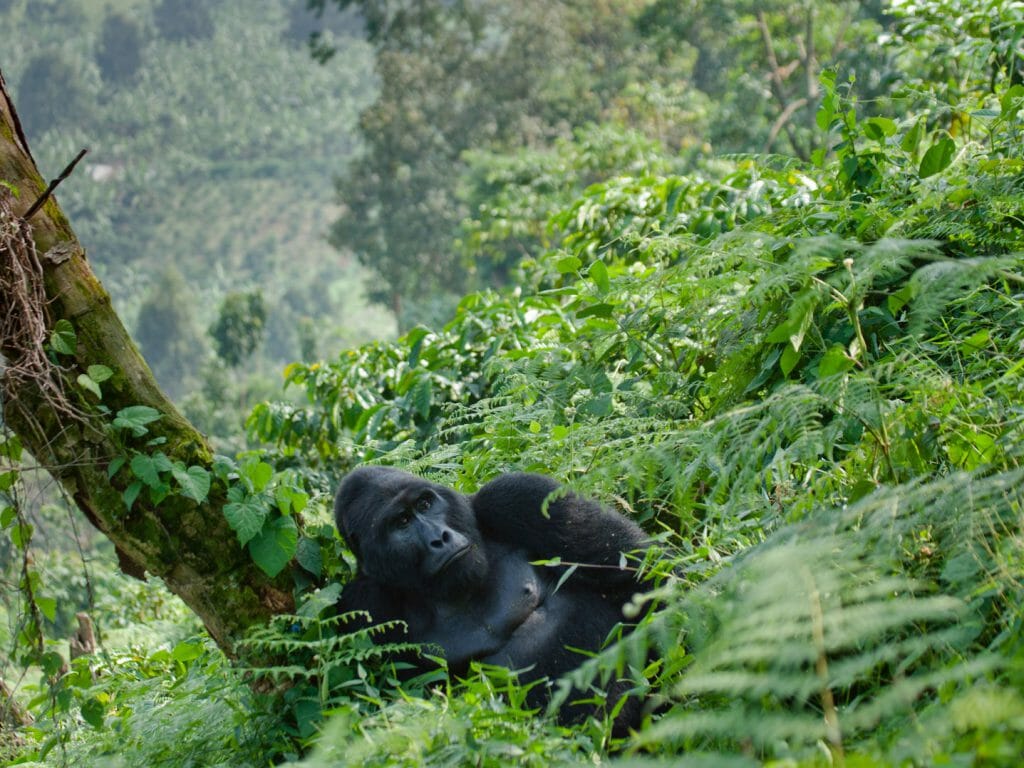
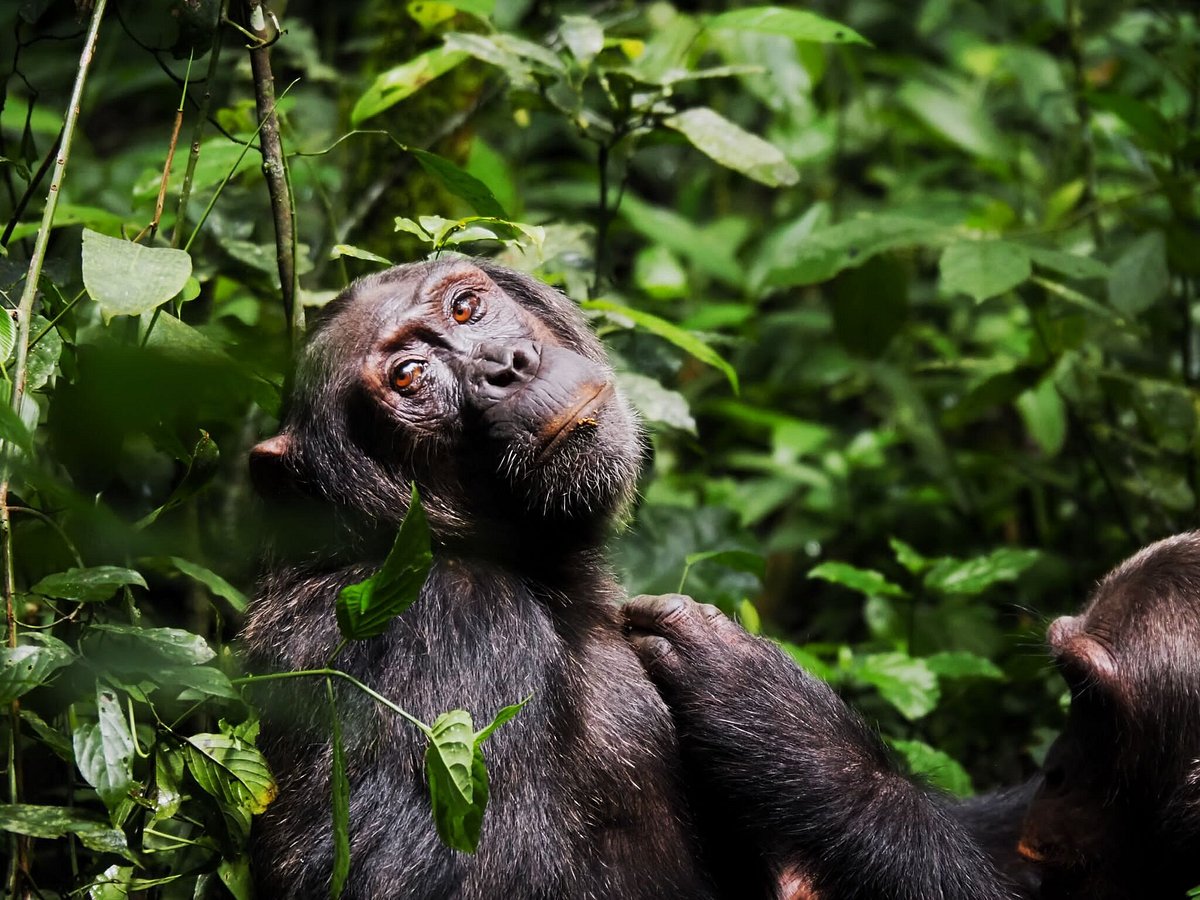
The main experience here is how to combine Uganda’s two major primate experiences without making the itinerary feel rushed. That focus should shape everything else: the number of nights, the lodge style, the order of parks, and the level of activity each day. A traveler who wants photography needs different timing from a family that wants relaxed mornings. A trekker needs different clothing and recovery time from a guest focused on boat cruises and short game drives.
Season matters, but it should not be treated as a single answer for every traveler. dry seasons for easier forest paths and reliable road movement is usually a strong choice for this journey, yet Uganda can be rewarding outside the classic dry months as well. Green-season travel can mean softer light, fewer vehicles, and lush landscapes. Dry-season travel can mean easier trails, more predictable road conditions, and better chances of seeing animals around water.
A good day on this itinerary starts early without feeling rushed. Morning light is useful for wildlife, birding, forest walks, and mountain scenery. Midday can be used for transfers, lodge rest, lunch, or a slower community visit. Late afternoon often brings cooler temperatures and better movement from animals. This rhythm sounds simple, but it is one of the details that separates a tiring trip from a well-guided safari.
For primate-focused travelers, the most common planning mistake is placing trekking days back to back without rest or scenic buffer stops. That mistake can affect budget, comfort, and the quality of the actual experience. A safari is not improved by adding every possible stop. It improves when each stop earns its place. The best itineraries give enough time to arrive, understand the landscape, enjoy the activity, and leave without feeling that the day was only a transfer.
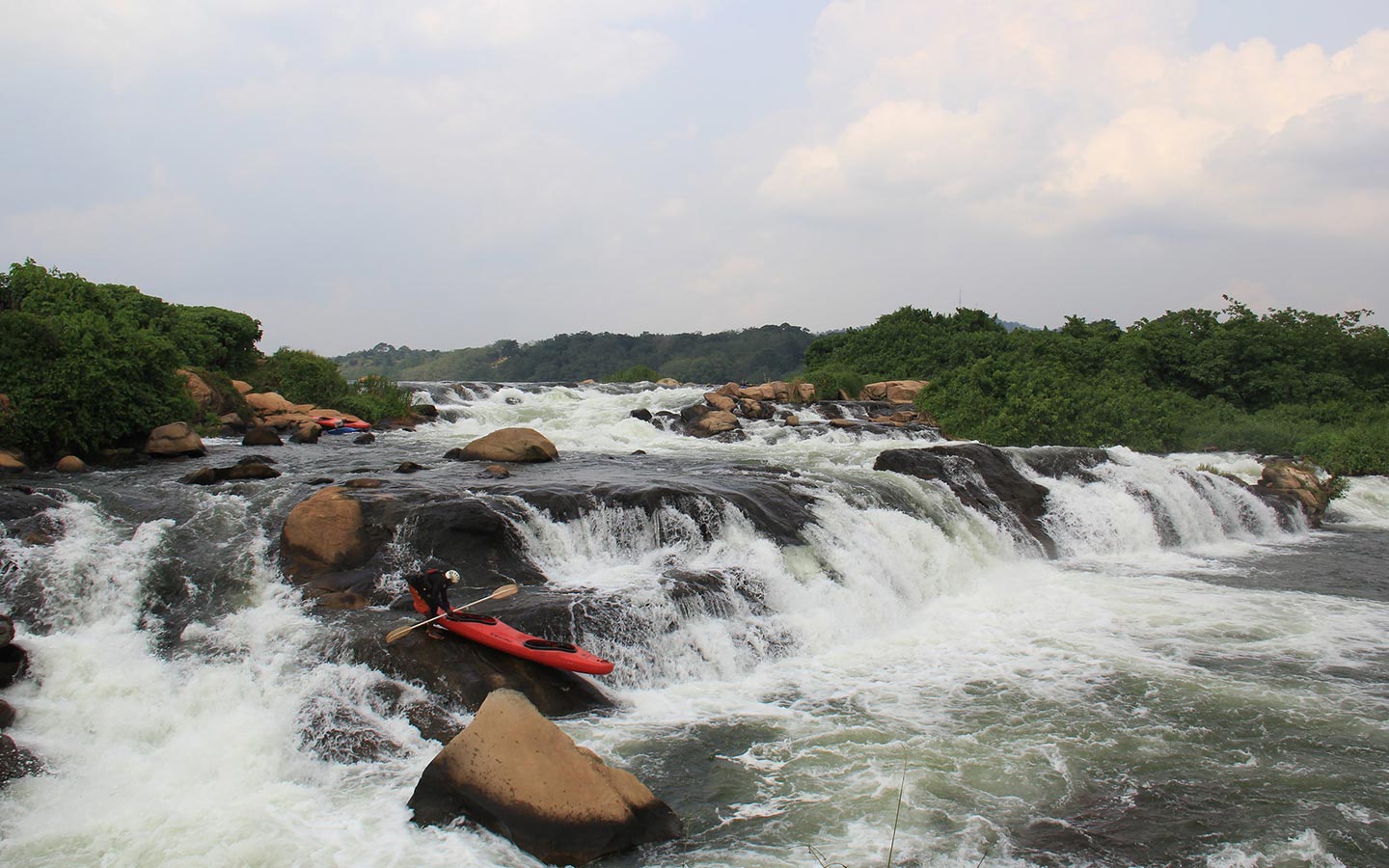
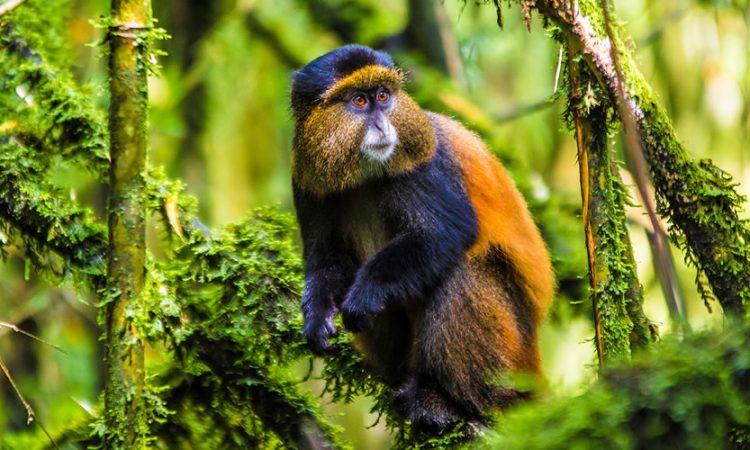
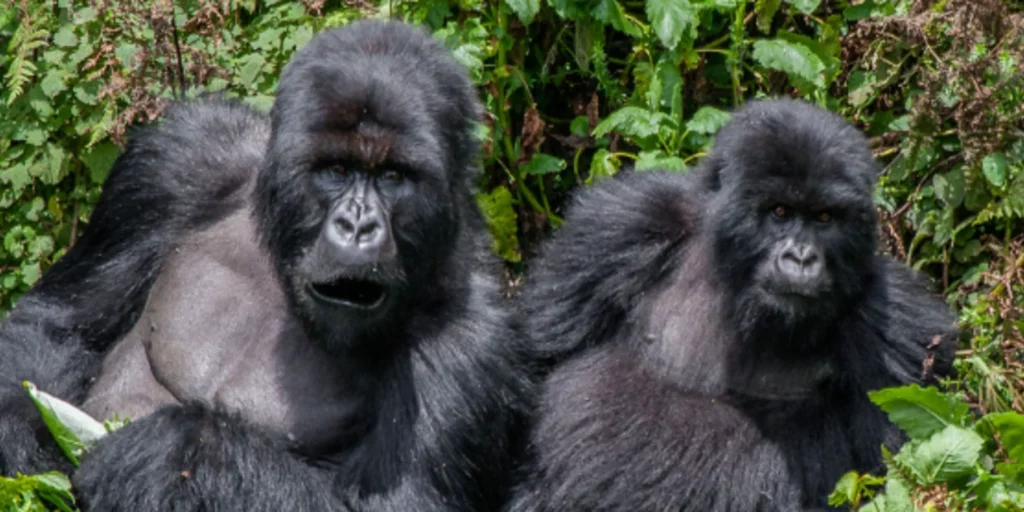
The core activities can include chimpanzee tracking, gorilla trekking, forest walks, boat safaris, and highland relaxation. Each one needs a little preparation. Forest activities require good shoes, rain protection, patience, and respect for ranger instructions. Boat safaris need sun protection and a camera ready for quick shoreline sightings. Game drives work best with flexible timing and a guide who understands animal behavior. Cultural visits are best when arranged through responsible local partners.
Accommodation should support the route rather than fight it. A beautiful lodge is less useful if it creates unnecessary backtracking or makes the next morning too tight. In Uganda, location often matters as much as room category. Staying close to the correct park gate, landing point, trekking sector, or boat departure can make the day calmer. It also gives guides more room to adjust if weather or road conditions change.
Budget planning should be honest from the beginning. Park fees, permits, vehicle costs, fuel, guiding, and lodge location can all change the final price. Cutting the wrong item may save money on paper but weaken the trip. It is usually better to simplify the route than to keep a long route with poor timing. A shorter safari with strong guiding can feel richer than a longer safari built from compromises.
Travelers should also think about the small details before arrival. Carry copies of key documents, use soft luggage where possible, pack layers, and leave space for dust, rain, and cool evenings. A reusable water bottle, insect repellent, personal medication, binoculars, and a light daypack are useful on almost every Uganda route. For treks, gloves and gaiters can make the forest far more comfortable.
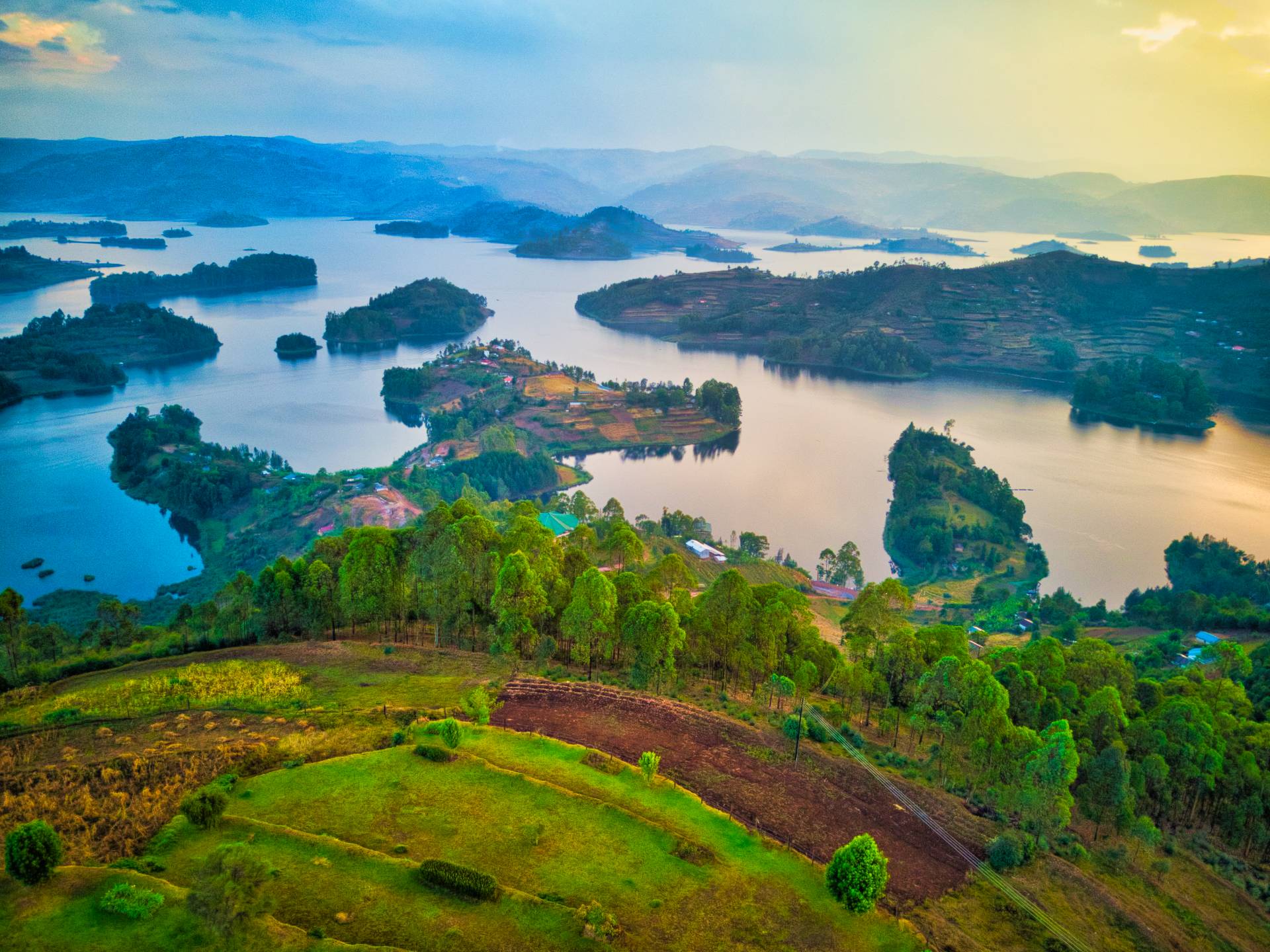
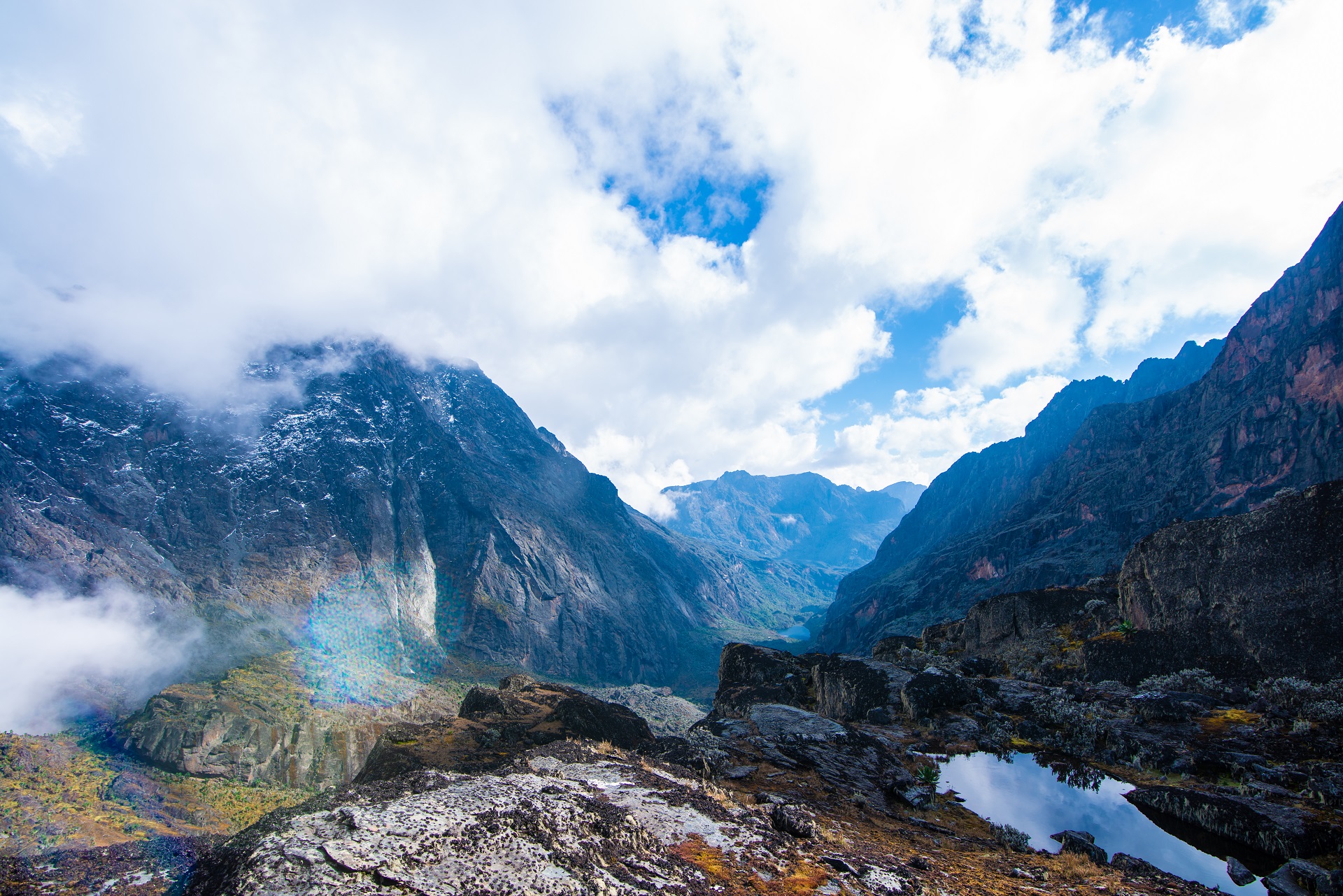
The deeper value of this journey is that it connects landscapes rather than treating them as separate checklist items. Uganda can move from papyrus wetlands to open savannah, crater lakes, rainforest, highland farms, volcanic slopes, and wide rivers in one trip. When the route is planned well, each place explains the next. The safari becomes easier to remember because it has a natural flow.
For Tvent Rwenzori Safaris guests, the strongest version of this trip is practical, personal, and carefully paced. The goal is not to rush through Uganda, but to help each traveler understand where they are and why the day matters. With the right guide, realistic timing, and a route shaped around how to combine Uganda’s two major primate experiences without making the itinerary feel rushed, this journey can feel both adventurous and well supported from arrival to departure.