
Uganda’s national parks are not copies of one another. Murchison Falls is built around the Nile, Queen Elizabeth around channels and crater landscapes, Bwindi around mountain gorillas, Kibale around chimpanzees, Kidepo around remote wilderness, and the Rwenzori around high-altitude trekking. This guide compares the major parks so travelers can choose the right safari instead of simply adding every famous name to one itinerary.
Decision chart
Which Uganda park fits your safari goal?
Use this chart to choose the right anchor park before adding extra stops.
First safari + Nile
Wildlife variety
Gorillas
Chimpanzees
Remote wilderness
| Park type | Best examples | Use it when |
|---|---|---|
| Big game and boat safari | Murchison, Queen Elizabeth | You want wildlife density and water-based viewing. |
| Forest primates | Bwindi, Kibale, Mgahinga | Gorillas, chimpanzees, or golden monkeys are the main reason to travel. |
| Mountains and hiking | Rwenzori, Mount Elgon | You want altitude, waterfalls, and slower trekking days. |
| Remote safari | Kidepo, Semuliki | You prefer specialist routes and fewer vehicles. |
This pillar guide is written for travelers comparing Uganda safari routes, not just collecting names of places. Each section explains where the experience fits, what makes it different, which animals or cultural encounters matter most, and why a traveler should choose it over another stop. Uganda is compact enough to combine forests, savannah, mountains, lakes, and communities in one trip, but it is varied enough that every day should have a clear purpose.
Use this guide as a planning foundation. The right route depends on season, permits, budget, fitness, photography goals, and whether the trip is built for first-time safari travelers, repeat Africa travelers, families, birders, hikers, or honeymooners. Tvent Rwenzori Safaris can turn these notes into a practical day-by-day itinerary with lodge levels, transfer times, activity timing, and realistic pacing.
Murchison Falls National Park
Location: Northwestern Uganda along the Victoria Nile, commonly reached by road from Kampala or Entebbe through Masindi.
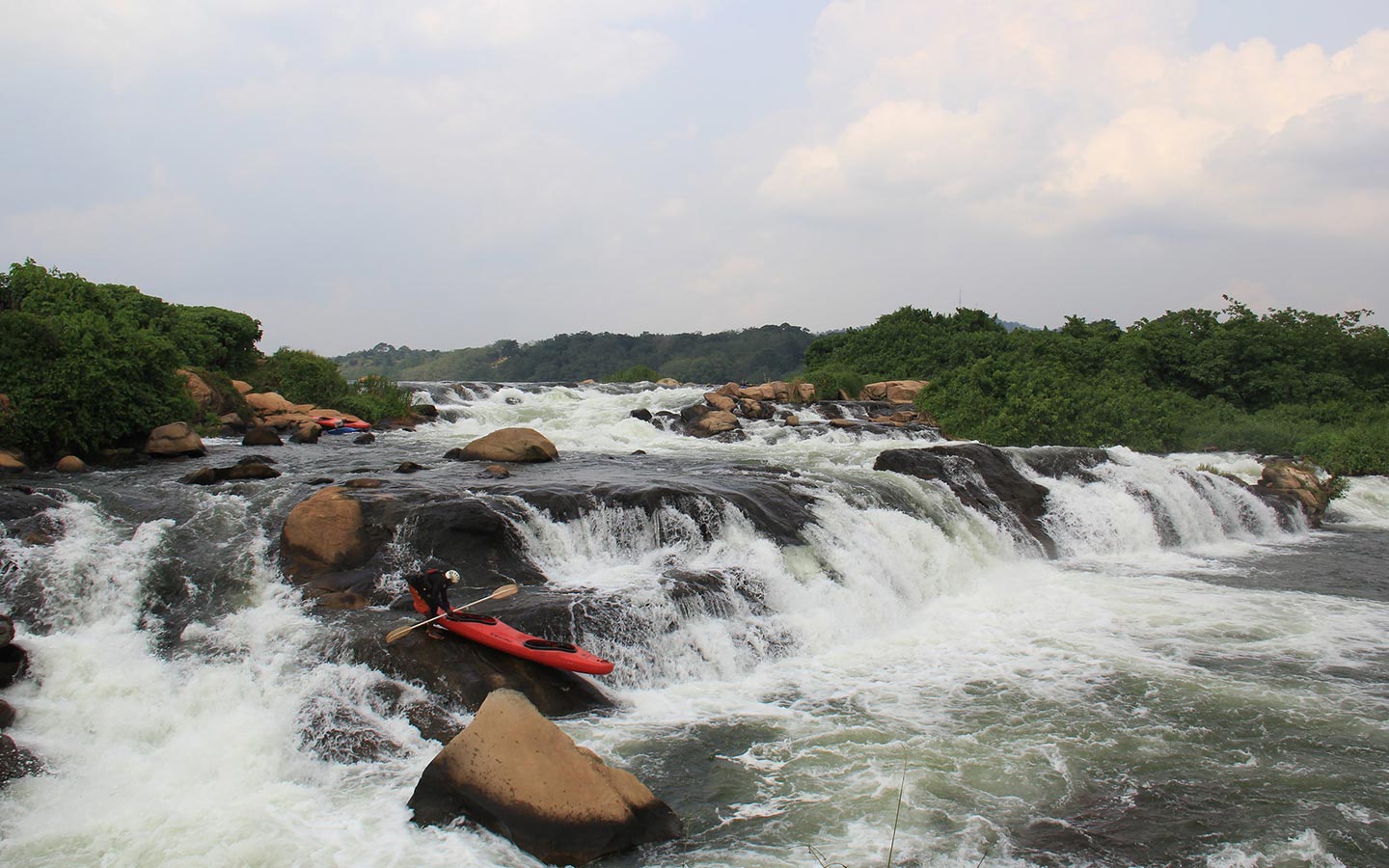
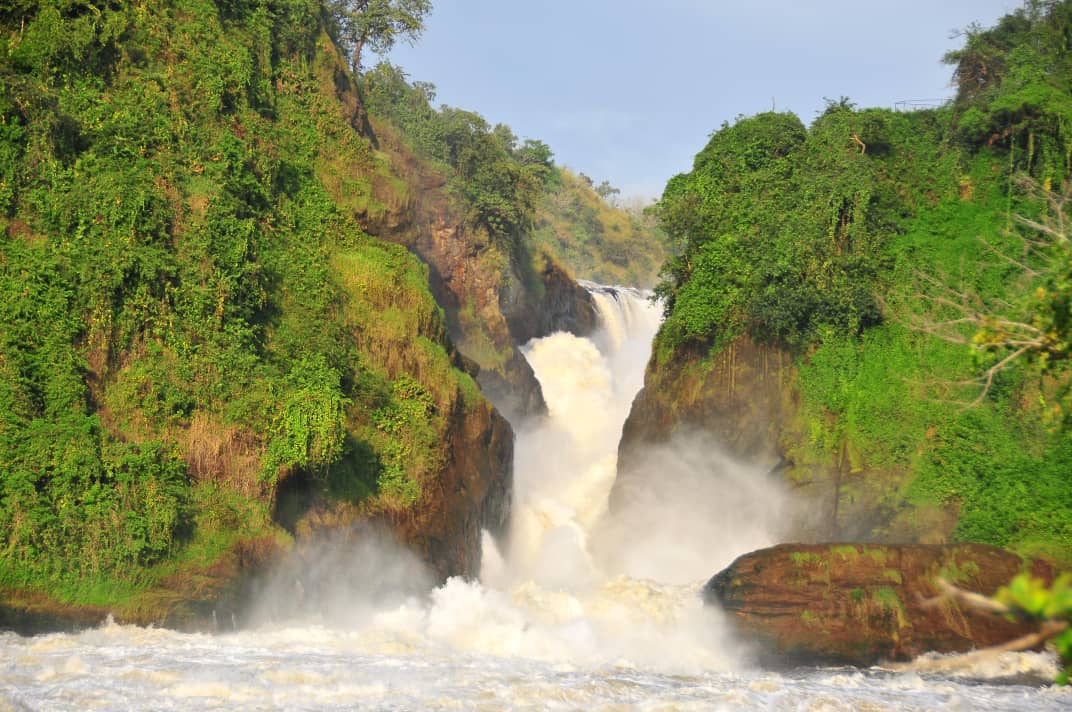
What makes it unique: The park combines Uganda’s largest protected savannah landscape with the Nile forcing through a narrow rock gap at Murchison Falls. Few parks in East Africa give travelers a powerful waterfall, river cruise, delta birding, and classic game drives in one compact route.
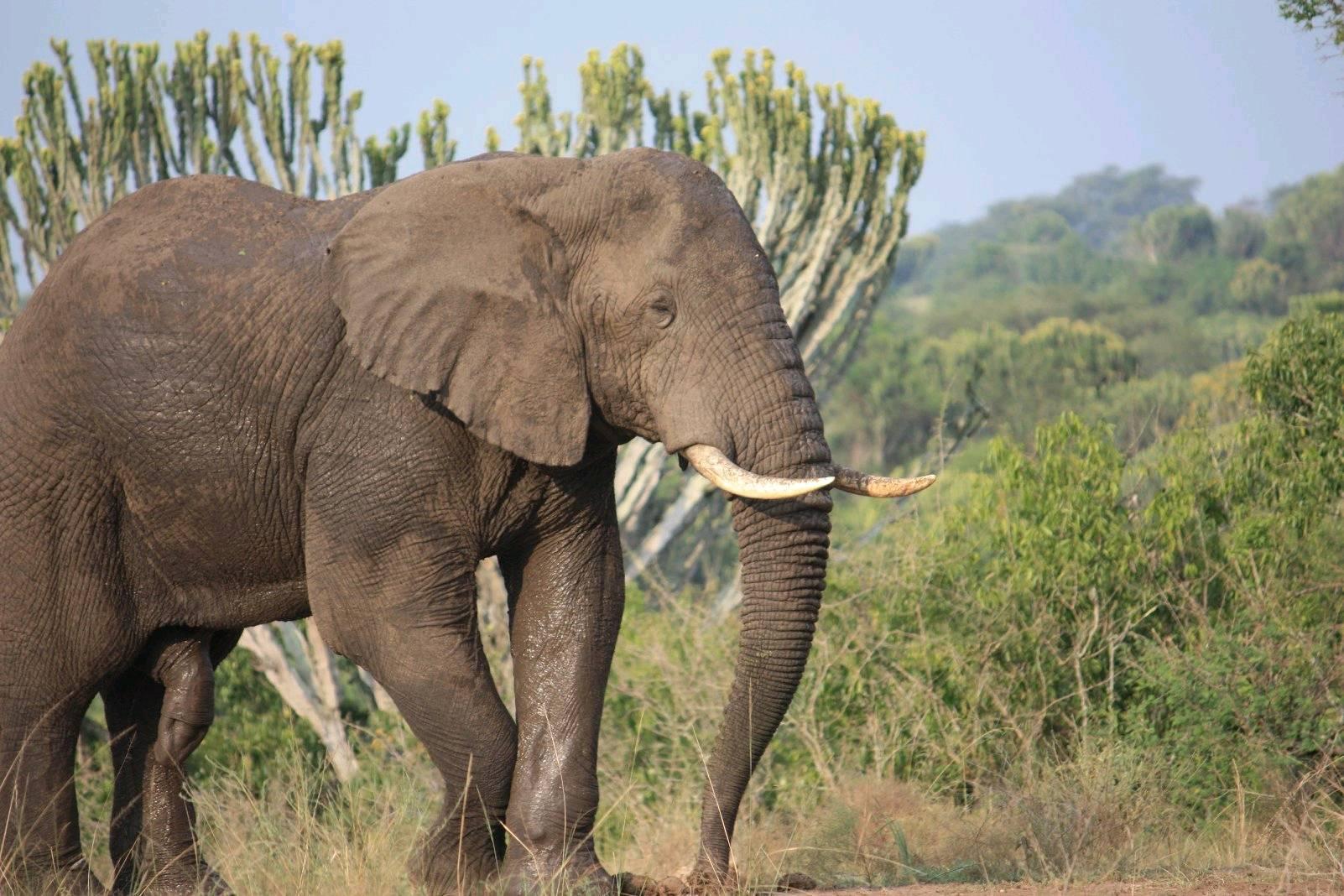
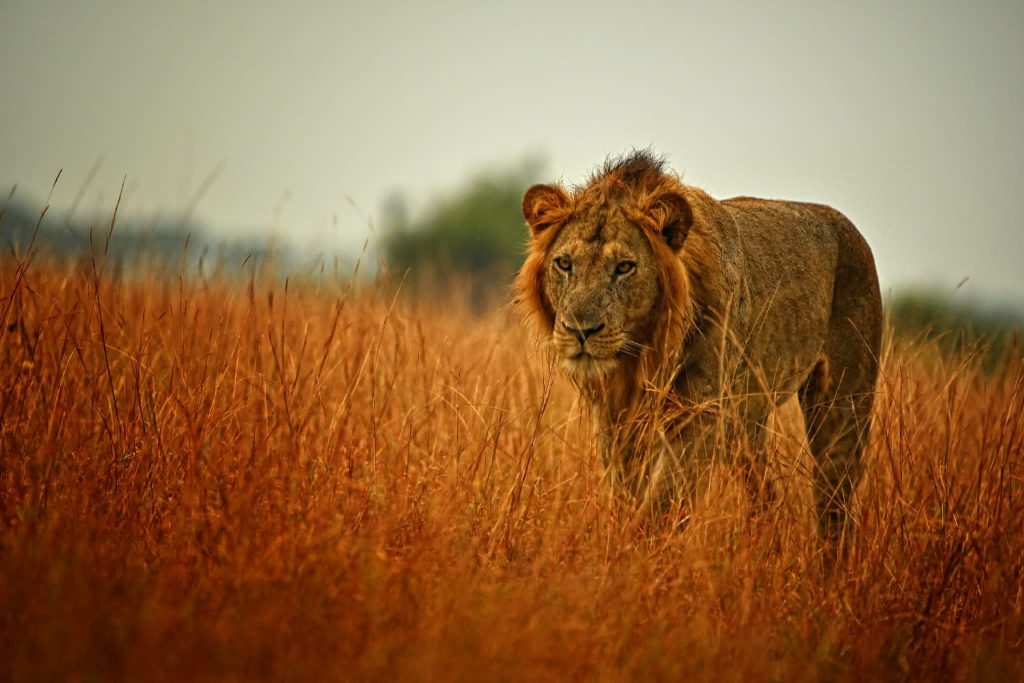
Wildlife and highlights: Elephants, buffaloes, giraffes, Uganda kobs, hartebeests, hippos, crocodiles, lions, leopards, hyenas, shoebill possibilities in the delta, and rich river birdlife.
Why visit: Visit Murchison when you want a first safari that feels complete: game drives, boat wildlife, waterfall drama, and a strong chance of varied sightings without needing a very long itinerary.
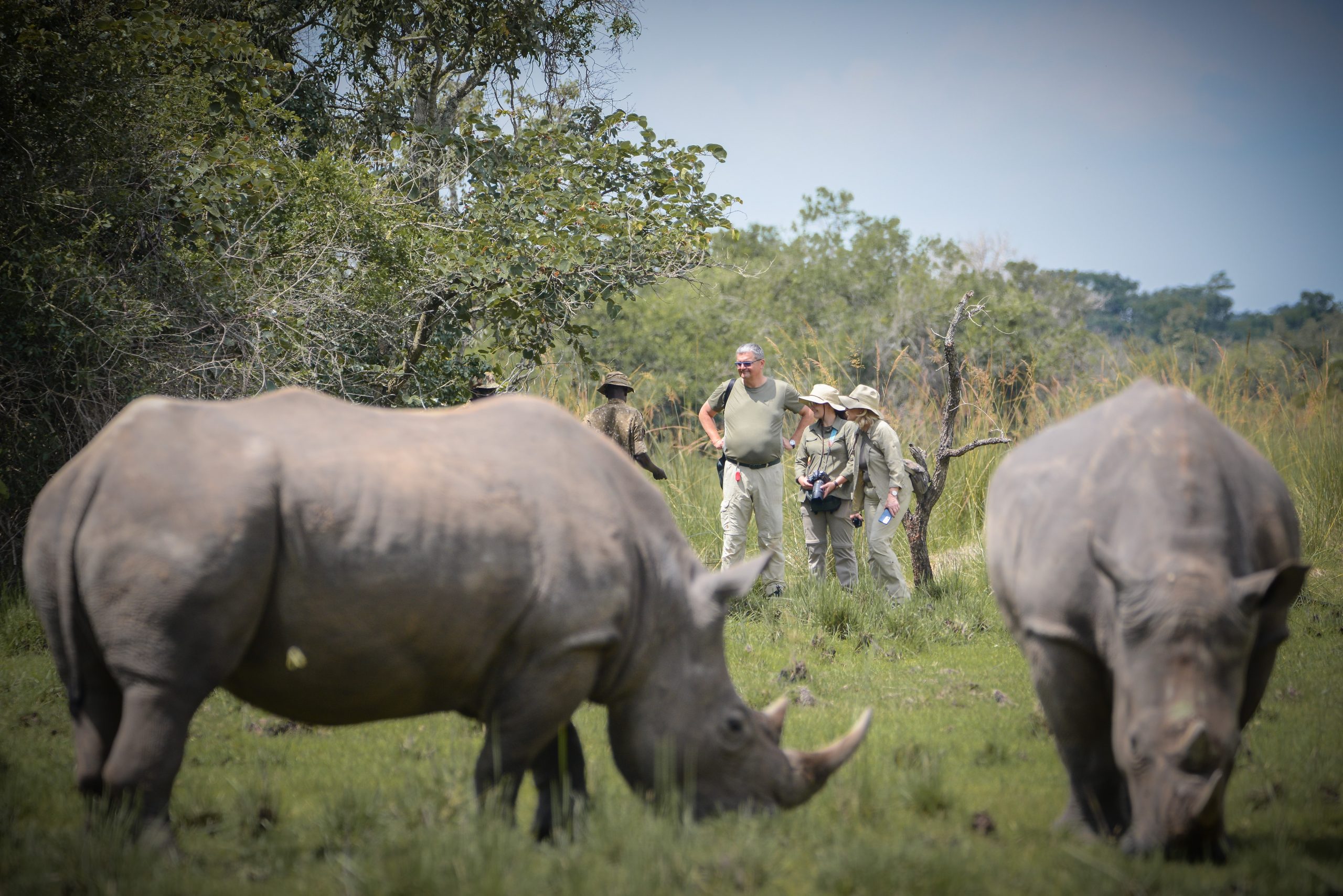
Planning notes: Three to four days works well. Add Ziwa Rhino Sanctuary en route if rhinos are important, and plan the boat cruise and Top of the Falls around the best available light.
For itinerary design, treat Murchison Falls National Park as part of a wider route rather than an isolated stop. The best safari plans balance driving time, lodge location, activity permits, and the time of day when wildlife is most active. A rushed visit can still show scenery, but a better visit allows early starts, slower photography time, and space for weather or road changes. Travelers should also consider how this stop connects to the next park, because Uganda rewards circuit planning more than point-to-point travel.
When comparing Murchison Falls National Park with other stops, focus on the quality of the day rather than the number of activities. A traveler may remember a quiet hour watching light move across the landscape more clearly than a crowded checklist. The strongest visits usually include a knowledgeable local guide, realistic start times, and a plan that leaves room for wildlife behavior, community interaction, weather, and road conditions. This is especially important in Uganda because forest, savannah, lake, mountain, and cultural days all move at different rhythms.
Queen Elizabeth National Park
Location: Western Uganda near Kasese, Lake Edward, Lake George, and the Rwenzori foothills.
What makes it unique: Queen Elizabeth is Uganda’s great connector park. It links naturally with Kibale and Bwindi while offering Kazinga Channel boat safaris, crater scenery, Kasenyi plains, Kyambura Gorge, and the Ishasha sector.
Wildlife and highlights: Elephants, buffaloes, hippos, crocodiles, Uganda kobs, warthogs, lions, leopards, hyenas, chimpanzees in Kyambura, and one of Uganda’s richest birding environments.
Why visit: Visit for variety. It is ideal when travelers want wildlife, water, crater landscapes, and a practical western circuit that can also include chimpanzees and gorillas.
Planning notes: Two to three days covers Kasenyi and Kazinga. Add Ishasha if tree-climbing lions are a priority, but avoid treating Ishasha as a quick detour because it deserves time.
For itinerary design, treat Queen Elizabeth National Park as part of a wider route rather than an isolated stop. The best safari plans balance driving time, lodge location, activity permits, and the time of day when wildlife is most active. A rushed visit can still show scenery, but a better visit allows early starts, slower photography time, and space for weather or road changes. Travelers should also consider how this stop connects to the next park, because Uganda rewards circuit planning more than point-to-point travel.
When comparing Queen Elizabeth National Park with other stops, focus on the quality of the day rather than the number of activities. A traveler may remember a quiet hour watching light move across the landscape more clearly than a crowded checklist. The strongest visits usually include a knowledgeable local guide, realistic start times, and a plan that leaves room for wildlife behavior, community interaction, weather, and road conditions. This is especially important in Uganda because forest, savannah, lake, mountain, and cultural days all move at different rhythms.
Bwindi Impenetrable National Park
Location: Southwestern Uganda in the Kigezi highlands, divided into trekking sectors including Buhoma, Ruhija, Rushaga, and Nkuringo.
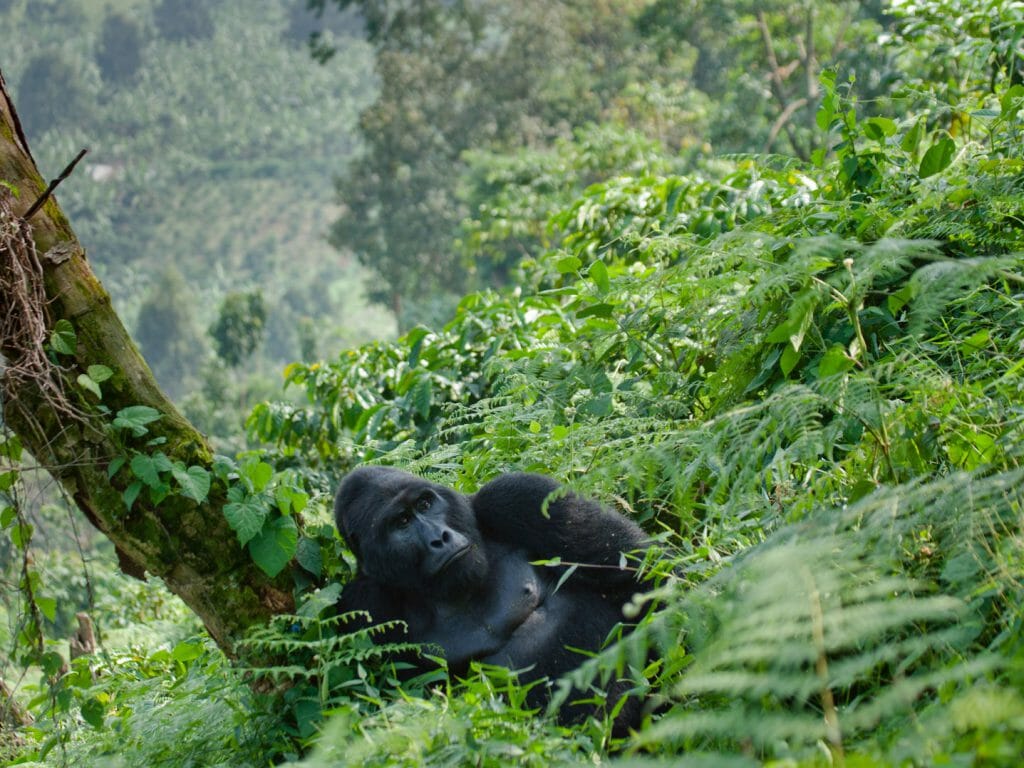
What makes it unique: Bwindi is the country’s flagship gorilla trekking forest. Its steep ridges, old rainforest, mist, and community setting create a very different safari mood from vehicle-based savannah parks.
Wildlife and highlights: Mountain gorillas are the headline, with forest elephants, duikers, black-and-white colobus monkeys, red-tailed monkeys, blue monkeys, butterflies, and Albertine Rift birds.
Why visit: Visit for a life-list primate encounter and for the emotional contrast between quiet forest trekking and Uganda’s open savannah parks.
Planning notes: Gorilla permits determine the route. Choose lodge and sector together, carry rain gear, use a porter, and allow at least three days for arrival, trekking, and onward travel.
For itinerary design, treat Bwindi Impenetrable National Park as part of a wider route rather than an isolated stop. The best safari plans balance driving time, lodge location, activity permits, and the time of day when wildlife is most active. A rushed visit can still show scenery, but a better visit allows early starts, slower photography time, and space for weather or road changes. Travelers should also consider how this stop connects to the next park, because Uganda rewards circuit planning more than point-to-point travel.
When comparing Bwindi Impenetrable National Park with other stops, focus on the quality of the day rather than the number of activities. A traveler may remember a quiet hour watching light move across the landscape more clearly than a crowded checklist. The strongest visits usually include a knowledgeable local guide, realistic start times, and a plan that leaves room for wildlife behavior, community interaction, weather, and road conditions. This is especially important in Uganda because forest, savannah, lake, mountain, and cultural days all move at different rhythms.
Kibale National Park
Location: Western Uganda near Fort Portal, crater lakes, Bigodi Wetland, and the road connection to Queen Elizabeth National Park.
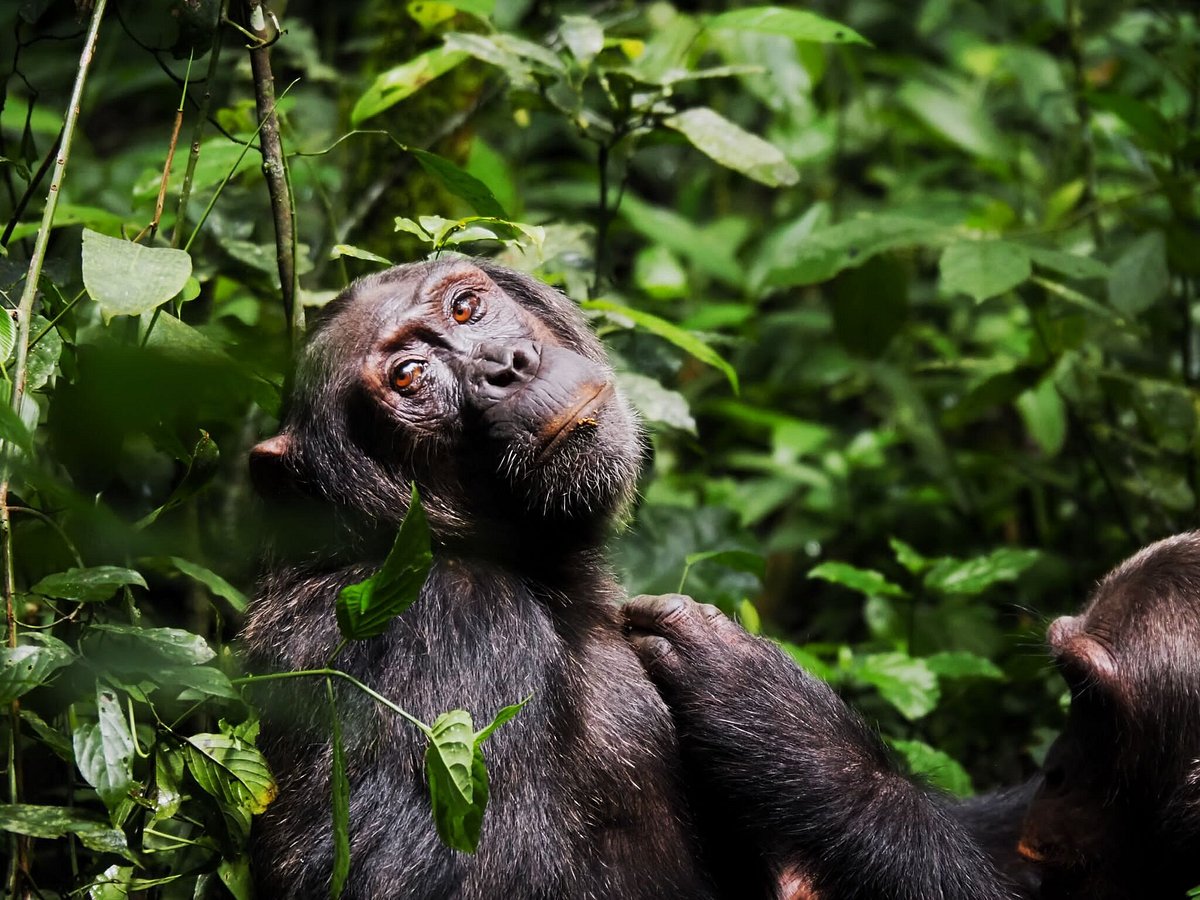
What makes it unique: Kibale is Uganda’s leading chimpanzee tracking forest and one of the best places to understand the country’s primate diversity.
Wildlife and highlights: Chimpanzees, red colobus, black-and-white colobus, red-tailed monkeys, blue monkeys, grey-cheeked mangabeys, forest birds, butterflies, and occasional forest mammals.
Why visit: Visit when chimpanzee tracking is a priority or when the safari needs a forest experience before or after savannah wildlife.
Planning notes: Two nights is the usual minimum. Add Bigodi Wetland for community-guided birding and primates, and build the day around official tracking times.
For itinerary design, treat Kibale National Park as part of a wider route rather than an isolated stop. The best safari plans balance driving time, lodge location, activity permits, and the time of day when wildlife is most active. A rushed visit can still show scenery, but a better visit allows early starts, slower photography time, and space for weather or road changes. Travelers should also consider how this stop connects to the next park, because Uganda rewards circuit planning more than point-to-point travel.
When comparing Kibale National Park with other stops, focus on the quality of the day rather than the number of activities. A traveler may remember a quiet hour watching light move across the landscape more clearly than a crowded checklist. The strongest visits usually include a knowledgeable local guide, realistic start times, and a plan that leaves room for wildlife behavior, community interaction, weather, and road conditions. This is especially important in Uganda because forest, savannah, lake, mountain, and cultural days all move at different rhythms.
Kidepo Valley National Park
Location: Remote northeastern Uganda in the Karamoja region near the borders with South Sudan and Kenya.
What makes it unique: Kidepo is Uganda’s wilderness park: wide valleys, rugged mountains, low visitor density, and a feeling of space that is hard to match elsewhere in the country.
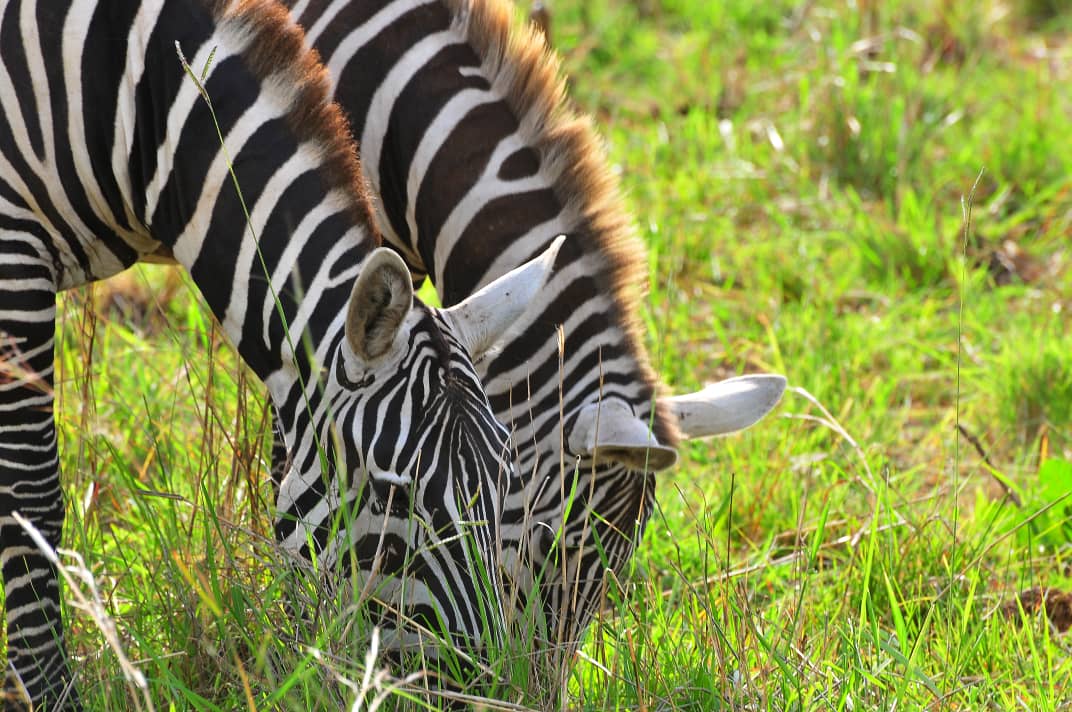
Wildlife and highlights: Buffalo herds, elephants, giraffes, zebras, lions, leopards, hyenas, cheetah possibilities, ostriches, and dry-country birdlife. Recent rhino reintroduction adds new conservation significance.
Why visit: Visit if you want a wilder, less crowded safari and are willing to invest more time or fly in for remoteness and atmosphere.
Planning notes: Road trips need careful pacing; fly-in trips save time. Combine with Karamojong cultural visits only when they are arranged respectfully through local guides.
For itinerary design, treat Kidepo Valley National Park as part of a wider route rather than an isolated stop. The best safari plans balance driving time, lodge location, activity permits, and the time of day when wildlife is most active. A rushed visit can still show scenery, but a better visit allows early starts, slower photography time, and space for weather or road changes. Travelers should also consider how this stop connects to the next park, because Uganda rewards circuit planning more than point-to-point travel.
When comparing Kidepo Valley National Park with other stops, focus on the quality of the day rather than the number of activities. A traveler may remember a quiet hour watching light move across the landscape more clearly than a crowded checklist. The strongest visits usually include a knowledgeable local guide, realistic start times, and a plan that leaves room for wildlife behavior, community interaction, weather, and road conditions. This is especially important in Uganda because forest, savannah, lake, mountain, and cultural days all move at different rhythms.
Lake Mburo National Park
Location: Western Uganda between Kampala and the southwest safari circuit.
What makes it unique: Lake Mburo is compact, accessible, and different from the larger big-game parks because it supports activities such as walking safaris, cycling, horseback options, and lake-based wildlife viewing.
Wildlife and highlights: Zebras, impalas, elands, topis, buffaloes, hippos, crocodiles, waterbucks, bushbucks, warthogs, leopards, and abundant acacia-country birds.
Why visit: Visit as a gentle introduction or final safari stop, especially for travelers driving between Entebbe and Bwindi or Queen Elizabeth.
Planning notes: One to two nights works well. It is best for active travelers, families, and those who want wildlife without a heavy transfer day.
For itinerary design, treat Lake Mburo National Park as part of a wider route rather than an isolated stop. The best safari plans balance driving time, lodge location, activity permits, and the time of day when wildlife is most active. A rushed visit can still show scenery, but a better visit allows early starts, slower photography time, and space for weather or road changes. Travelers should also consider how this stop connects to the next park, because Uganda rewards circuit planning more than point-to-point travel.
When comparing Lake Mburo National Park with other stops, focus on the quality of the day rather than the number of activities. A traveler may remember a quiet hour watching light move across the landscape more clearly than a crowded checklist. The strongest visits usually include a knowledgeable local guide, realistic start times, and a plan that leaves room for wildlife behavior, community interaction, weather, and road conditions. This is especially important in Uganda because forest, savannah, lake, mountain, and cultural days all move at different rhythms.
Mgahinga Gorilla National Park
Location: Far southwestern Uganda in the Virunga volcanic landscape near Kisoro.
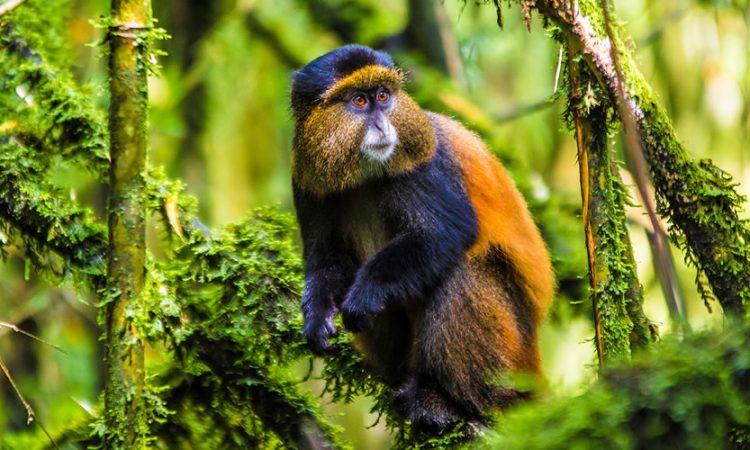
What makes it unique: Mgahinga is small but dramatic, combining gorilla trekking, golden monkey tracking, volcanic scenery, and Batwa cultural history.
Wildlife and highlights: Mountain gorillas, golden monkeys, forest birds, and montane species connected to the Virunga ecosystem.
Why visit: Visit when you want a gorilla route with volcano views or want to pair gorillas with golden monkeys and highland scenery.
Planning notes: Pair with Lake Bunyonyi, Bwindi, or Rwanda-border routing. Fitness matters because highland terrain and altitude can affect pacing.
For itinerary design, treat Mgahinga Gorilla National Park as part of a wider route rather than an isolated stop. The best safari plans balance driving time, lodge location, activity permits, and the time of day when wildlife is most active. A rushed visit can still show scenery, but a better visit allows early starts, slower photography time, and space for weather or road changes. Travelers should also consider how this stop connects to the next park, because Uganda rewards circuit planning more than point-to-point travel.
When comparing Mgahinga Gorilla National Park with other stops, focus on the quality of the day rather than the number of activities. A traveler may remember a quiet hour watching light move across the landscape more clearly than a crowded checklist. The strongest visits usually include a knowledgeable local guide, realistic start times, and a plan that leaves room for wildlife behavior, community interaction, weather, and road conditions. This is especially important in Uganda because forest, savannah, lake, mountain, and cultural days all move at different rhythms.
Rwenzori Mountains National Park
Location: Western Uganda along the border with the Democratic Republic of Congo, near Kasese and the Queen Elizabeth route.
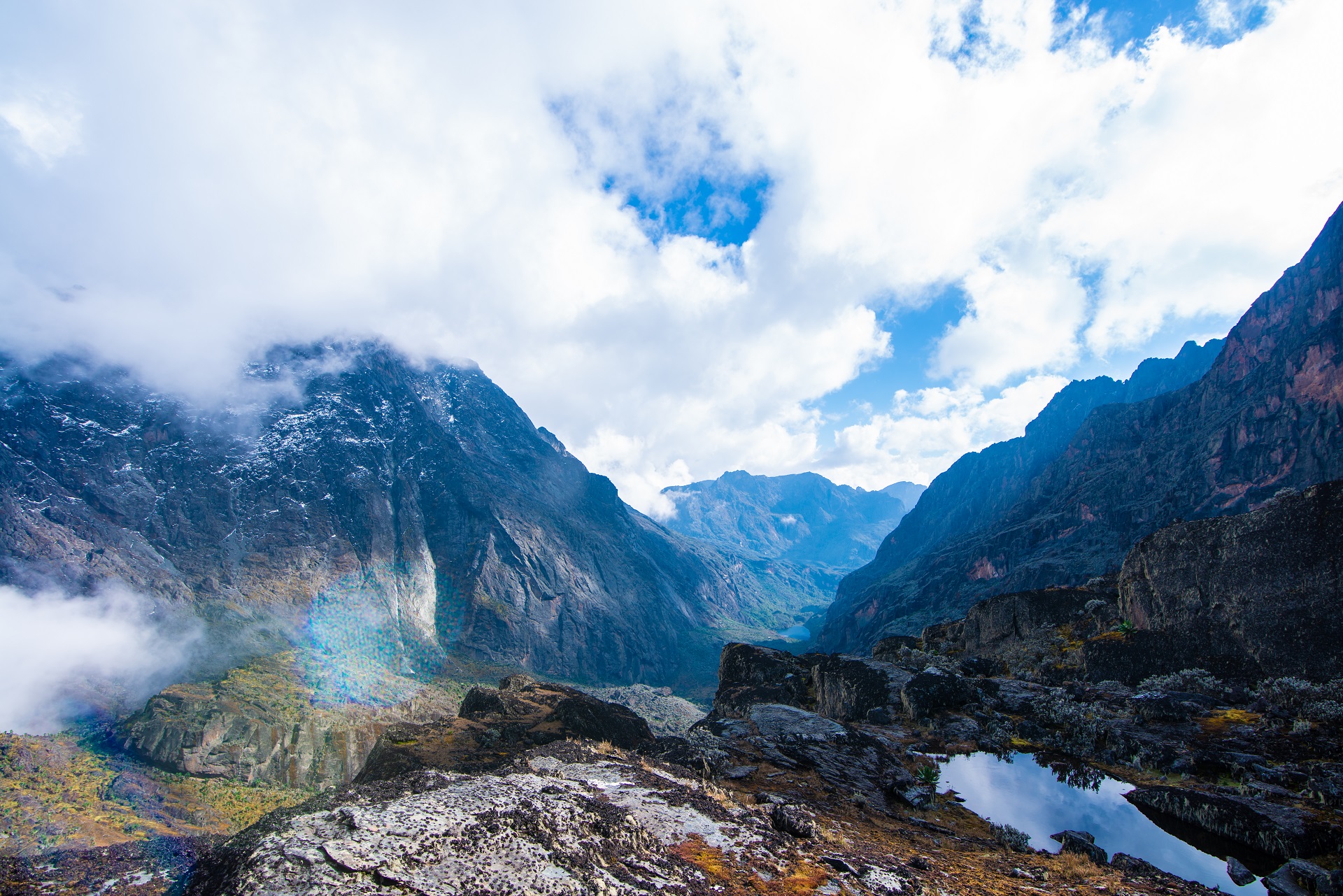
What makes it unique: The Rwenzori Mountains offer alpine Uganda: glaciers, giant heathers, bogs, waterfalls, and multi-day trekking in the Mountains of the Moon.
Wildlife and highlights: Rwenzori turacos, forest birds, chameleons, primates in lower forest zones, and rare high-altitude plant communities.
Why visit: Visit for serious hiking, mountain scenery, and a safari that goes beyond standard wildlife viewing.
Planning notes: Short nature walks are possible, but summit and high-altitude routes need specialist planning, equipment, porter support, and realistic acclimatization.
For itinerary design, treat Rwenzori Mountains National Park as part of a wider route rather than an isolated stop. The best safari plans balance driving time, lodge location, activity permits, and the time of day when wildlife is most active. A rushed visit can still show scenery, but a better visit allows early starts, slower photography time, and space for weather or road changes. Travelers should also consider how this stop connects to the next park, because Uganda rewards circuit planning more than point-to-point travel.
When comparing Rwenzori Mountains National Park with other stops, focus on the quality of the day rather than the number of activities. A traveler may remember a quiet hour watching light move across the landscape more clearly than a crowded checklist. The strongest visits usually include a knowledgeable local guide, realistic start times, and a plan that leaves room for wildlife behavior, community interaction, weather, and road conditions. This is especially important in Uganda because forest, savannah, lake, mountain, and cultural days all move at different rhythms.
Mount Elgon National Park
Location: Eastern Uganda near Mbale, Sipi Falls, and the Kenya border.
What makes it unique: Mount Elgon is an extinct volcanic massif known for caves, waterfalls, highland farming communities, and less crowded trekking than the Rwenzori.
Wildlife and highlights: Forest monkeys, antelope, elephants in broader ecosystems, montane birds, butterflies, and cave-associated wildlife signs.
Why visit: Visit for scenic hiking, Sipi Falls, coffee experiences, and a softer mountain route with cultural depth.
Planning notes: Use it as an eastern Uganda extension. Combine hikes with coffee tours and allow time for weather changes around Sipi.
For itinerary design, treat Mount Elgon National Park as part of a wider route rather than an isolated stop. The best safari plans balance driving time, lodge location, activity permits, and the time of day when wildlife is most active. A rushed visit can still show scenery, but a better visit allows early starts, slower photography time, and space for weather or road changes. Travelers should also consider how this stop connects to the next park, because Uganda rewards circuit planning more than point-to-point travel.
When comparing Mount Elgon National Park with other stops, focus on the quality of the day rather than the number of activities. A traveler may remember a quiet hour watching light move across the landscape more clearly than a crowded checklist. The strongest visits usually include a knowledgeable local guide, realistic start times, and a plan that leaves room for wildlife behavior, community interaction, weather, and road conditions. This is especially important in Uganda because forest, savannah, lake, mountain, and cultural days all move at different rhythms.
Semuliki National Park
Location: Western Uganda in the Albertine Rift near Fort Portal and the Semuliki Valley.
What makes it unique: Semuliki protects a lowland forest ecosystem with Central African character, hot springs, and excellent birding.
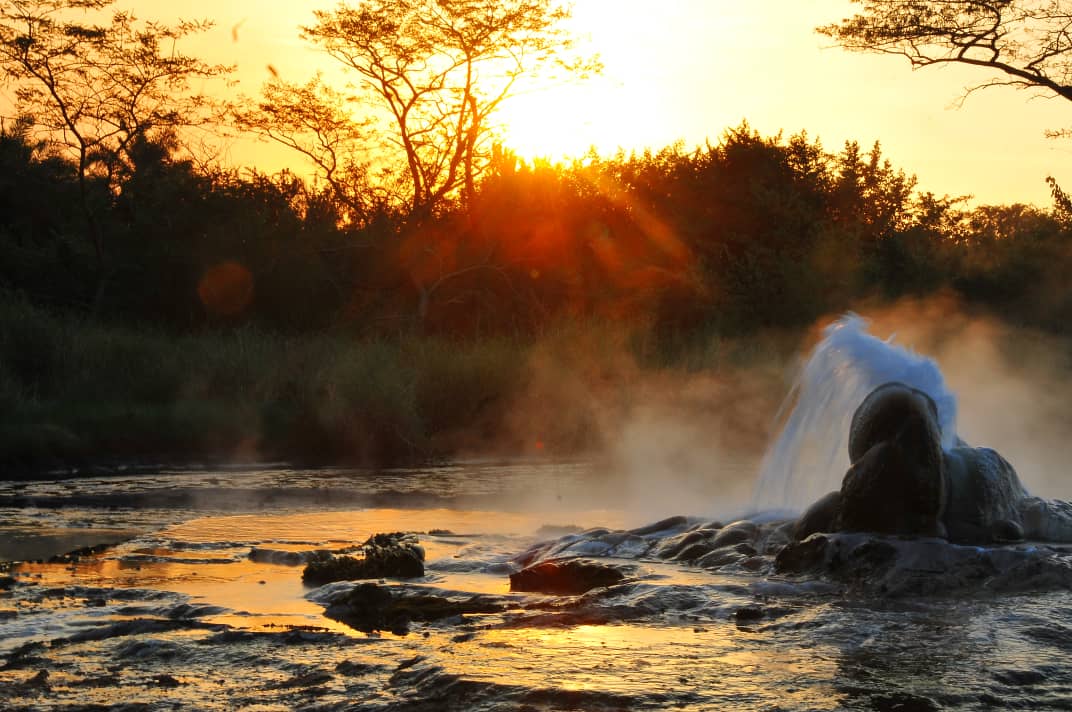
Wildlife and highlights: Forest birds, hornbills, primates, butterflies, forest mammals, and the Sempaya hot springs as the signature non-wildlife attraction.
Why visit: Visit for specialist birding, unusual forest atmosphere, and an off-mainstream addition to Fort Portal or Kibale routes.
Planning notes: It works best for travelers with specific interests rather than rushed first-time itineraries. Birders should start early and use local expertise.
For itinerary design, treat Semuliki National Park as part of a wider route rather than an isolated stop. The best safari plans balance driving time, lodge location, activity permits, and the time of day when wildlife is most active. A rushed visit can still show scenery, but a better visit allows early starts, slower photography time, and space for weather or road changes. Travelers should also consider how this stop connects to the next park, because Uganda rewards circuit planning more than point-to-point travel.
When comparing Semuliki National Park with other stops, focus on the quality of the day rather than the number of activities. A traveler may remember a quiet hour watching light move across the landscape more clearly than a crowded checklist. The strongest visits usually include a knowledgeable local guide, realistic start times, and a plan that leaves room for wildlife behavior, community interaction, weather, and road conditions. This is especially important in Uganda because forest, savannah, lake, mountain, and cultural days all move at different rhythms.
How to choose the right route
A strong Uganda itinerary starts by choosing the main reason for travel. If the goal is iconic wildlife, prioritize Murchison Falls, Queen Elizabeth, Kidepo Valley, and Lake Mburo. If the goal is primates, anchor the trip around Bwindi, Mgahinga, and Kibale. If scenery and hiking matter most, add Rwenzori, Mount Elgon, crater lakes, Sipi Falls, or Lake Bunyonyi. If culture matters, build time around communities instead of squeezing them into short roadside stops.
Travelers should also avoid judging parks only by famous animals. A lion sighting is memorable, but route quality comes from the whole day: sunrise over savannah, a boat channel full of hippos, a forest walk with turacos calling overhead, a lodge with a good view, and a guide who knows when to wait quietly. The best safaris are not assembled from a checklist; they are paced around moments.
Best time, pacing, and season notes
Uganda can be visited throughout the year, but the best month depends on the activity. Drier months often make forest trails easier and improve road conditions in savannah parks. Green months can bring dramatic landscapes, fewer travelers, clearer birding interest, and softer photography light. Gorilla and chimpanzee tracking continue across seasons, but footwear, rain protection, and patience matter more in wetter periods. Boat safaris and wetlands can be excellent at different times of year because water levels, nesting behavior, and animal movement change the rhythm of the day.
Pacing is the part of safari planning that travelers underestimate most. A map can make two parks look close, but road conditions, park gates, ferry schedules, briefing times, and lodge locations can change the real experience. A good itinerary protects the important hours: early morning for game drives, official briefing time for primates, afternoon light for photography, and enough daylight for arrivals. It also avoids placing a demanding trek immediately after a late transfer unless the traveler specifically wants a harder expedition style.
Accommodation and guide strategy
Lodge choice should follow the route, not the other way around. In gorilla country, the correct sector matters more than a famous lodge name far from the briefing point. In savannah parks, a lodge inside or near the right gate can save early-morning time. In cultural regions, locally connected accommodation can improve access to community guides. In mountain areas, simple but well-positioned bases may be better than stylish properties that add driving. The guide strategy is equally important: specialist birding, primate, photography, family, and hiking trips all benefit from different guiding strengths.
For Tvent Rwenzori Safaris, the practical goal is to make the route feel smooth on the ground. That means confirming permits, checking road logic, matching vehicle type to terrain, preparing travelers for activity difficulty, and keeping communication clear. A good safari should not feel improvised once the guest arrives, even though the best wildlife moments are naturally unpredictable.
The best Uganda safari does not need every park. It needs the right combination for the traveler. First-time visitors often do best with Murchison, Kibale, Queen Elizabeth, Bwindi, and Lake Mburo. Repeat travelers should look harder at Kidepo, Semuliki, Mount Elgon, and the Rwenzori. Primate-focused travelers should plan around permits first, while photographers should plan around light, lodge position, and time in each landscape.
Sources used for factual orientation: Uganda Wildlife Authority national parks and activity guidance, Uganda Wildlife Authority gorilla and chimpanzee tracking guidelines, and Kabale District Local Government Batwa cultural information.