
Gorilla Trekking in Uganda
A complete guide to trekking mountain gorillas in Uganda’s two gorilla parks: Bwindi Impenetrable National Park and Mgahinga Gorilla National Park.
Overview
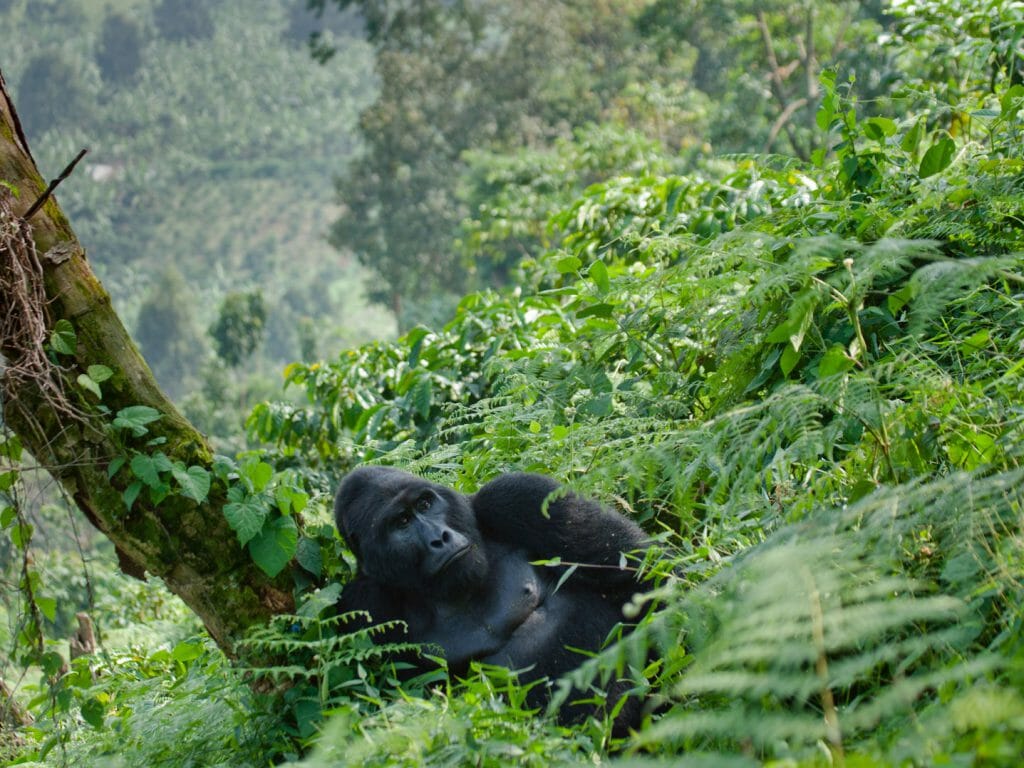
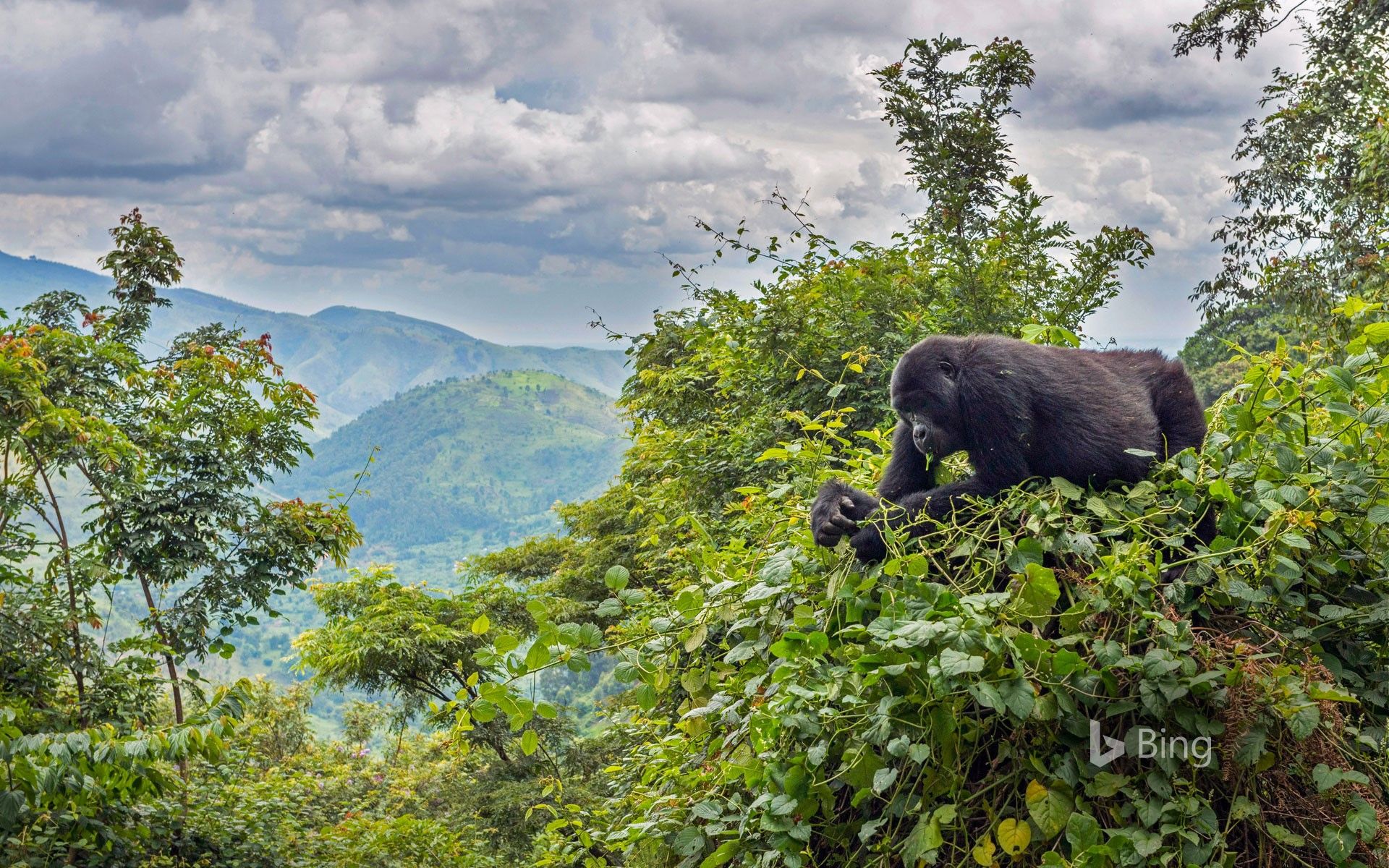
Gorilla trekking in Uganda is not only a Bwindi experience. Uganda has two protected areas where travelers can track mountain gorillas: Bwindi Impenetrable National Park and Mgahinga Gorilla National Park. Both are in the southwest, both are managed through Uganda Wildlife Authority systems, and both require confirmed gorilla permits before the safari is finalized.
Bwindi is the larger and more established gorilla trekking destination, with four trekking sectors and many lodge choices. Mgahinga is smaller, volcanic and dramatic, with trekking from the Ntebeko area near Kisoro. The best choice depends on permit availability, route, fitness level, lodge style, travel dates and whether the safari is also combining golden monkeys, Lake Mutanda, Lake Bunyonyi, Queen Elizabeth, Kibale or Rwanda.
Where Gorilla Trekking Happens in Uganda
Uganda’s gorilla trekking is concentrated in the far southwest. Bwindi protects a large, rugged montane forest, while Mgahinga sits on the Ugandan side of the Virunga volcano landscape near the borders with Rwanda and the Democratic Republic of Congo.
Bwindi Gorilla Trekking Sectors
Bwindi permits are sector-based, so the lodge and route must match the permit location. A good itinerary starts by checking the permit sector before choosing accommodation.
Mgahinga Gorilla National Park
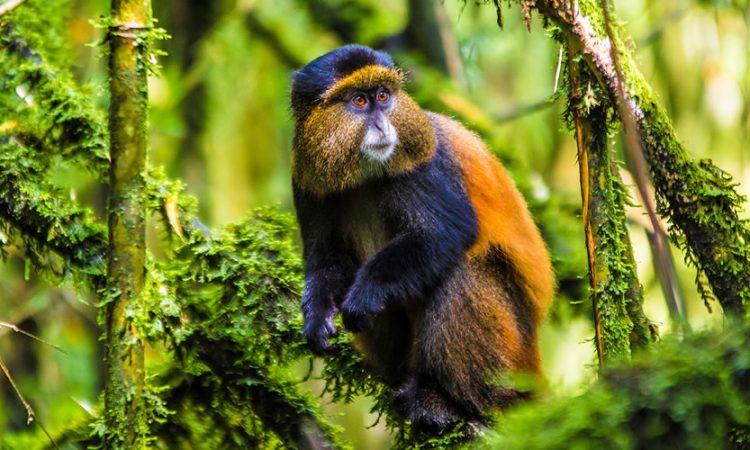
Mgahinga gives Uganda gorilla trekking a different character. The park is smaller than Bwindi, sits high in the Virunga landscape, and is strongly associated with volcanic scenery, golden monkey tracking and Batwa cultural history. Treks usually start around the Ntebeko visitor area, with Kisoro town and Lake Mutanda commonly used as bases.
Mgahinga fits travelers who want a southern Uganda route, a shorter transfer from Kisoro, a strong golden monkey add-on, or a safari that connects easily with Rwanda. It is also a useful alternative when Bwindi permits or lodge space do not match the dates.
How the Trekking Day Works
Choosing the Best Uganda Gorilla Route
There is no single best route for every traveler. The right route depends on arrival airport, trip length, permit sector, comfort level and the other parks you want to include.
Permits, Fitness and Trekking Rules
A gorilla permit is required before trekking. The permit is tied to a date and location, so the itinerary should not be treated as confirmed until the permit has been checked against the route and lodge plan.
Travelers should be at least 15 years old. Anyone who is sick should not trek because mountain gorillas are vulnerable to human illness. Porters are highly recommended because they help with bags, steady footing and community benefit around the parks.
The trek is usually moderate to strenuous. Some gorilla families are found fairly quickly, while others require longer walking through steep, muddy forest. Good planning means matching the guest’s fitness profile with the permit sector, lodge location and pace of the overall safari.
Best Time for Gorilla Trekking in Uganda
Gorilla trekking is possible throughout the year. June to September and December to February are usually the most popular because trails are often drier. March to May and October to November can be wetter, but the forest is lush, photography can be beautiful, and some dates feel quieter.
Even in the drier months, this is rainforest and highland country. Guests should prepare for rain, mist, mud and cool mornings at any time of year.
What to Pack
Best Safari Combinations from Uganda’s Gorilla Parks
These official tour packages pair naturally with gorilla trekking in Uganda.
5 Days
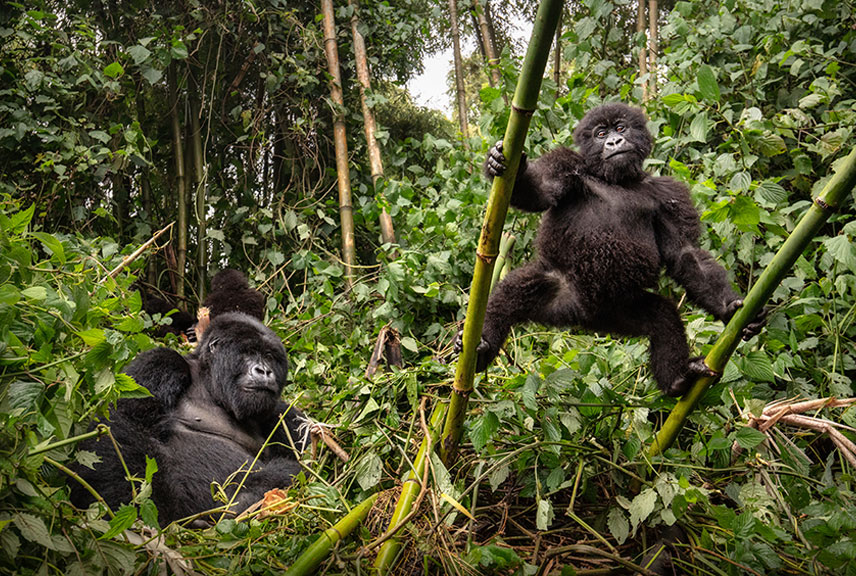
5-Day Gorilla Trekking and Golden Monkey Experience
9 Days
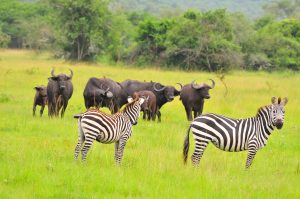
9-Day Ultimate Uganda Safari
16 Days
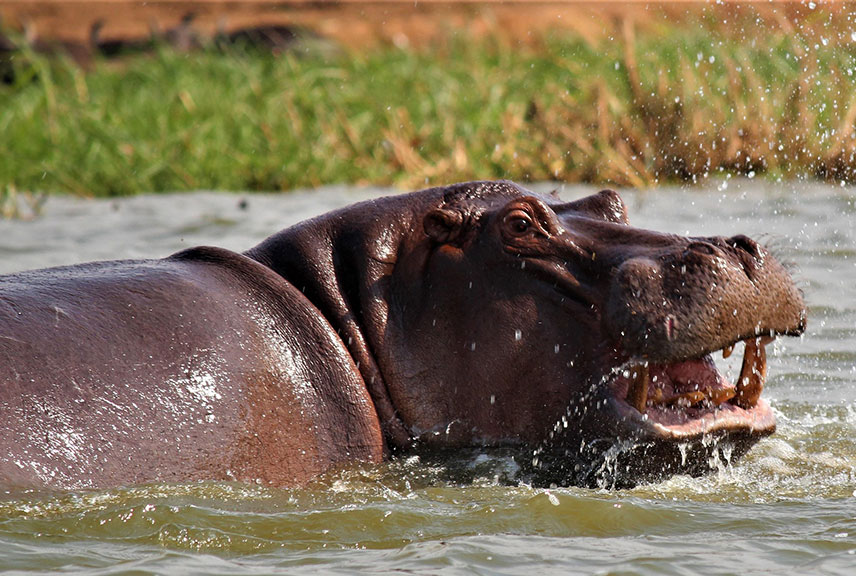
16-Day Ultimate Uganda Safari
Related Destinations
FAQs
Is gorilla trekking in Uganda only done in Bwindi?
No. Bwindi is the best-known gorilla trekking park in Uganda, but Mgahinga Gorilla National Park also offers gorilla trekking from the Kisoro and Ntebeko side of southwestern Uganda.
Which is better, Bwindi or Mgahinga?
Bwindi is usually best when you want more sector and lodge choice. Mgahinga is excellent when you want a smaller volcanic park, golden monkey tracking, Kisoro access, Lake Mutanda scenery or a Rwanda-linked route. The best option depends on permit availability and the rest of the safari.
Can I choose the exact gorilla family?
The permit is booked by date and location. The ranger team allocates the exact group on the trekking morning based on gorilla movement, group size, visitor fitness and park operations.
How difficult is gorilla trekking?
It ranges from moderate to strenuous. Terrain may be steep, muddy and thick with vegetation. A porter, proper boots and a realistic pace make the trek more comfortable.
Can gorilla trekking combine with other Uganda safaris?
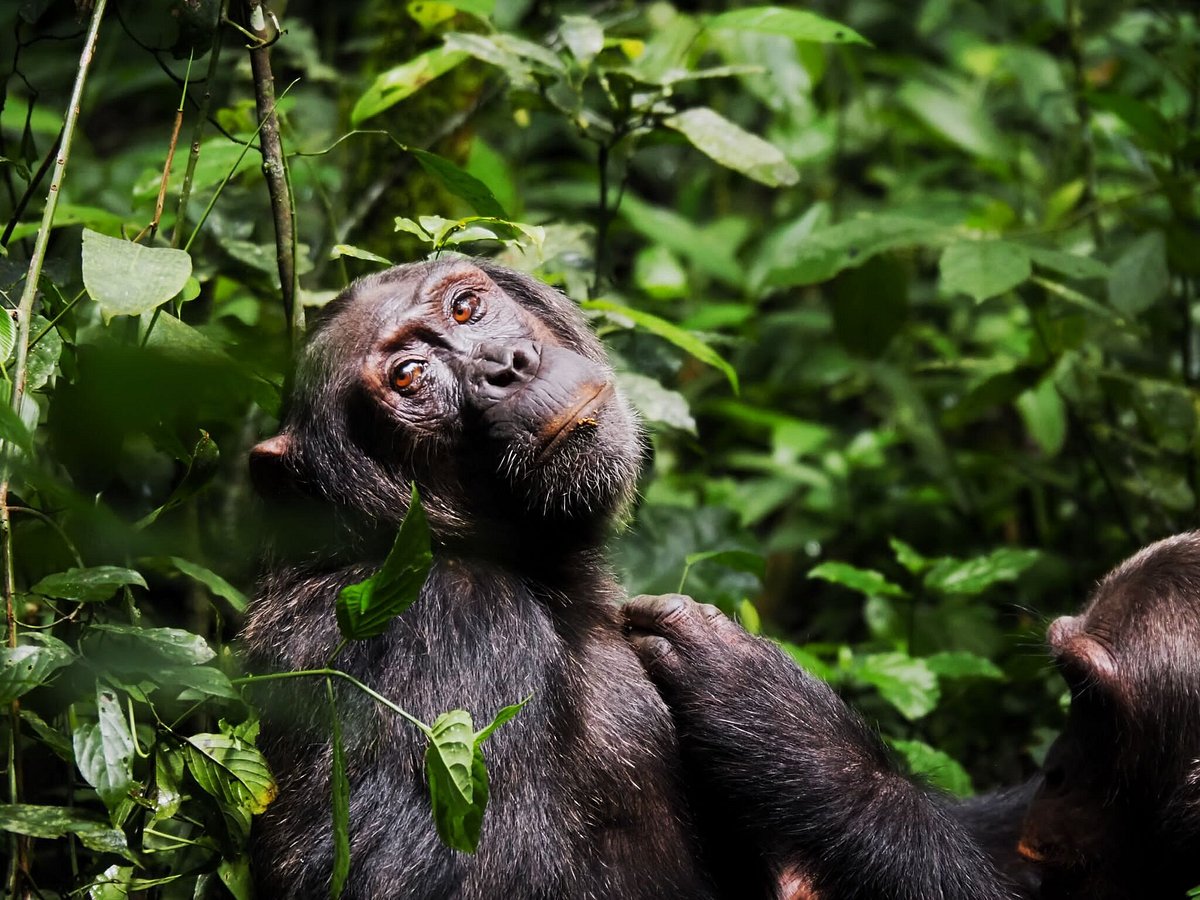
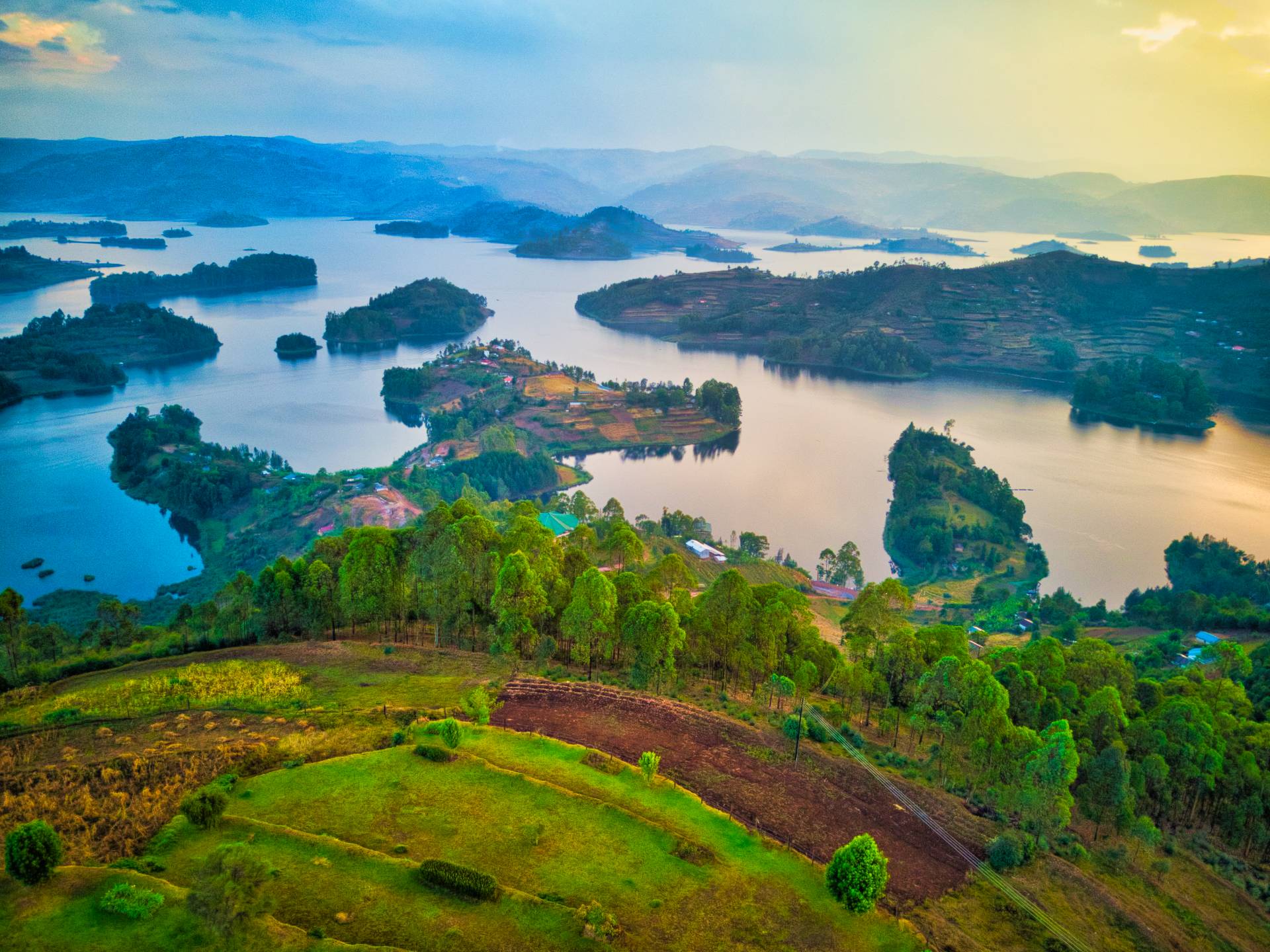
Yes. Strong combinations include golden monkey tracking in Mgahinga, Lake Mutanda, Lake Bunyonyi, Queen Elizabeth and Ishasha, Kibale chimpanzees, Lake Mburo, Murchison Falls and cultural experiences around the highland communities.
Plan a Gorilla Trekking Safari in Uganda
Tell us your travel dates, route and comfort level. We will match the permit location, lodge, transfer plan and add-on activities around Bwindi or Mgahinga.