A detailed Uganda birding guide covering Mabamba, Bwindi, Semuliki, Queen Elizabeth, Kibale, Murchison Falls, Lake Mburo and specialist forest or wetland routes.
Activity Snapshot
Best Areas
Mabamba, Bwindi, Semuliki, Kibale, Queen Elizabeth, Murchison Falls and Lake Mburo
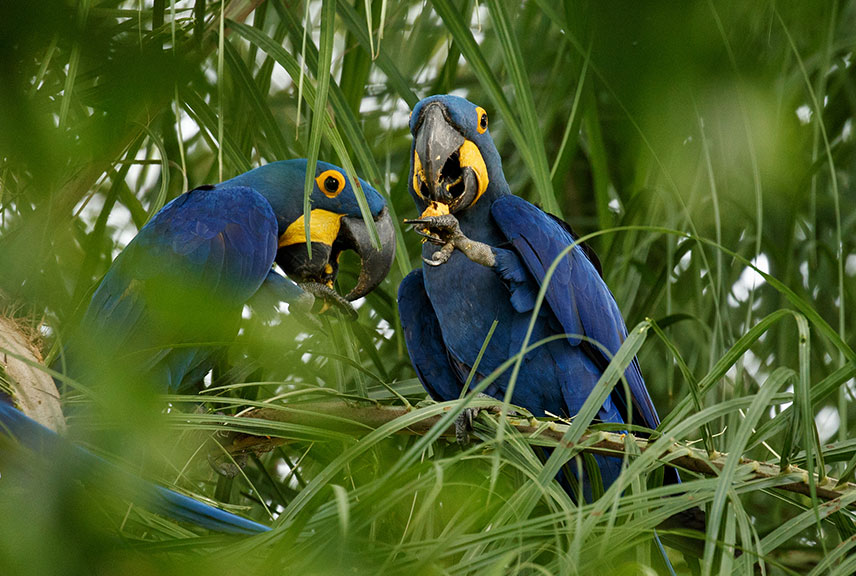
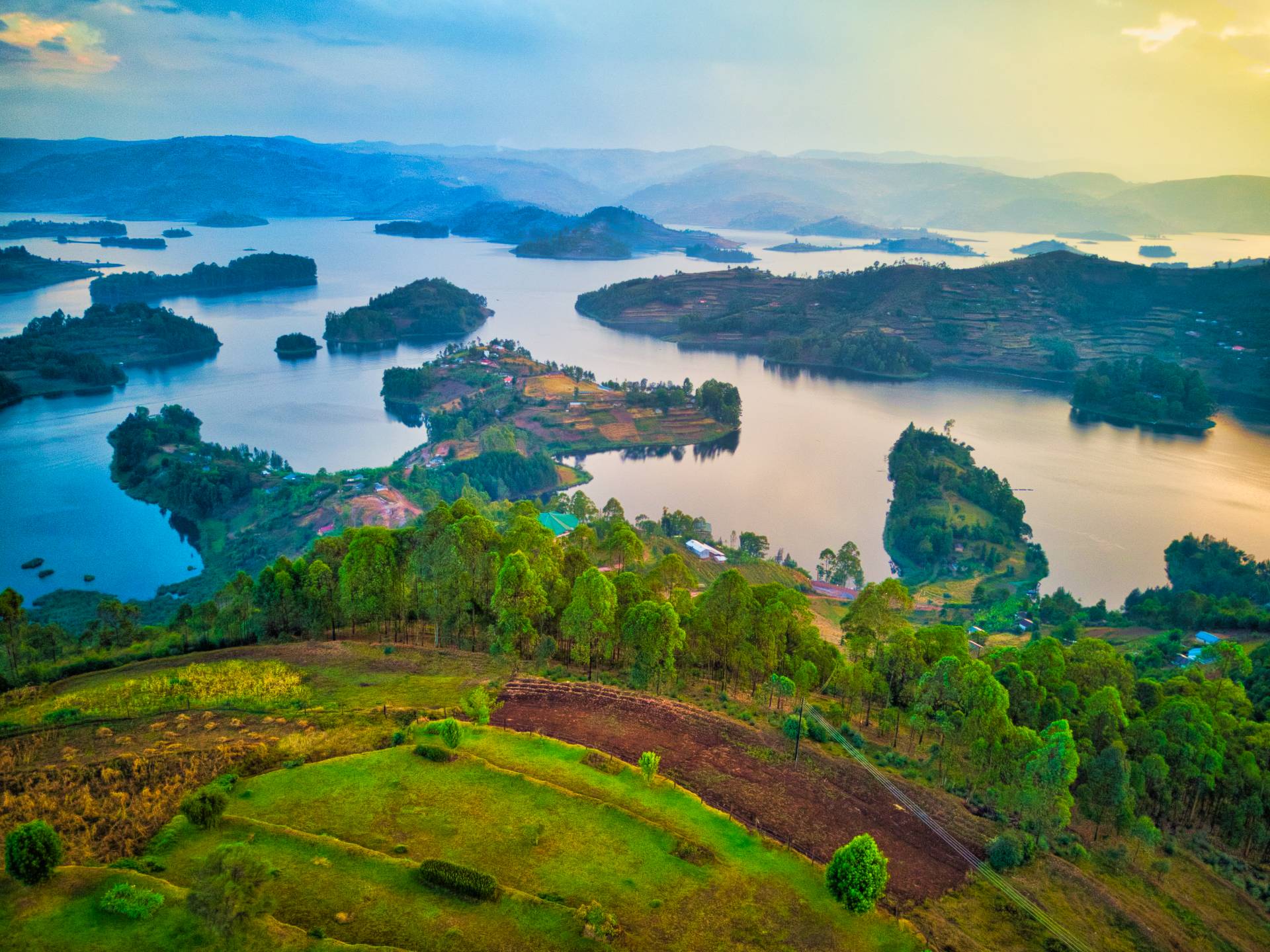
Uganda is one of Africa’s strongest birding destinations because different habitats sit close together: papyrus wetlands, lakes, savannah, riverbanks, lowland forest, montane rainforest and highland slopes. A short safari can include casual birding, while a specialist itinerary can be built around target species and early starts.
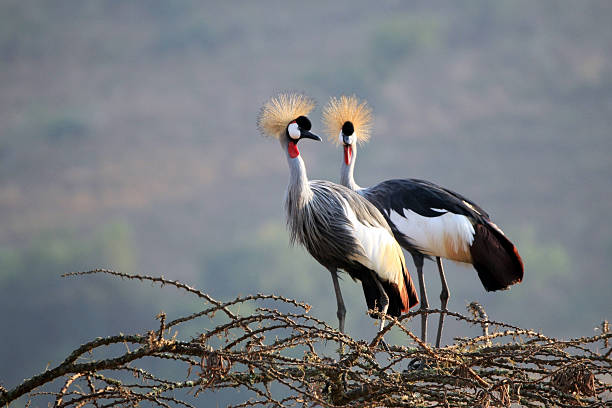
Birdwatching is not only for expert birders. First-time travelers can add Mabamba for shoebill, a Kazinga Channel or Nile boat cruise for waterbirds, Bigodi or Kibale for forest-edge species, and Bwindi or Semuliki for serious forest birding.
Birdwatching can be a gentle add-on or the main purpose of a Uganda safari.
Best Birding Locations
Mabamba Wetland
Best near Entebbe for shoebill-focused canoe birding through papyrus channels and Lake Victoria wetland habitat.
Bwindi Impenetrable National Park
Strong for Albertine Rift forest birds, gorilla-route add-ons, Ruhija and Buhoma birding, and serious forest specialists.
Semuliki National Park
Best for lowland forest and Congo Basin-linked species that are harder to find elsewhere in East Africa.
Kibale and Bigodi
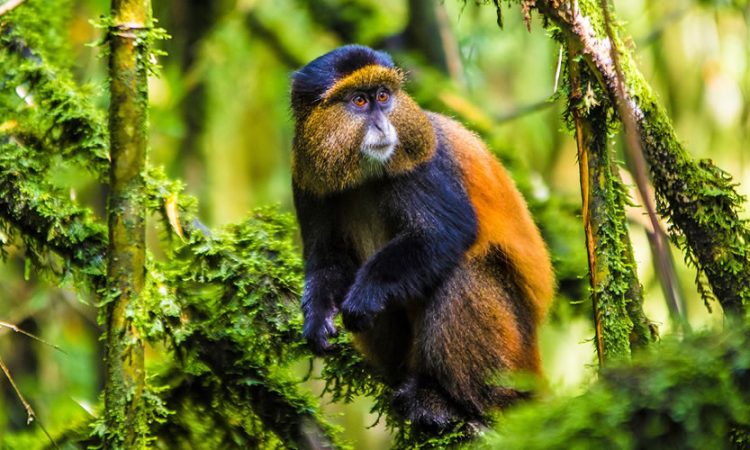
Good for forest-edge birds, swamp species, primates and easier community-guided birding near chimpanzee tracking routes.
Queen Elizabeth and Kazinga Channel
Excellent for waterbirds, raptors, savannah species and relaxed birding from boat or vehicle.
Murchison Falls and Budongo
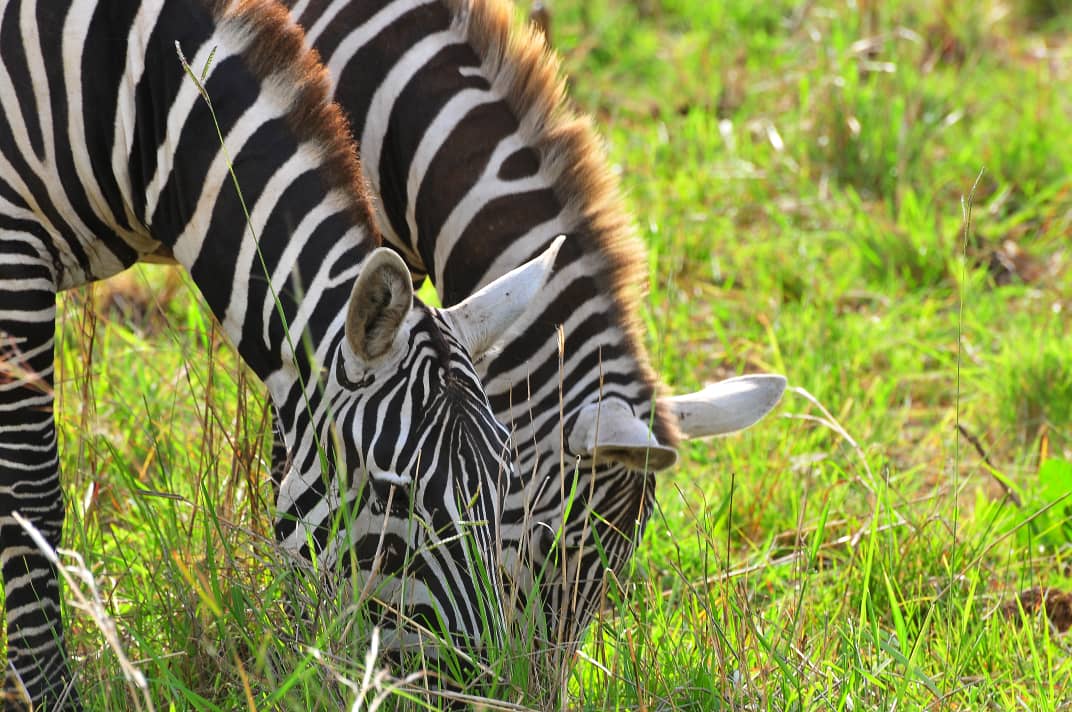
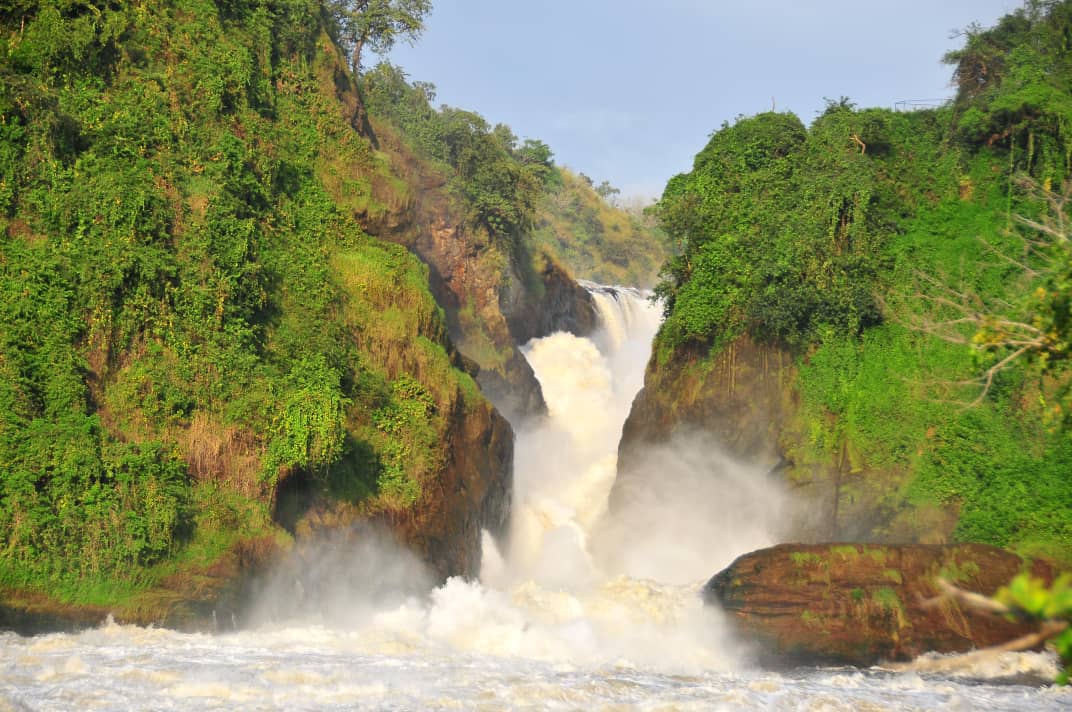
Good for savannah, Nile riverbanks, forest birding in Budongo and longer northern circuit bird lists.
How to Plan a Birding Day
Start early
Birding is strongest in the cool morning when calls and movement are higher.
Choose targets
A shoebill morning is planned differently from forest birding in Bwindi or general waterbird photography on the Kazinga Channel.
Move slowly
Good birding requires listening, scanning, patience and time in one habitat instead of rushing between many places.
Use the right guide
A specialist bird guide is important for forest species, calls, local names and realistic target planning.
Beginner vs Specialist Birding
Beginners usually enjoy Mabamba, boat cruises, Bigodi, Lake Mburo and lodge grounds because birds are visible and the pace is relaxed. Specialist birders should give more time to Bwindi, Semuliki, Budongo, Kibale and Mabamba, with early starts and detailed target lists.
Wetlands and boat routes are often the easiest way for non-specialists to enjoy birdwatching.
What to Bring
Binoculars
Essential for both beginners and expert birders.
Field guide or app
Useful for recording species and comparing calls or plumage.
Neutral clothing
Quiet colors and comfortable layers help on forest and wetland routes.
Patience and notebook
Birding rewards slow observation, notes and unhurried time in habitat.
Official Tour Packages for Birdwatching
These official tour packages can be adapted with birding time.