
Photography Safaris in Uganda
A detailed guide to wildlife, primate, bird, landscape and cultural photography on Uganda safari routes.
Overview
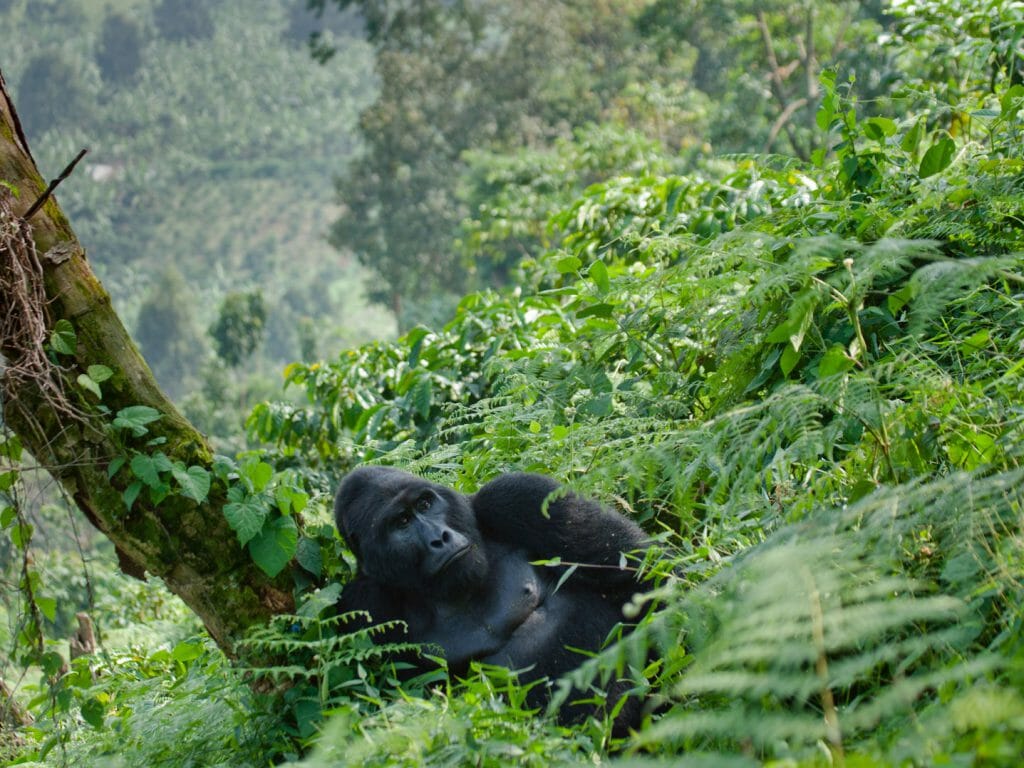
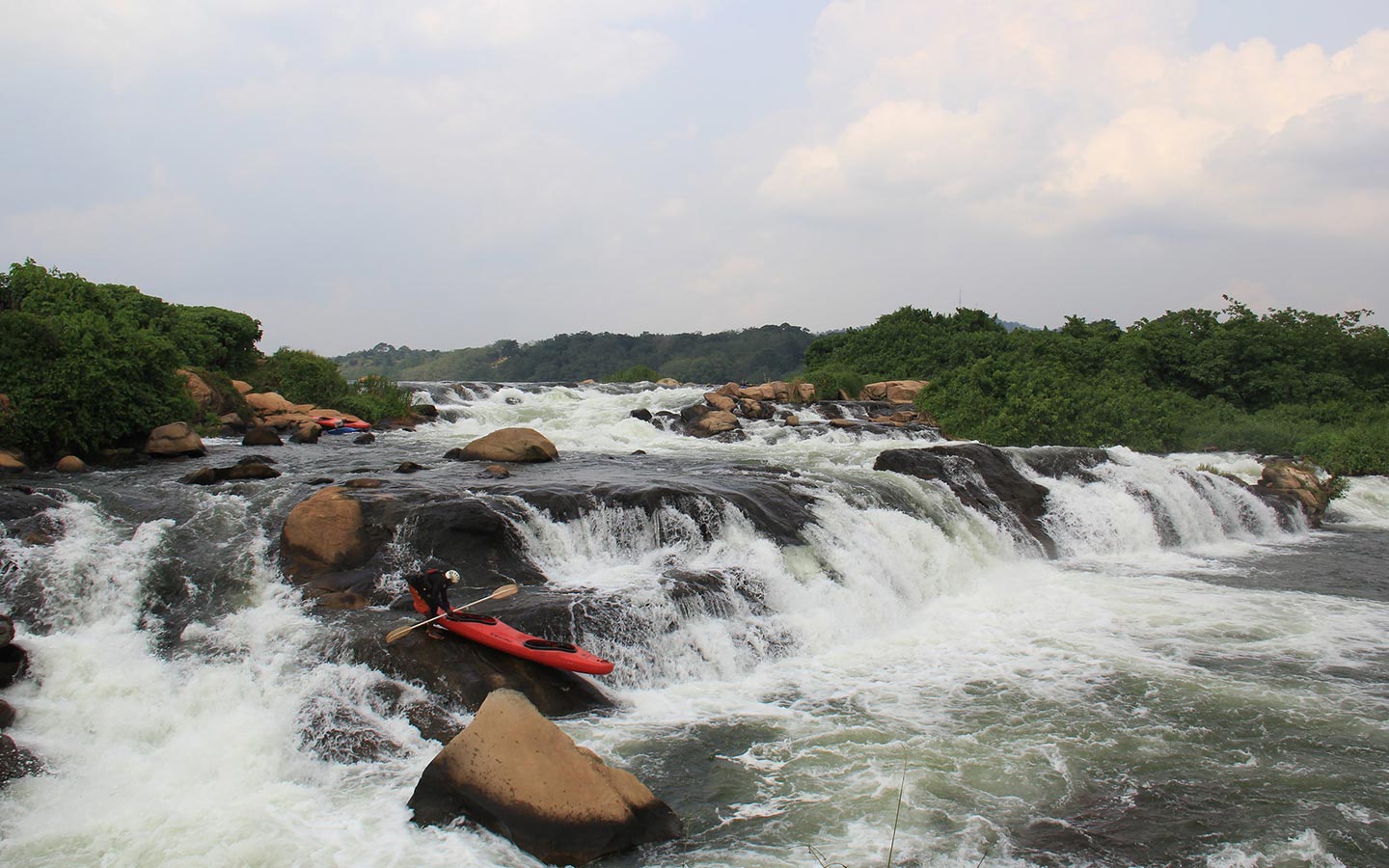
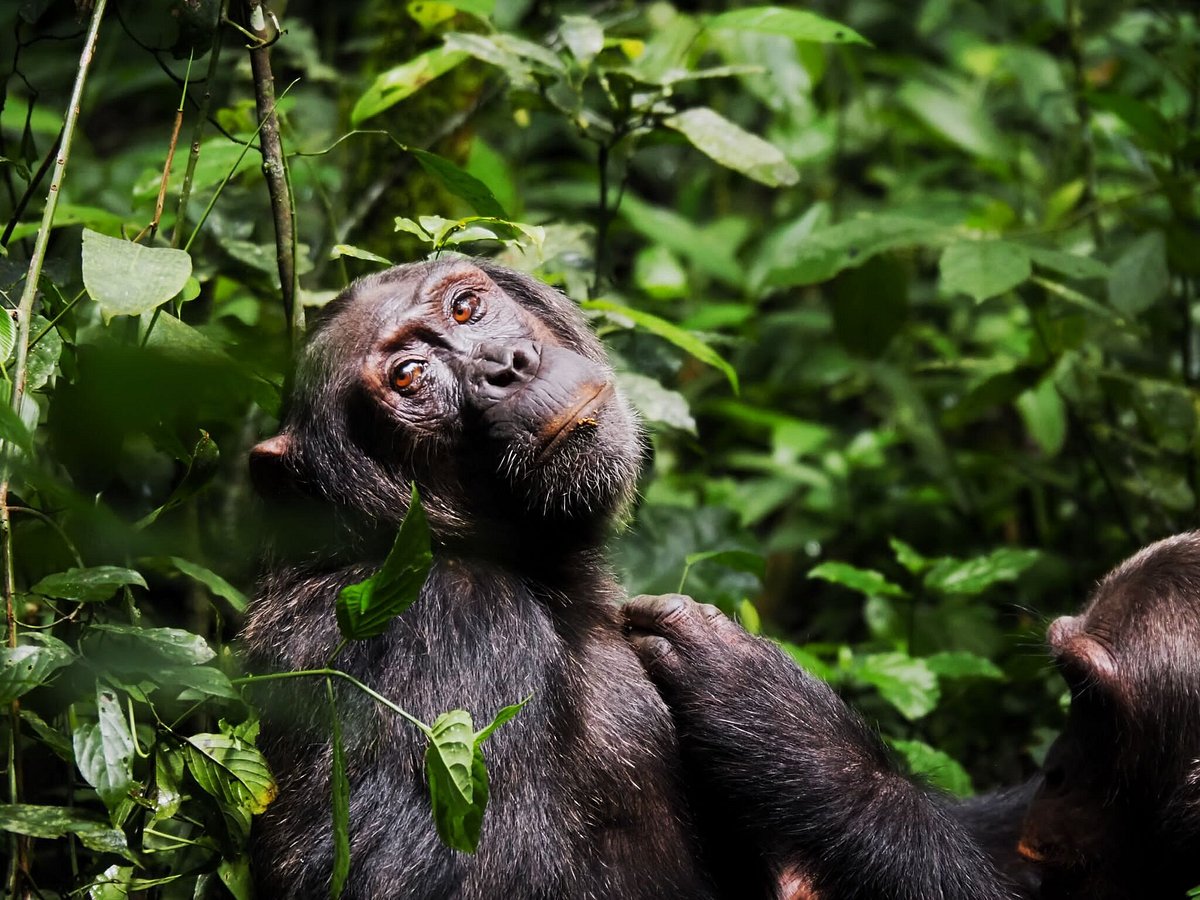
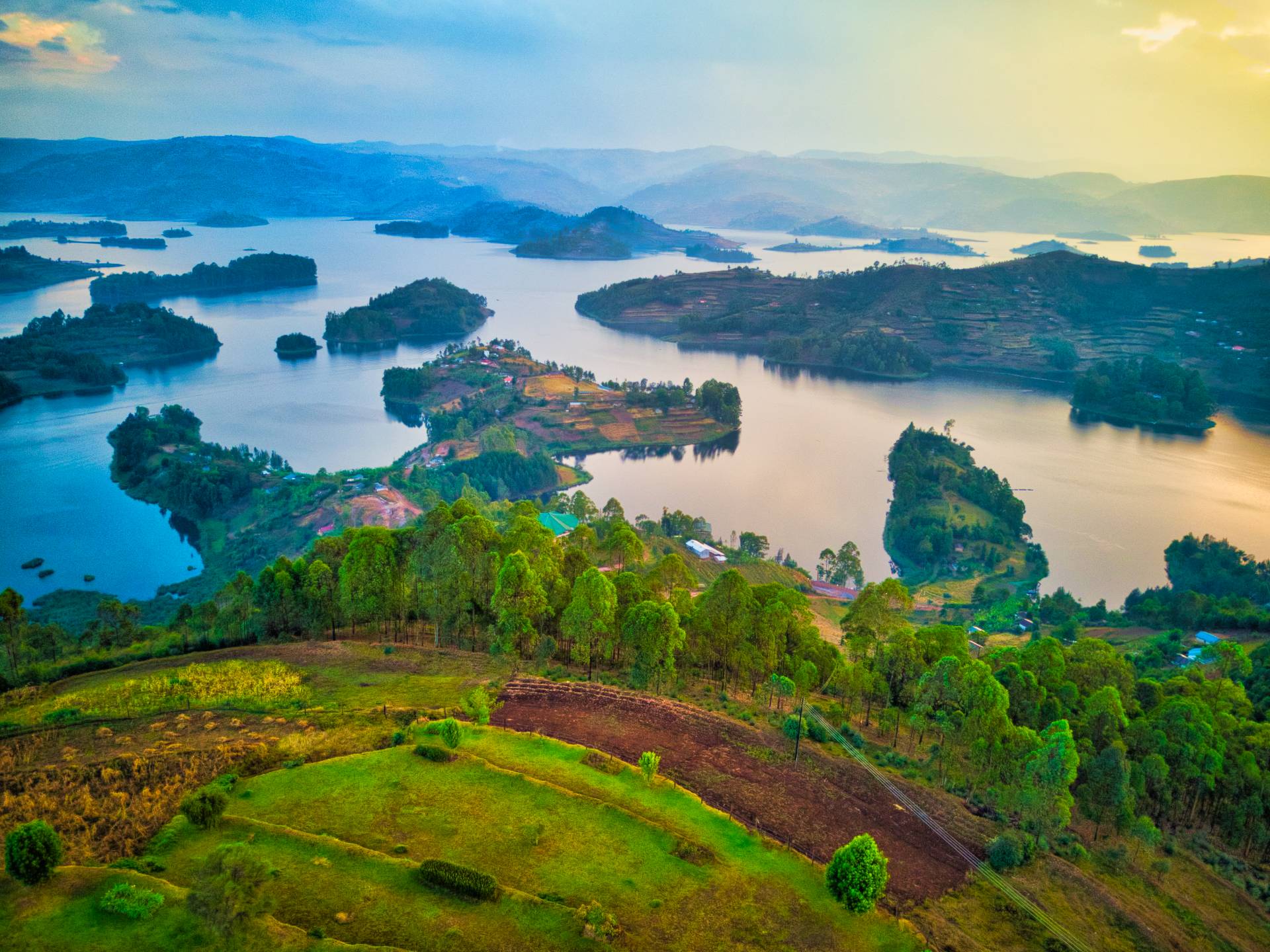
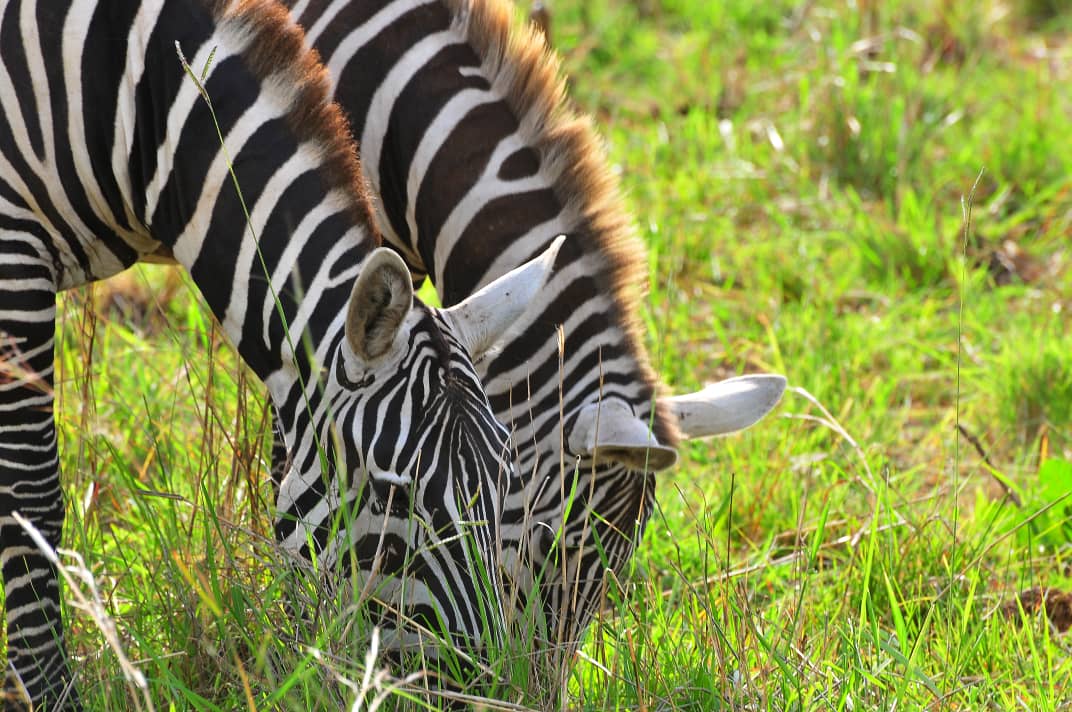
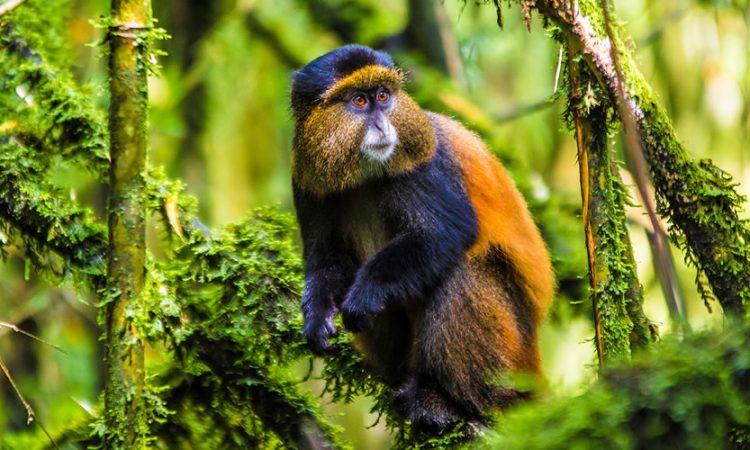
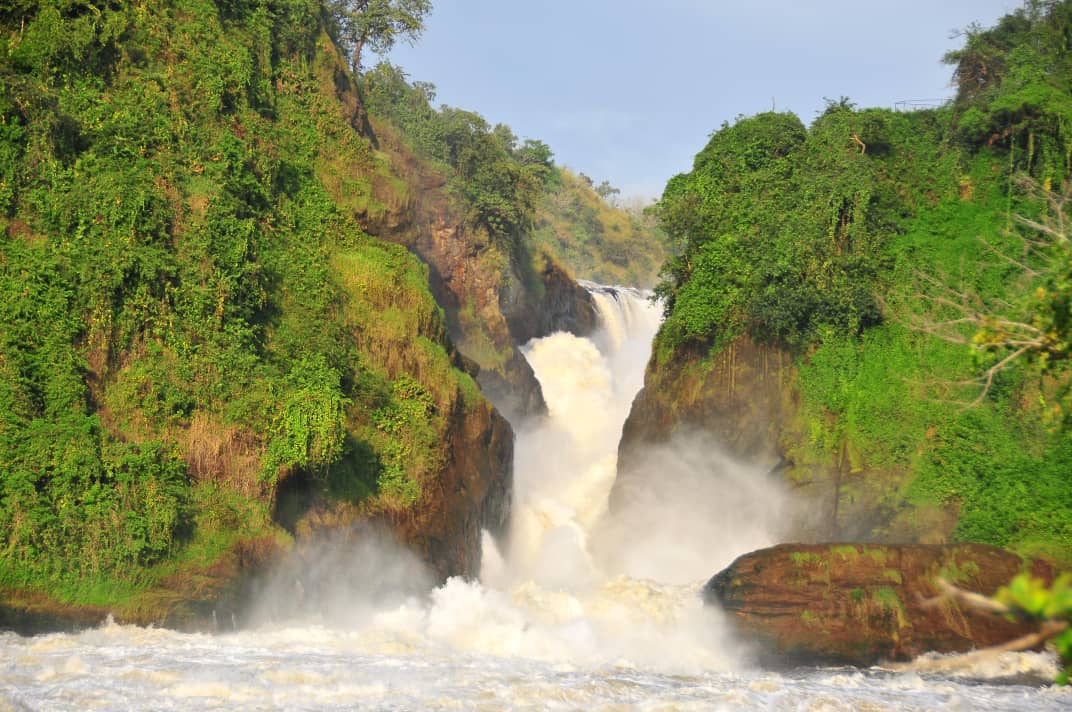
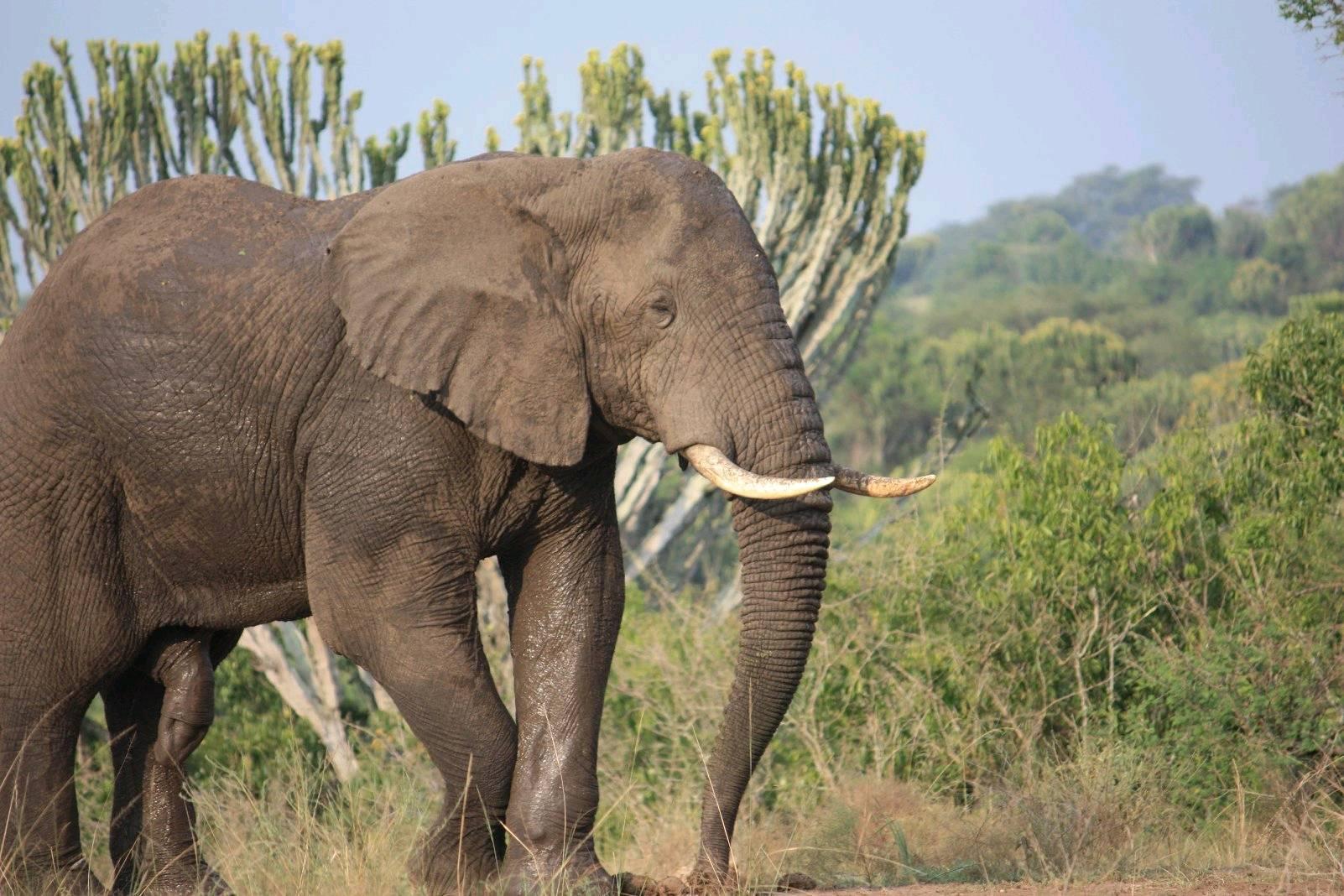
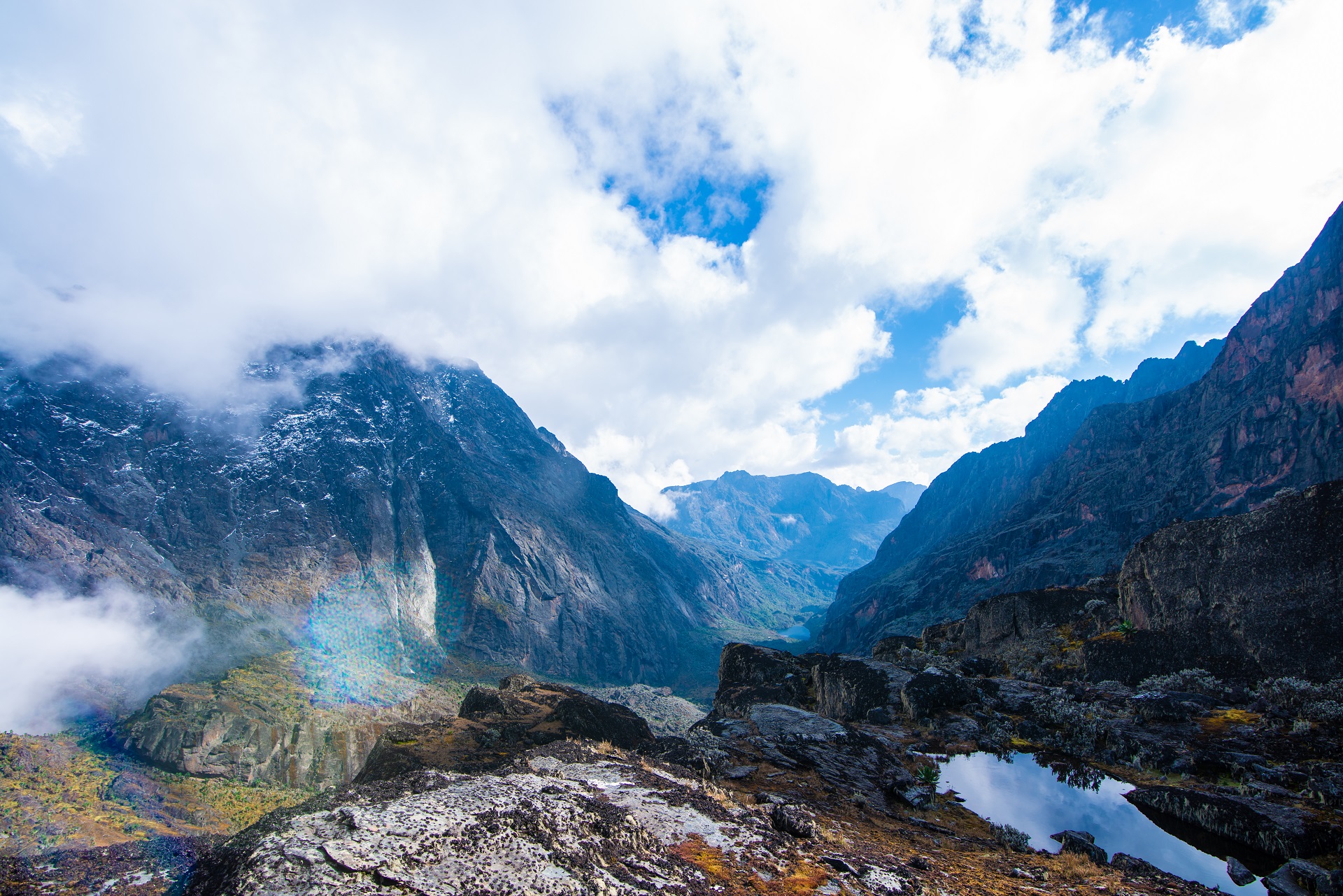
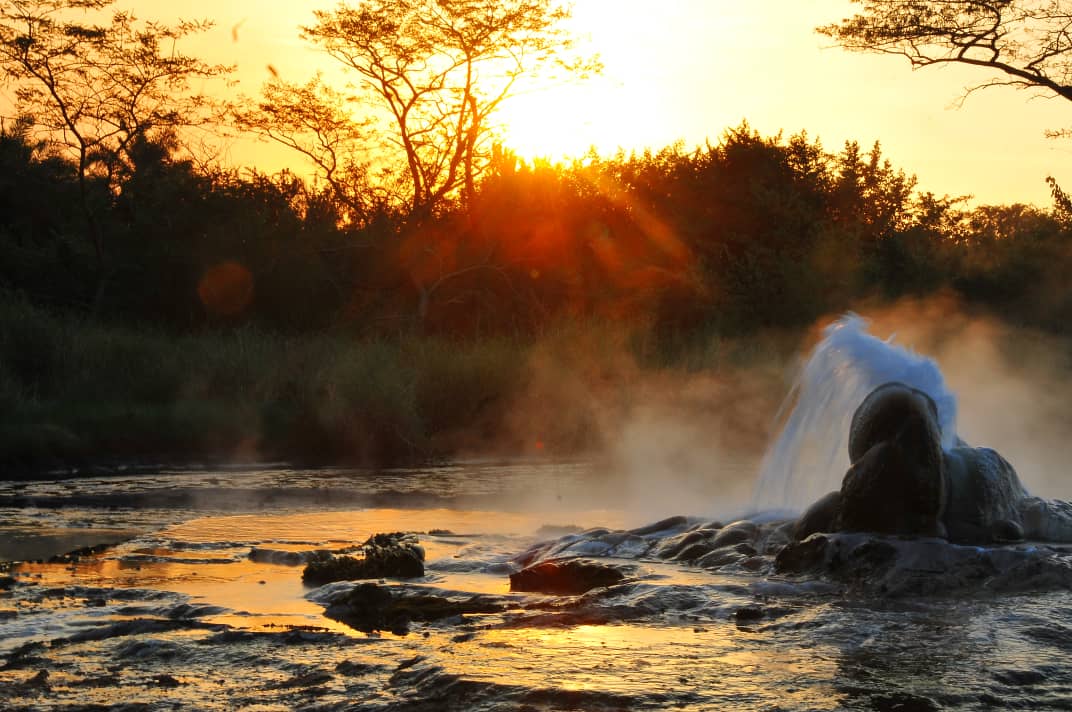
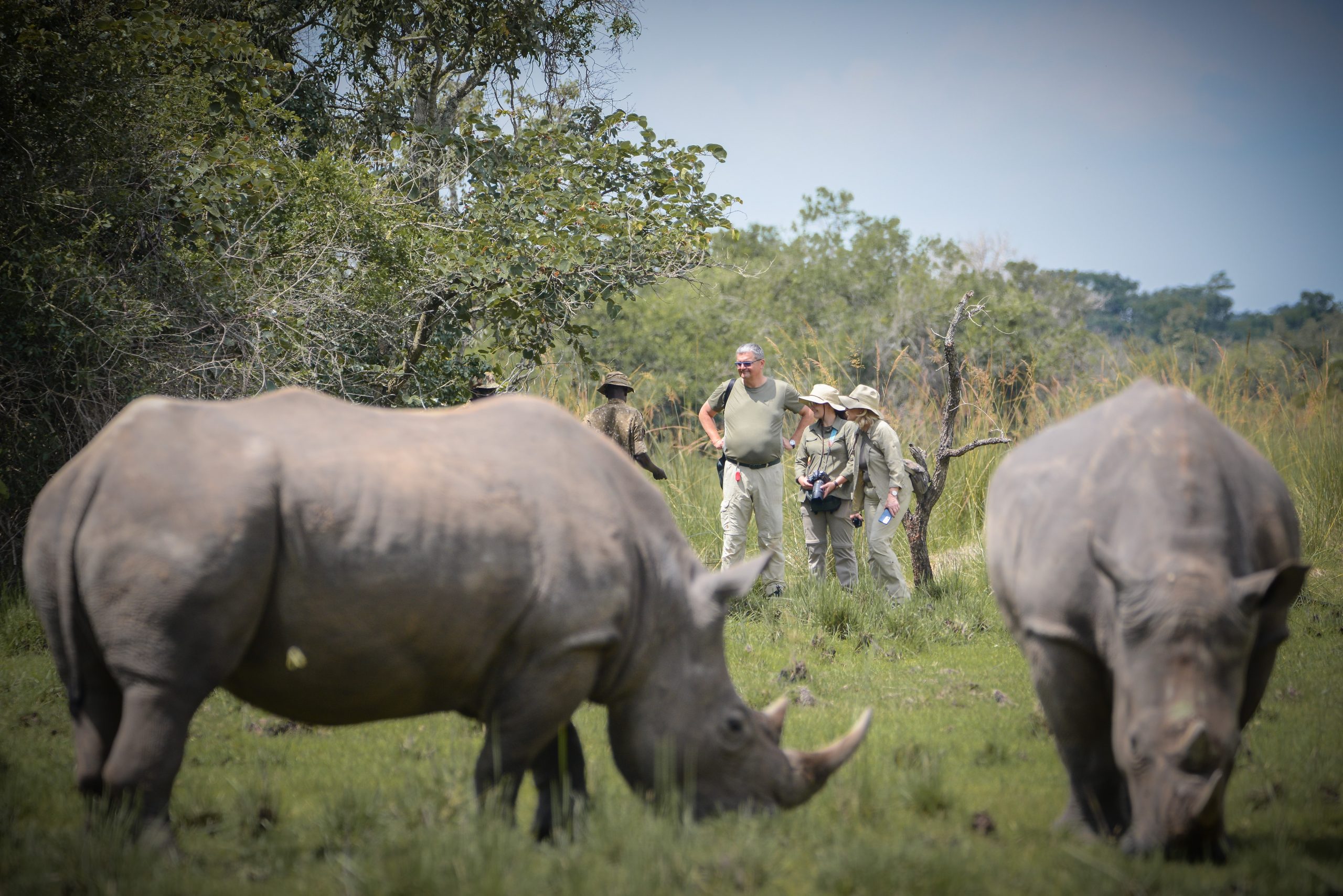
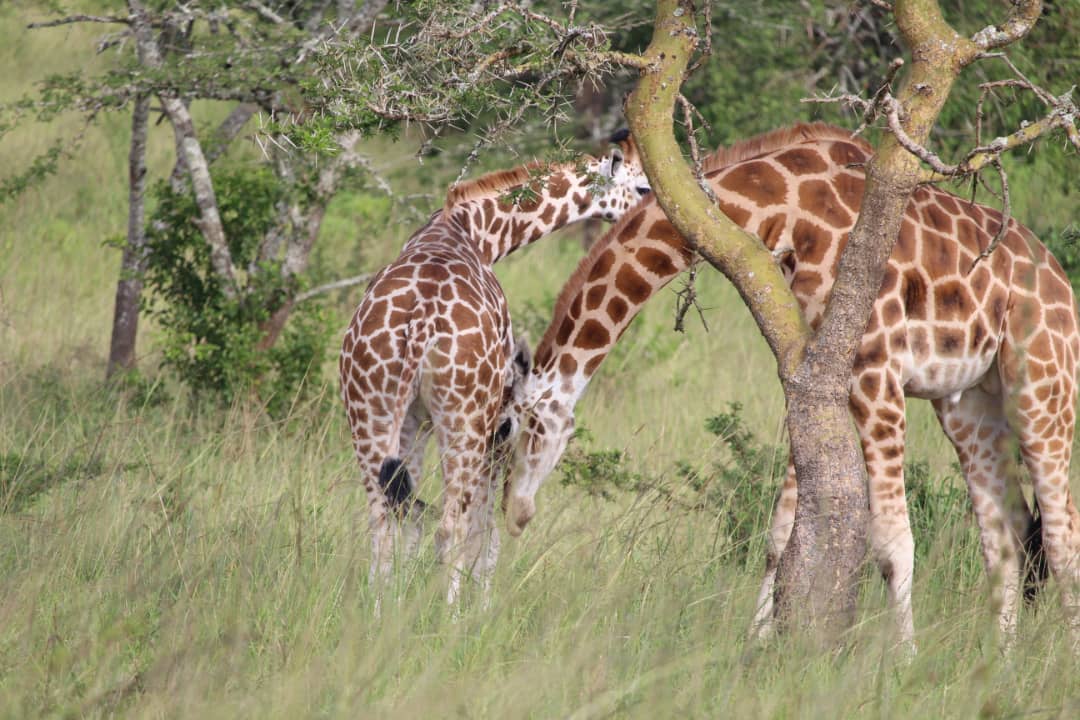
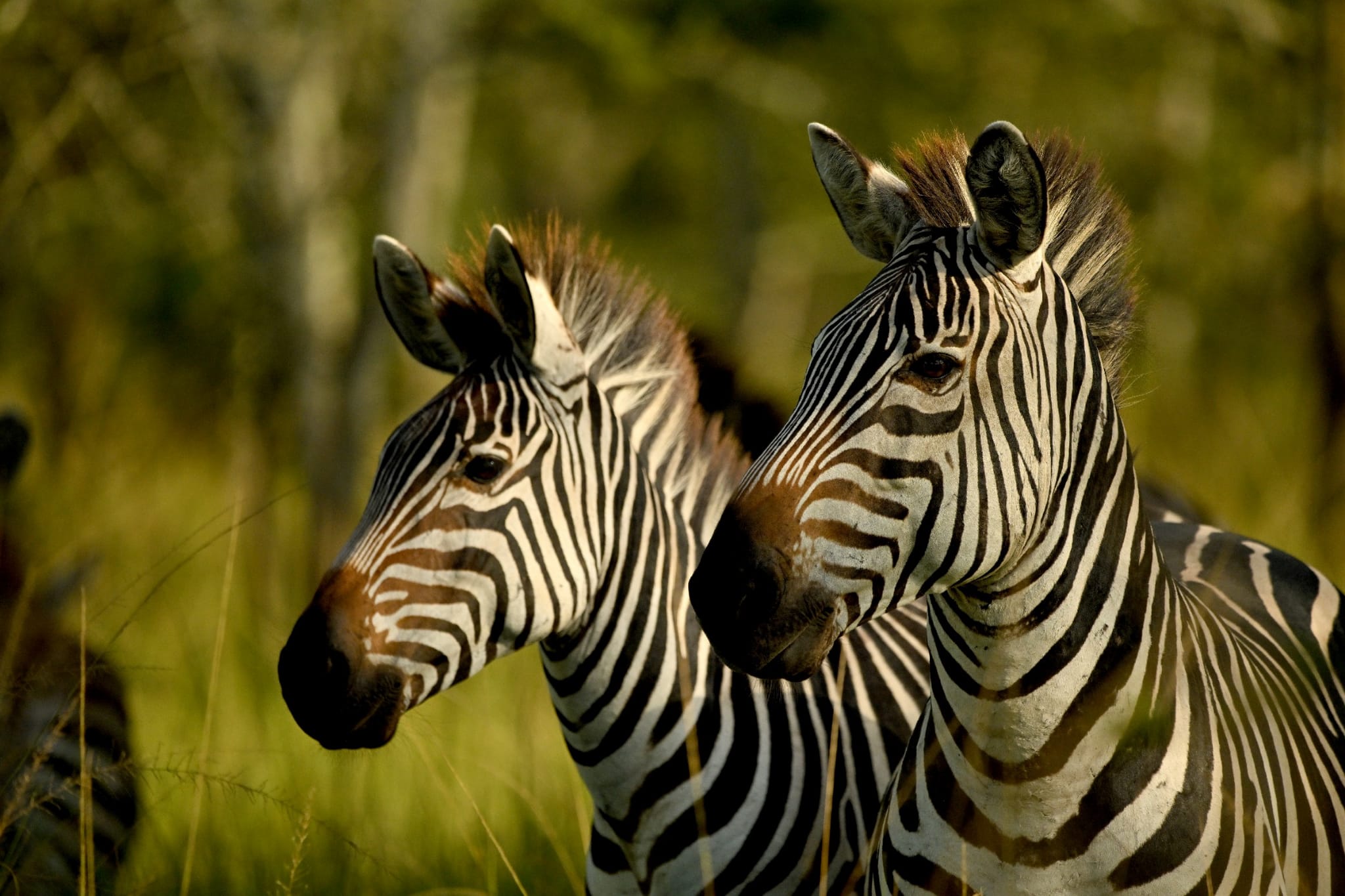
Uganda is a strong photography destination because it combines primates, savannah wildlife, birds, water, mountains, forest, culture and dramatic light in one country. A photography safari should not simply follow a normal route faster; it should slow down to allow better light, repeated opportunities and enough time in each habitat.
The best photography planning is honest about priorities: gorillas need different preparation from birds, boat safaris need different lenses from landscapes, and cultural photography requires consent and sensitivity.
Best Photography Subjects
How to Plan a Photography Safari
Route Ideas
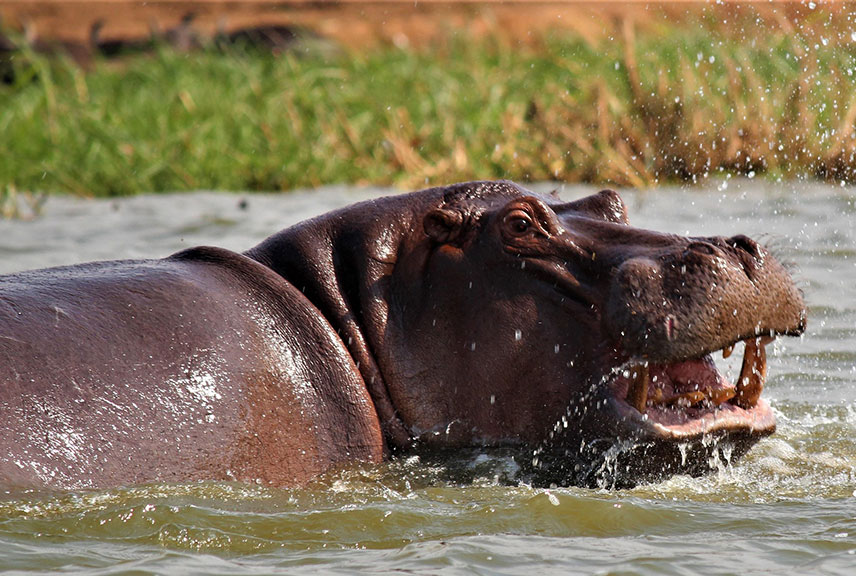
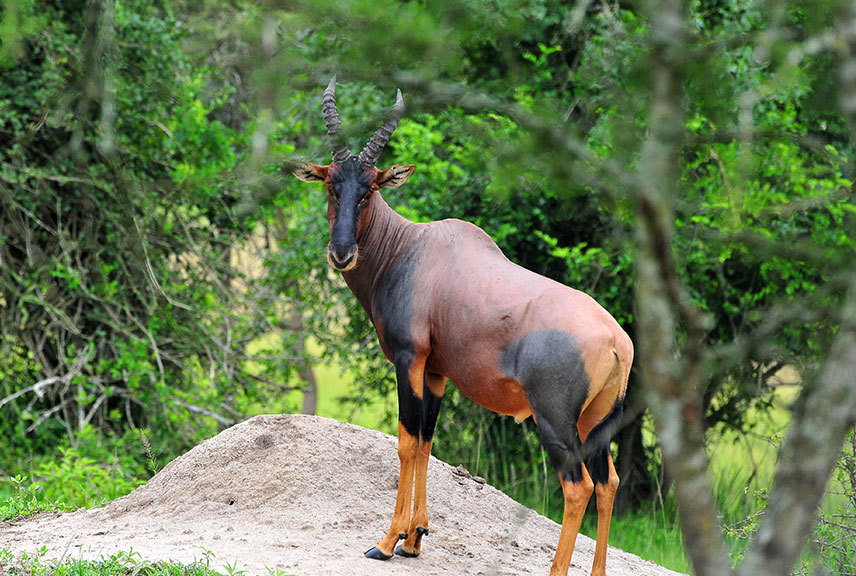
A primate photography route can combine Kibale with Bwindi or Mgahinga. A wildlife and water route can combine Murchison Falls, Queen Elizabeth and Lake Mburo. A birding and shoebill route can begin at Mabamba and continue to Semuliki, Kibale, Bwindi and Queen Elizabeth.
What to Bring
Official Tour Packages for Photography
These official tour packages offer strong photography variety.
16 Days
16-Day Ultimate Uganda Safari
12 Days
12-Day Classic Uganda Safari
9 Days
9-Day Ultimate Uganda Safari
Related Destinations
FAQs
What is the best Uganda safari for photography?
A slower route combining primates, savannah wildlife and water usually gives the strongest variety.
Can I use flash with gorillas or chimpanzees?
No. Follow ranger rules and avoid flash around primates and sensitive wildlife.
Do I need a private vehicle?
It helps, especially for photographers who need time, positioning and flexible stops.
Is cultural photography allowed?
Only with consent and proper local guidance.
Plan a Uganda Photography Safari
Tell us your subjects and gear style, and we will slow the route around light, timing and access.