

Birdwatching in Uganda
A detailed Uganda birding guide covering Mabamba, Bwindi, Semuliki, Queen Elizabeth, Kibale, Murchison Falls, Lake Mburo and specialist forest or wetland routes.
Overview
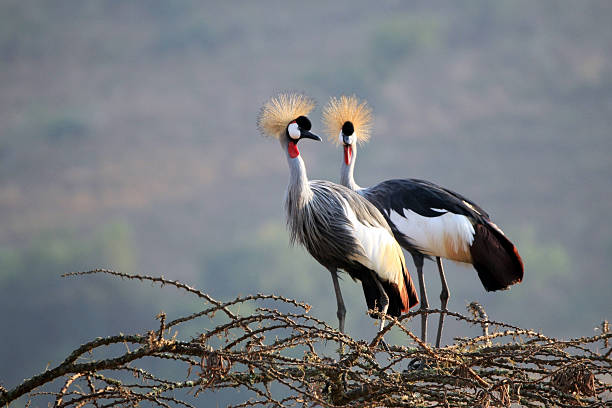
Uganda is one of Africa’s strongest birding destinations because different habitats sit close together: papyrus wetlands, lakes, savannah, riverbanks, lowland forest, montane rainforest and highland slopes. A short safari can include casual birding, while a specialist itinerary can be built around target species and early starts.
Birdwatching is not only for expert birders. First-time travelers can add Mabamba for shoebill, a Kazinga Channel or Nile boat cruise for waterbirds, Bigodi or Kibale for forest-edge species, and Bwindi or Semuliki for serious forest birding.
Best Birding Locations
How to Plan a Birding Day
Beginner vs Specialist Birding
Beginners usually enjoy Mabamba, boat cruises, Bigodi, Lake Mburo and lodge grounds because birds are visible and the pace is relaxed. Specialist birders should give more time to Bwindi, Semuliki, Budongo, Kibale and Mabamba, with early starts and detailed target lists.
What to Bring
Official Tour Packages for Birdwatching
These official tour packages can be adapted with birding time.
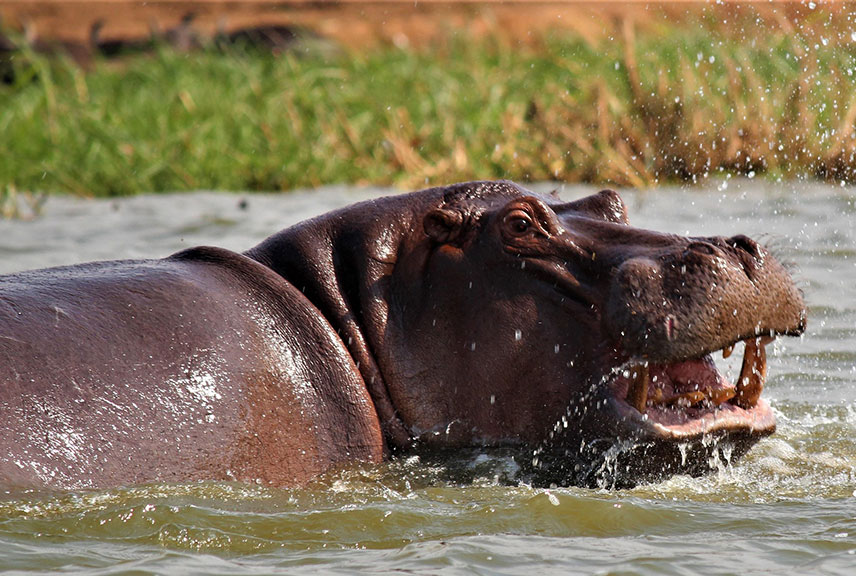
16 Days
16-Day Ultimate Uganda Safari
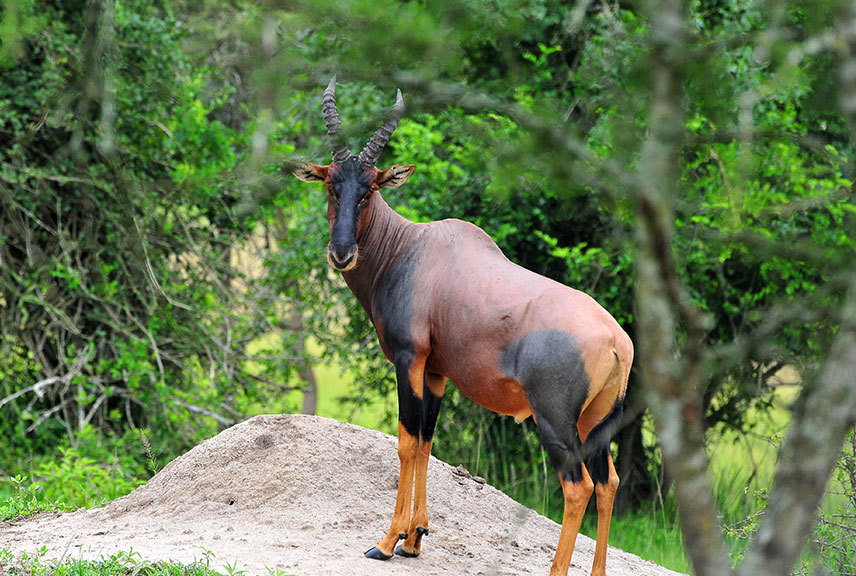
12 Days
12-Day Classic Uganda Safari
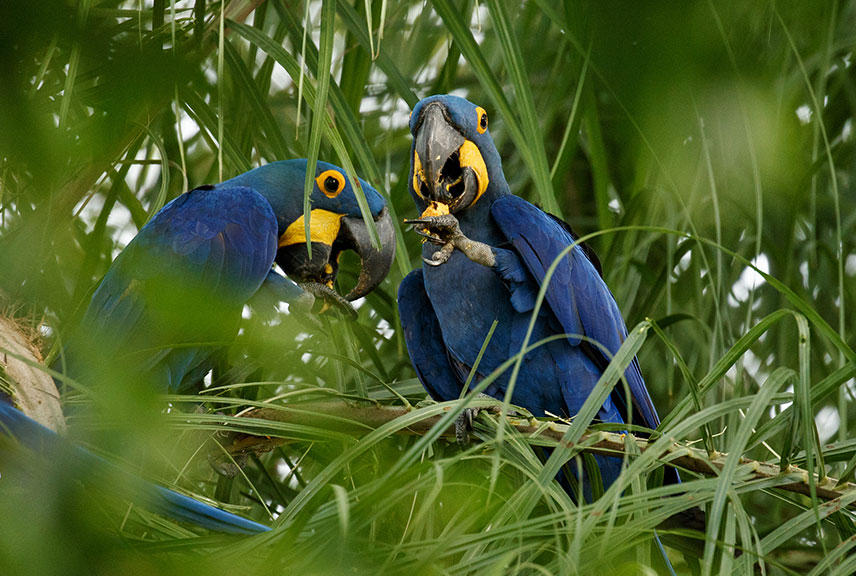
7 Days
7-Day Kibale Forest National Park
Related Destinations
FAQs
Where is the best place to see the shoebill?
Mabamba Wetland near Entebbe is the most practical shoebill location for most travelers.
Can non-birders enjoy birdwatching?
Yes. Boat safaris, wetlands and lodge grounds are excellent for relaxed birding without specialist pressure.
Do I need a specialist bird guide?
For serious target species, yes. For casual birding, a good safari guide can still add value.
When is birding best?
Early mornings are usually best. Migratory seasons can add interest, but Uganda birding works year-round.
Plan a Uganda Birdwatching Safari
Tell us your target species, birding level and route. We will match the right habitats, guide and timing.