Nile route stop near Karuma Falls and Murchison Falls
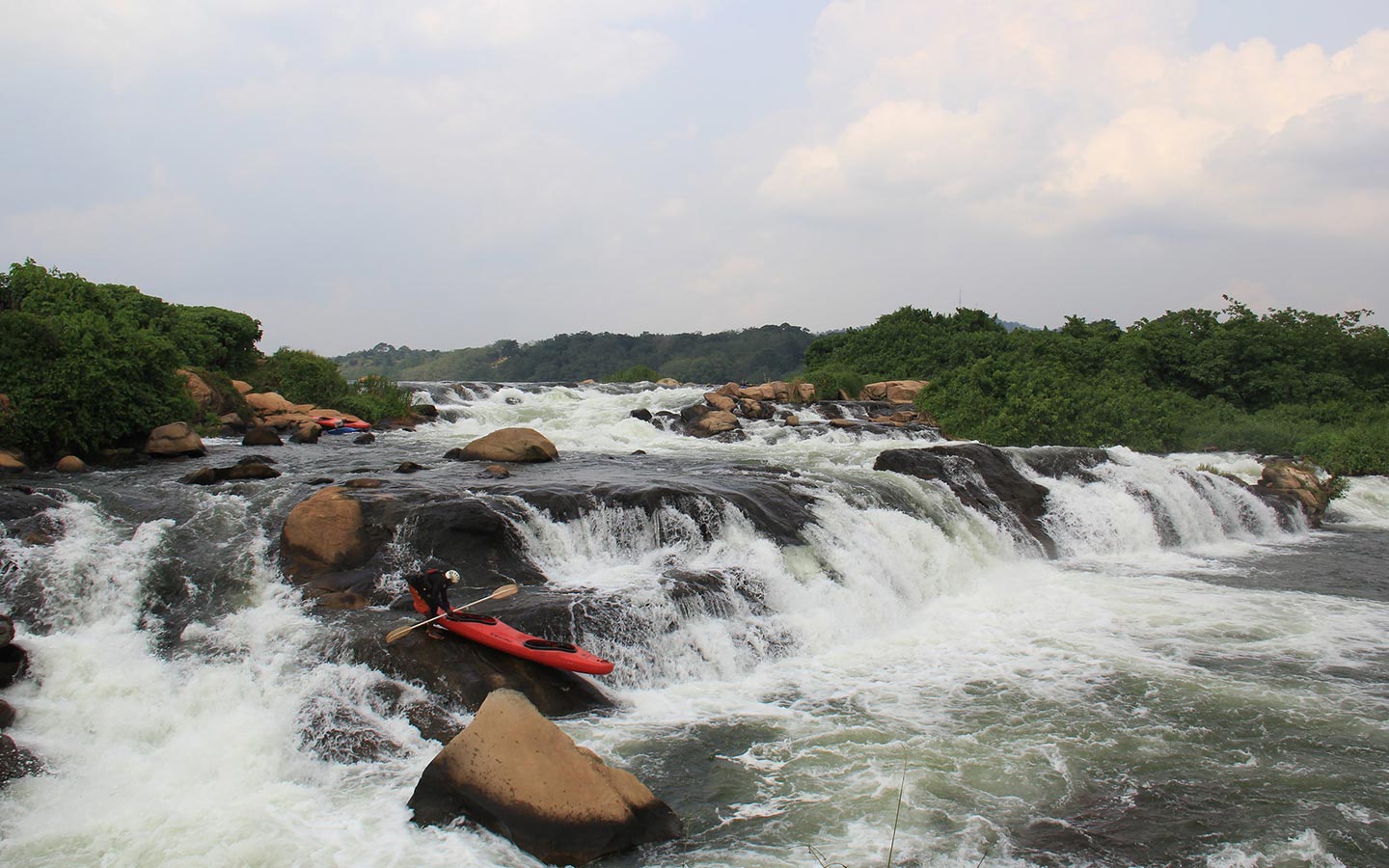
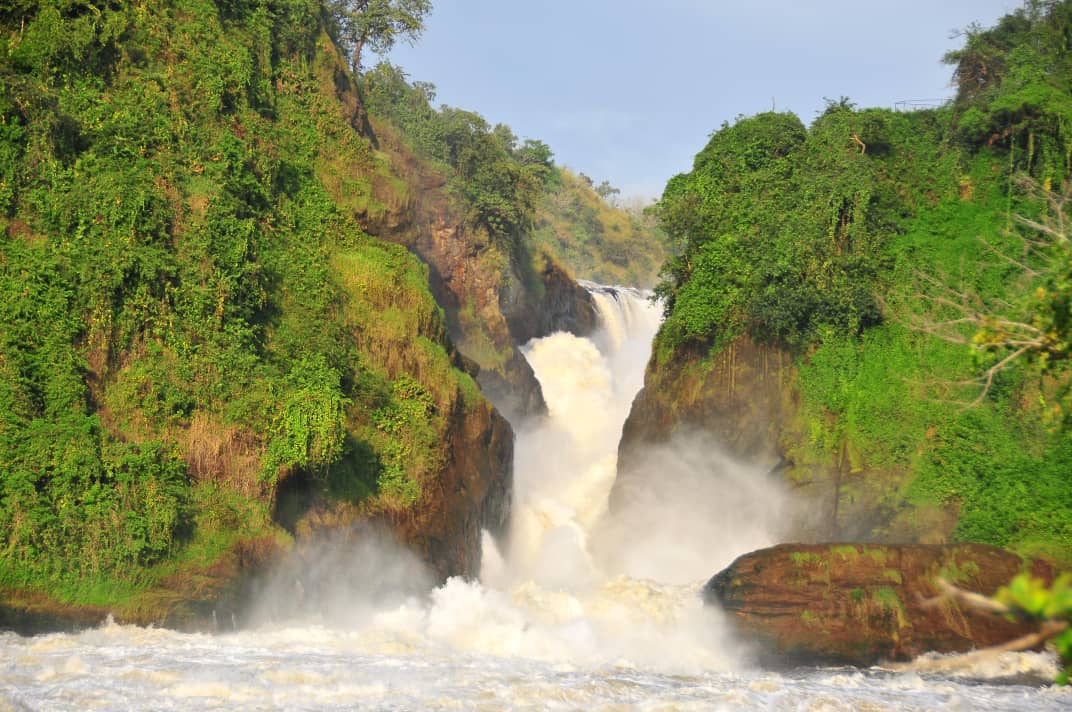
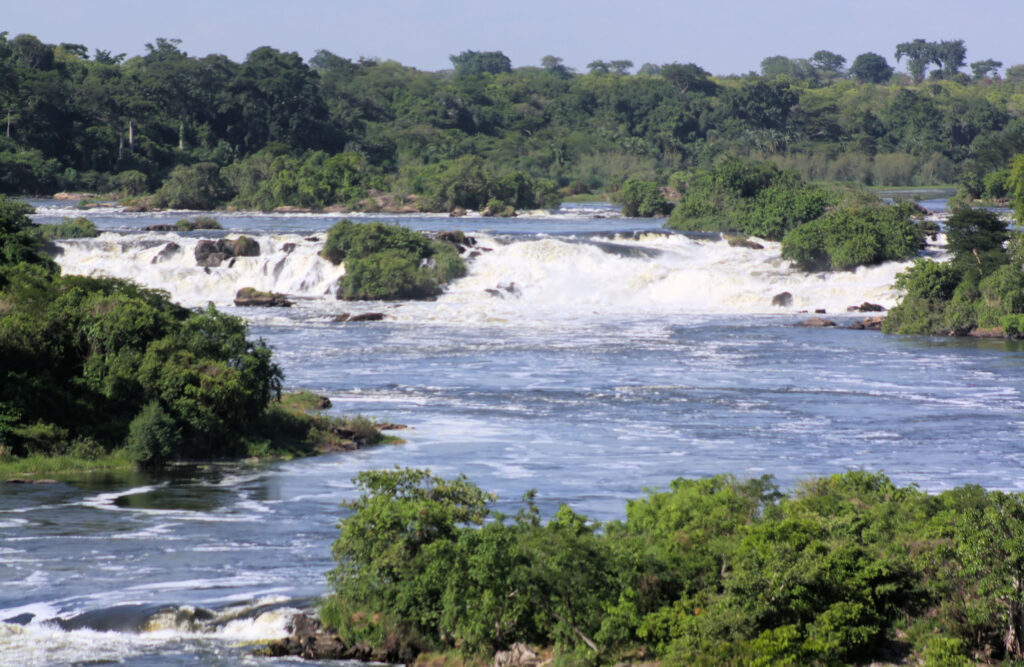
Karuma Wildlife Reserve lies near the Victoria Nile and Karuma Falls, making it a useful route stop for safaris to Murchison Falls and northern Uganda. It is best for scenery, birding, short nature stops, and breaking up longer road journeys rather than as a standalone major safari park.
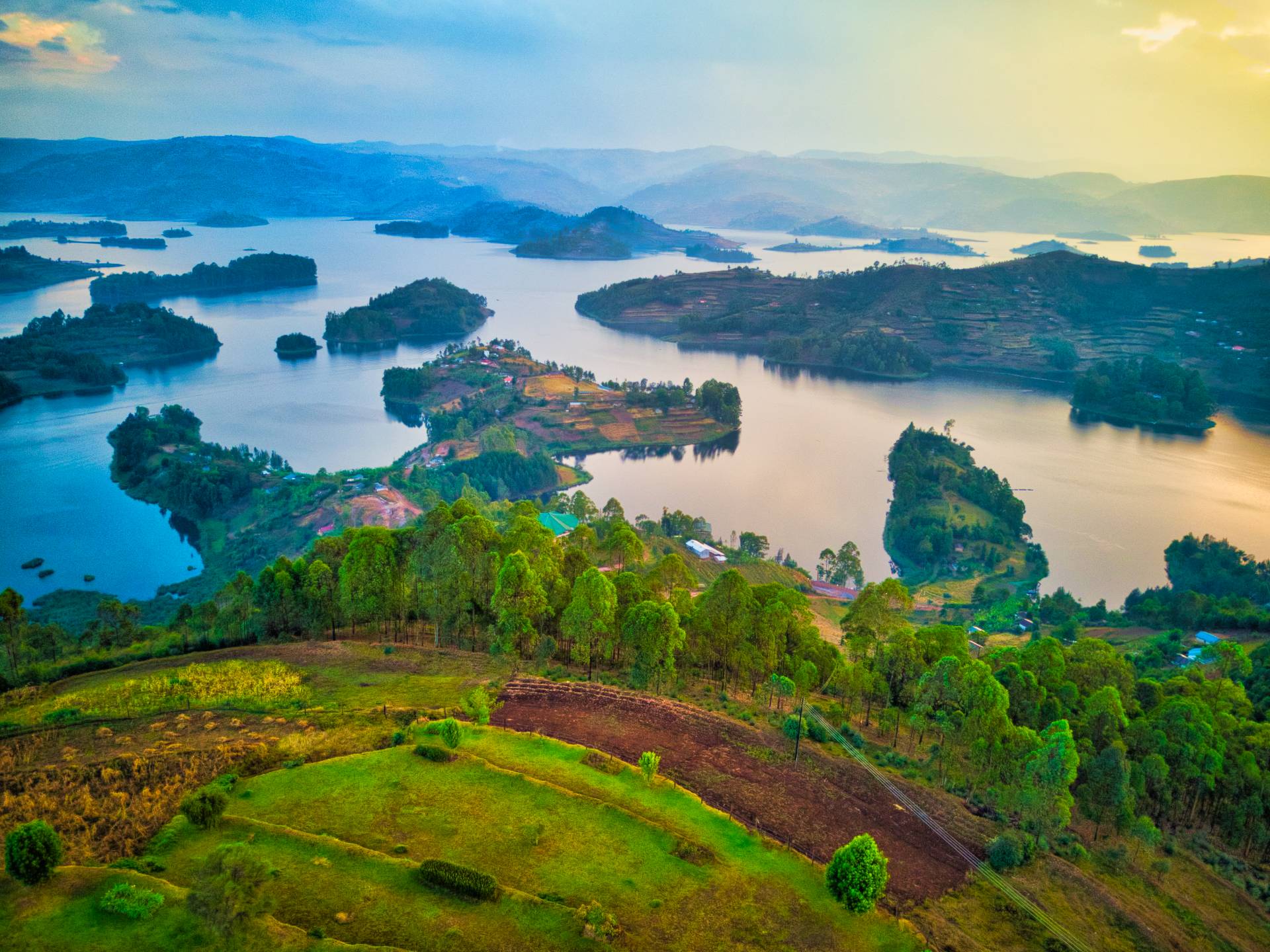
Karuma Wildlife Reserve is strongest when it is planned around its landscape and pace, not only around a checklist. The main experience revolves around karuma falls area, victoria nile scenery, woodland and riverine habitats, birding sites, with days shaped by scenic stops, bird watching, nature walks, photography. A good itinerary gives enough time for guiding, photography, local context, and the practical realities of road conditions, weather, activity permits, and lodge location.
For Tvent Rwenzori Safaris, Karuma Wildlife Reserve works best as part of a carefully paced Uganda route. A practical stop between Kampala, Murchison Falls, Gulu, Kidepo and northern Uganda routes. The goal is to avoid rushed transfers, place the most important activities at the best time of day, and leave room for weather, wildlife movement, community visits, and photography stops.
Karuma Wildlife Reserve has a distinct safari character shaped by its habitat, access routes, and nearby communities. Some travelers come for wildlife sightings, others for walking, birding, water activities, photography, cultural encounters, or a quieter break between major parks. The best experience comes from matching the destination to the traveler: active hikers need different timing from families, birders, honeymooners, or first-time safari guests.
Karuma Wildlife Reserve should also be understood through its role in a route. It may be a major anchor destination, a specialist wilderness extension, a primate or hiking base, a conservation stop, or a scenic rest point. That route role affects where to sleep, how early to start, how much luggage to carry for the day, and whether to plan a full exploration day or a shorter guided stop.
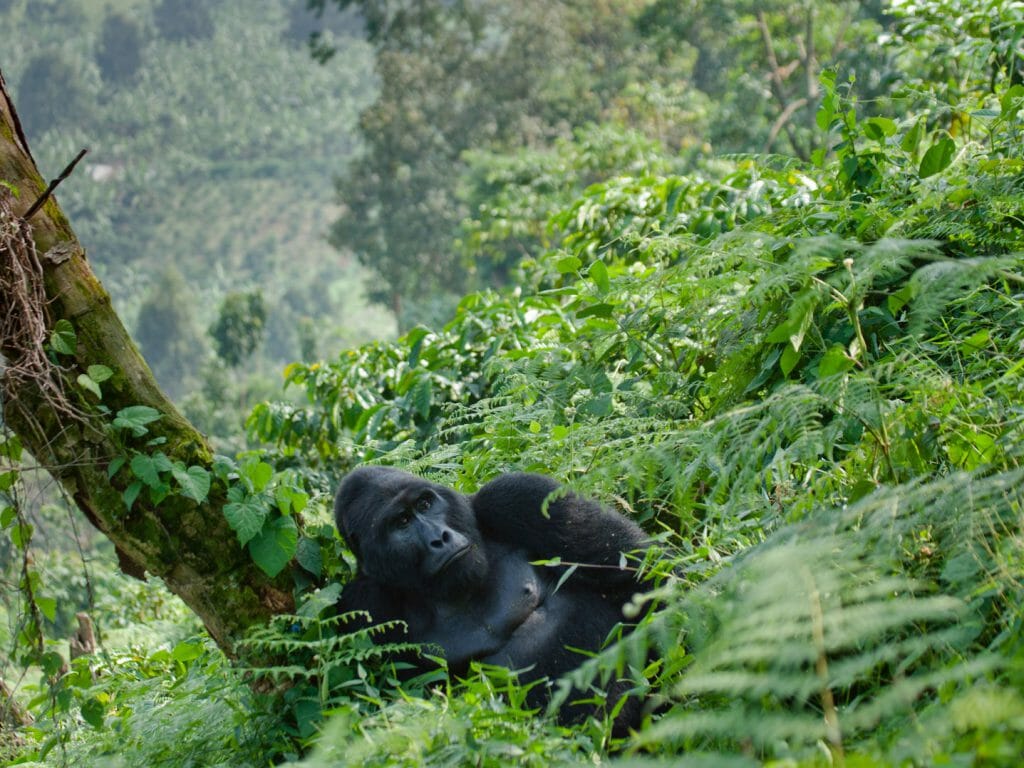
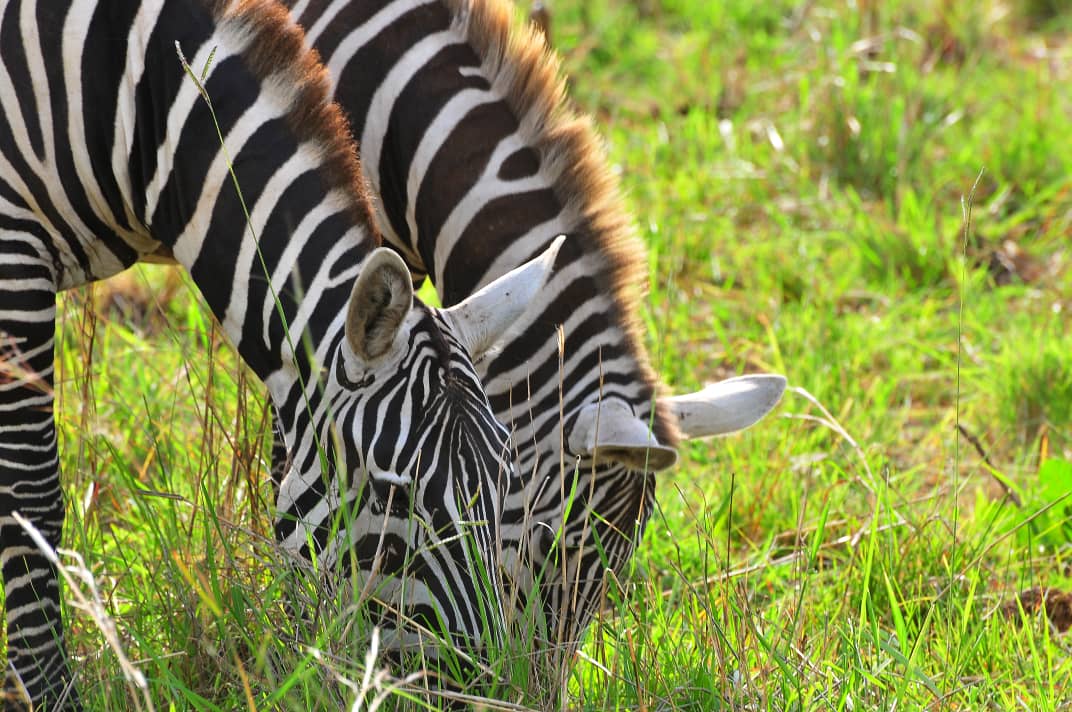
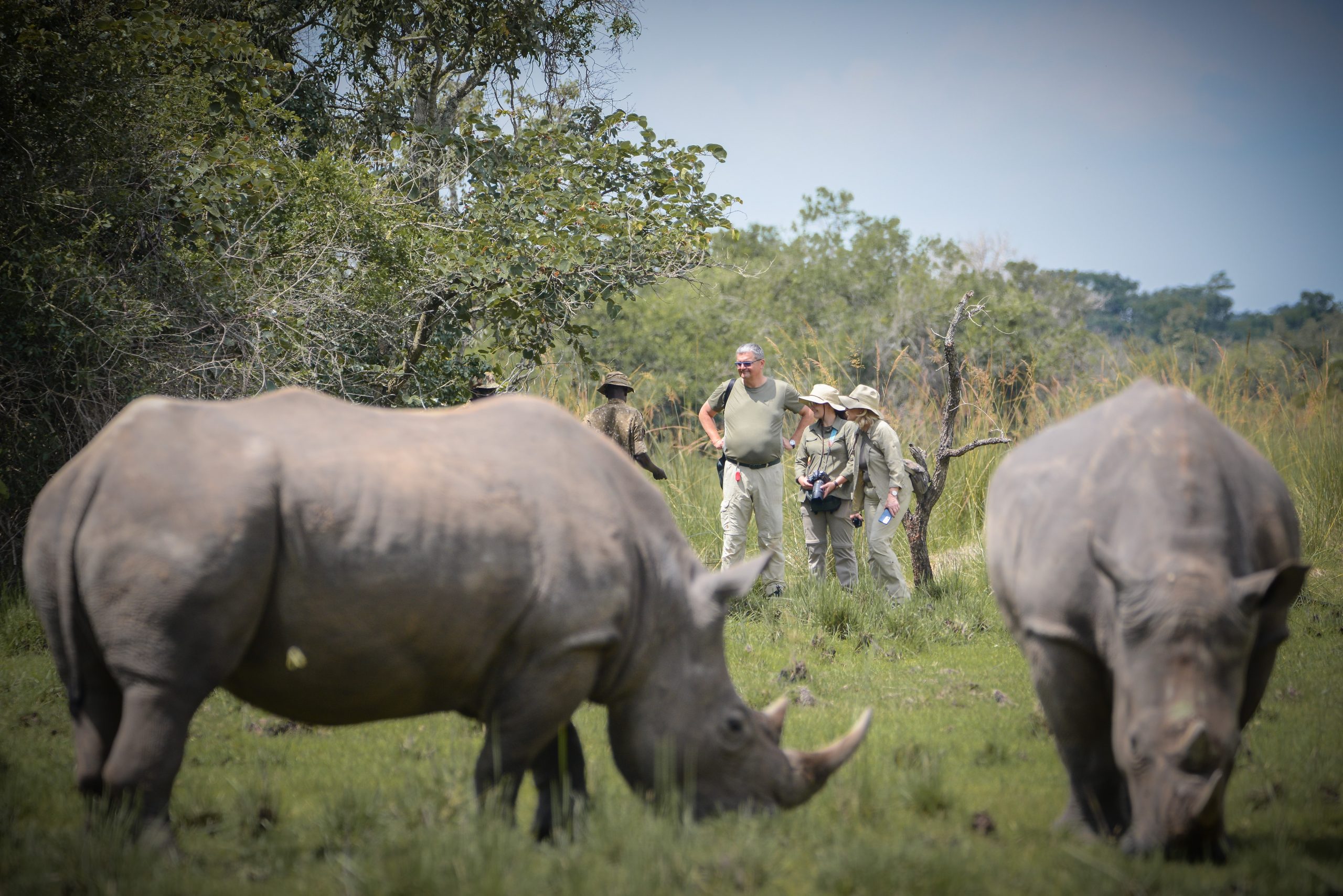
Common wildlife: bushbucks, waterbucks, warthogs, small antelopes
Predators: leopards, civets
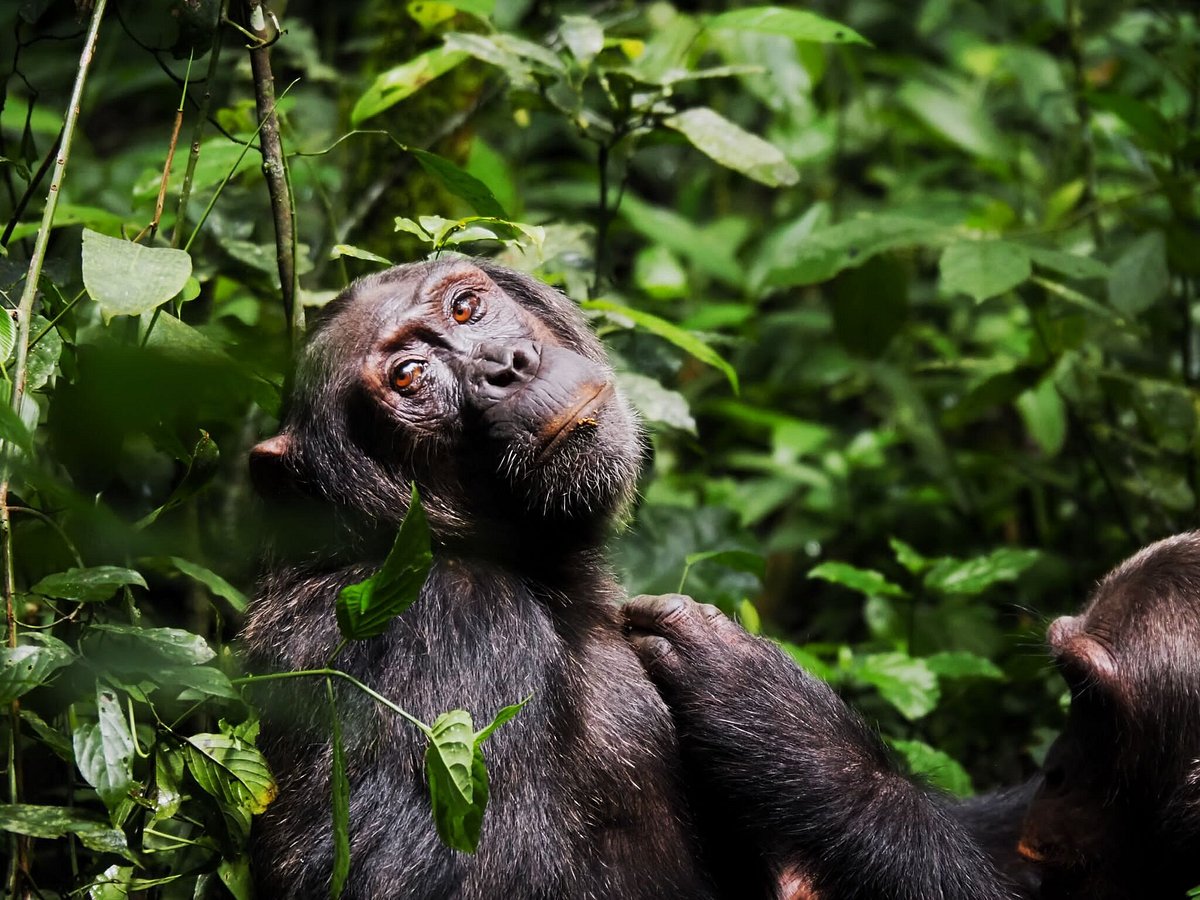
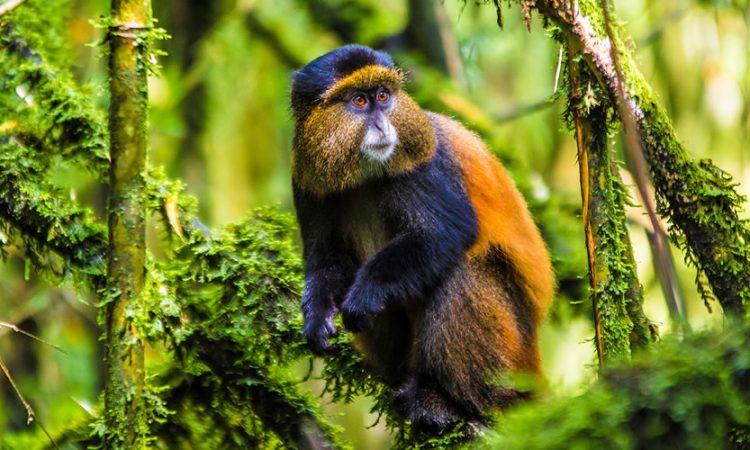
Primates: olive baboons, vervet monkeys
Birdlife: kingfishers, fish eagles, herons, bee-eaters, hornbills
Sightings vary by season, habitat, guide quality, time of day, and visitor patience. Early starts, slower driving or walking, and a guide who understands local behavior usually produce a stronger day than rushing between points.
Karuma can be visited year-round. Dry months are easier for road travel, while wet months can bring greener views and stronger bird activity.
Dry months usually make transfers and walking trails easier, while greener months can bring richer landscapes, fewer vehicles in some areas, active birdlife, and softer light for photography. The right choice depends on whether the trip is built around trekking, game viewing, birding, photography, culture, or relaxation.
Access should be planned together with lodge location and the next destination on the route. Uganda distances can look short on a map, but road surfaces, ferry schedules, park gates, weather, and activity start times all affect the final itinerary.
Open Karuma Wildlife Reserve on Google Maps
We recommend a short stop to 1 day for Karuma, usually as part of a Murchison Falls or northern Uganda route.
A practical stop between Kampala, Murchison Falls, Gulu, Kidepo and northern Uganda routes.
A stronger itinerary gives each destination a clear purpose. For example, a route might use one stop for primates, another for savannah wildlife, another for mountains or water, and another for rest or culture. This avoids repetition and helps travelers feel the variety of Uganda rather than simply moving from lodge to lodge.
Fees, permits, activity availability, and conservation rules can change, so they should be confirmed during trip planning. Permit-based experiences should be secured before final accommodation choices are locked in.
Yes. Safari visits are guided by professional driver-guides and managed around park authority rules, lodge safety procedures, and current route conditions.
Most wildlife parks work well with 2 to 3 days. Gorilla and remote wilderness destinations may need 3 or more days because of permit timing and longer transfer routes.
Yes. Uganda safari routes are usually built as circuits, so this destination can be combined with nearby parks, primate forests, cultural stops, and lake stays.
Yes. Park entrance fees, activity permits, conservation fees, and ranger-guided activity fees may apply and can vary by nationality, age, and selected experience.
Contact Tvent Rwenzori Safaris to add Karuma Wildlife Reserve to a practical Uganda safari itinerary with the right route, accommodation level, activity timing, and guide support.

Nothing Match your search terms. Please try again with some different keywords.