Walking safaris let travelers experience Uganda at ground level. Instead of viewing everything from a vehicle, guests move slowly with a guide, reading tracks, plants, insects, birds and animal behavior. The activity is different from forest walks because many walking safaris happen in open savannah or mixed woodland.
Lake Mburo is the best-known park for guided walking safari experiences, while Ziwa, Bigodi, lodge trails and selected reserve areas add other styles of guided nature walking.
Walking safaris are about pace, detail and guide interpretation rather than covering long distance.
Best Places for Walking Safaris
Lake Mburo National Park
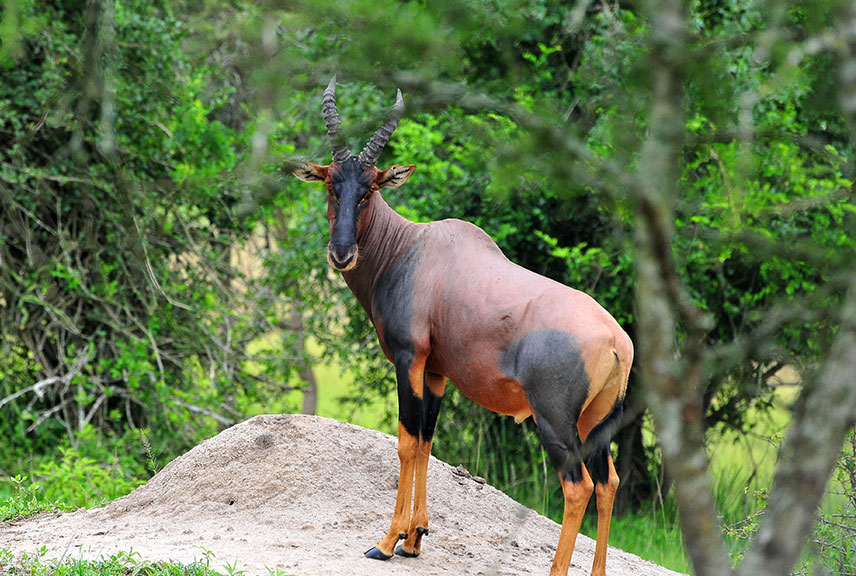
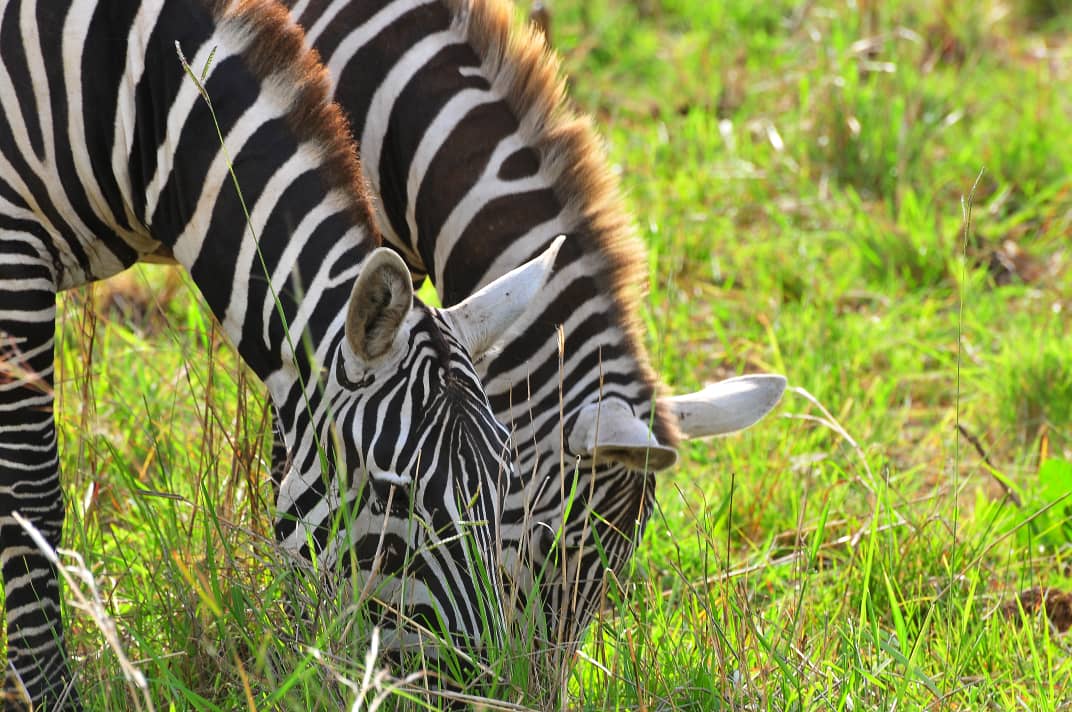
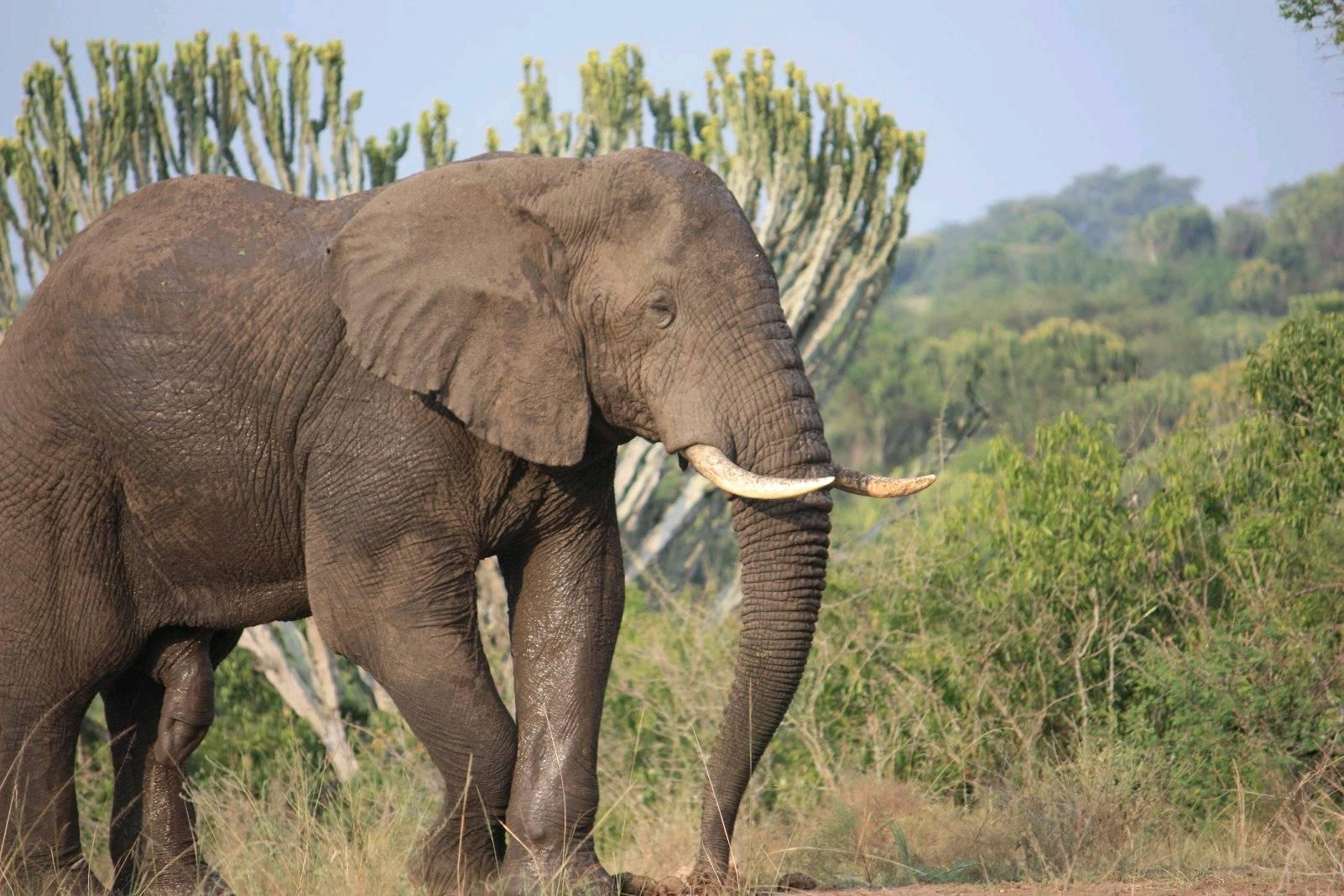
Strong for walking among zebras, impalas, elands, birds and open savannah scenery.
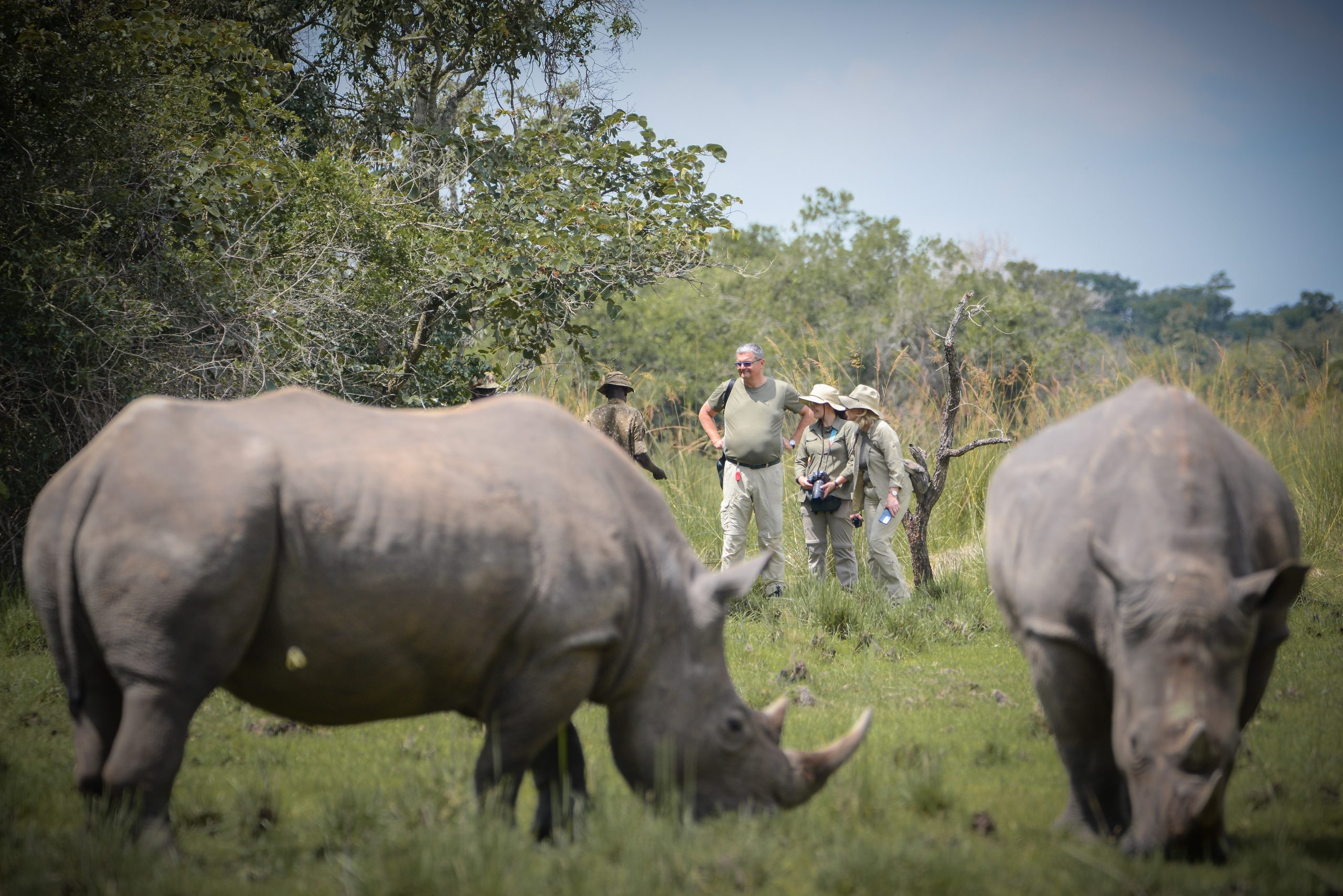
Ziwa Rhino Sanctuary
Guided rhino tracking is also a walking wildlife experience with strong conservation interpretation.
Bigodi Wetland
A community-guided walk focused on birds, primates, swamp habitat and local guiding.
Lodge Nature Trails
Good for soft walks, plants, birds and family-friendly pacing around safari lodges.
Pian Upe and Eastern Reserves
Useful for adventurous travelers when walking is available with proper guiding and safety.
Forest-edge Routes
Combine walking with birding, community stories and scenic habitat around Kibale, Bwindi or Lake Bunyonyi.
How a Walking Safari Works
Briefing
Guides explain safety, distance, silence and how to move as a group.
Slow tracking
The focus is on signs, tracks, droppings, plants, birds and animal behavior.
Wildlife distance
You do not approach large animals casually. The guide controls spacing and route choice.
Flexible pace
Walks can be gentle or more active depending on fitness, weather and habitat.
Who Should Choose It?
Choose a walking safari if you want a slower and more sensory activity than a game drive. It is excellent for photographers, birders, families with older children, and travelers who enjoy learning how guides interpret signs on the ground.
Lake Mburo is one of Uganda's strongest areas for combining walking, cycling, game drives and boat safaris.
What to Bring
Closed shoes
Comfortable closed shoes are important for grass, thorns and uneven ground.
Neutral clothing
Avoid bright colors and noisy fabrics.
Water and hat
Open habitats can be hot, especially after mid-morning.
Binoculars
Useful for birds, distant wildlife and scanning open country.
Official Tour Packages for Walking Safaris
These official tour packages can include walking or nature-walk add-ons.