
Uganda is one of Africa’s strongest primate destinations because travelers can combine mountain gorillas, chimpanzees, golden monkeys, colobus monkeys, mangabeys, and forest birding in one country. Primate trips require more planning than ordinary sightseeing because permits, trekking sectors, fitness, weather, and lodge location can shape the whole itinerary.
Planning flow
Primate safari planning sequence
Permits and trekking sectors should shape the trip before lodge choices.
Confirm permits
Match lodge sector
Add rest day
Iconic
Active forest
Highland add-on
Scenic option
This pillar guide is written for travelers comparing Uganda safari routes, not just collecting names of places. Each section explains where the experience fits, what makes it different, which animals or cultural encounters matter most, and why a traveler should choose it over another stop. Uganda is compact enough to combine forests, savannah, mountains, lakes, and communities in one trip, but it is varied enough that every day should have a clear purpose.
Use this guide as a planning foundation. The right route depends on season, permits, budget, fitness, photography goals, and whether the trip is built for first-time safari travelers, repeat Africa travelers, families, birders, hikers, or honeymooners. Tvent Rwenzori Safaris can turn these notes into a practical day-by-day itinerary with lodge levels, transfer times, activity timing, and realistic pacing.
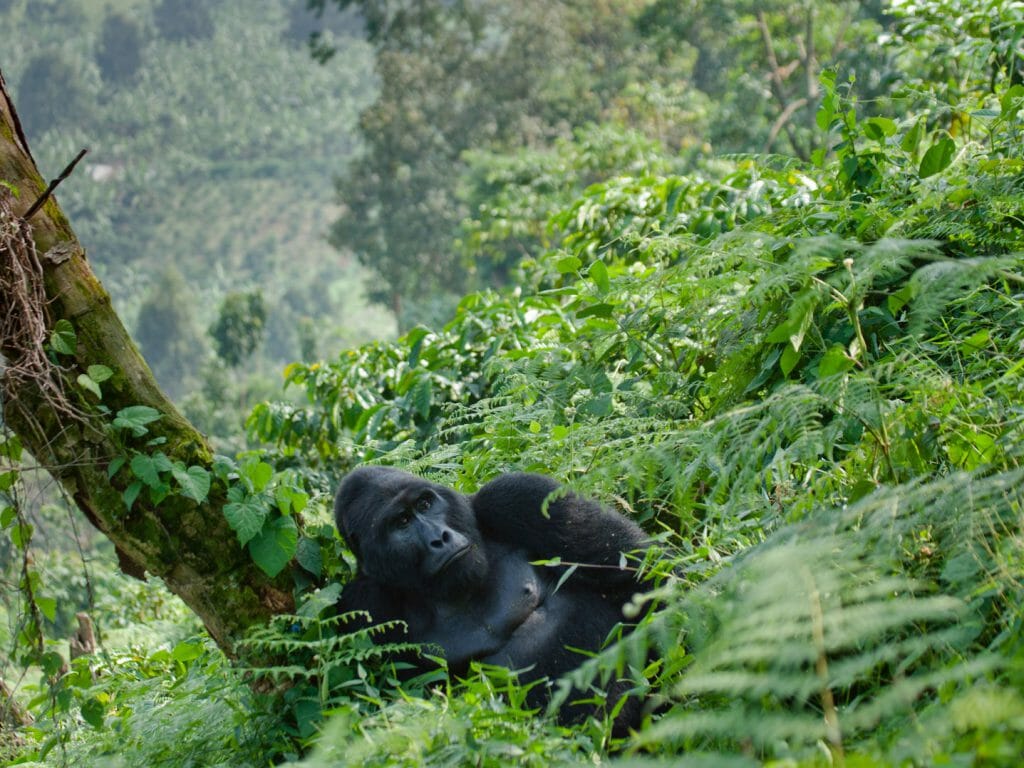
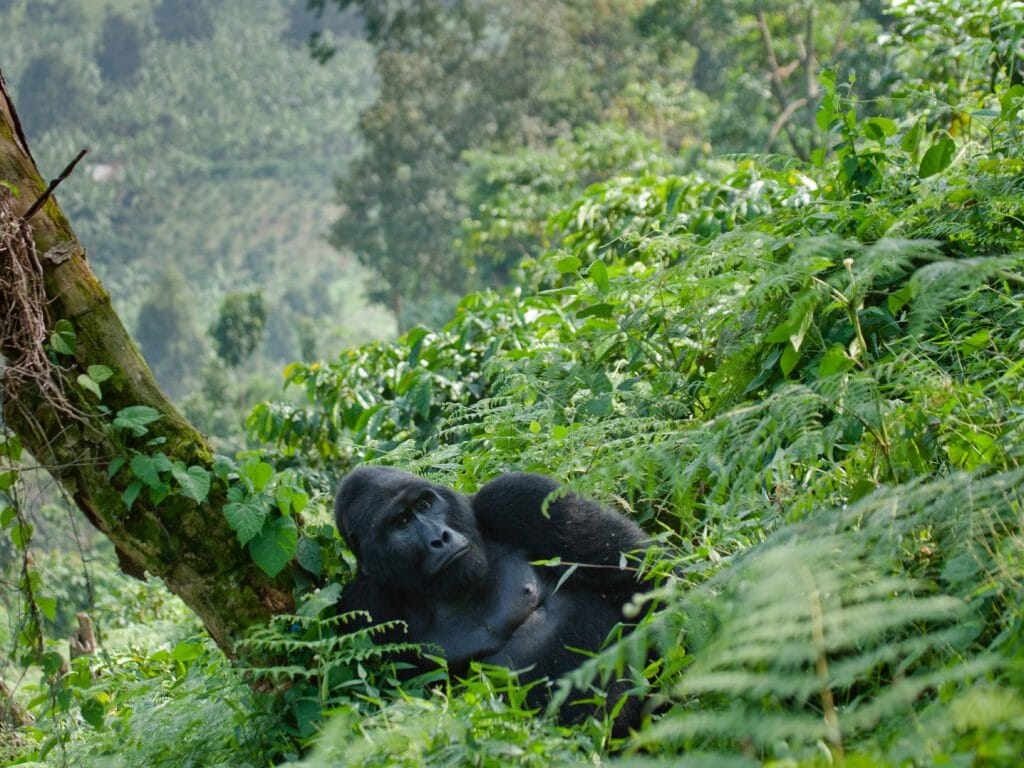
Gorilla trekking in Bwindi
Location: Buhoma, Ruhija, Rushaga, and Nkuringo sectors in southwestern Uganda.
What makes it unique: Bwindi offers multiple trekking sectors and a dense rainforest setting, making it Uganda’s most flexible gorilla trekking base.
Wildlife and highlights: Mountain gorillas are the focus, with forest birds, monkeys, butterflies, and occasional forest mammals adding depth.
Why visit: Visit for the strongest gorilla trekking choice and for routes that connect well with Queen Elizabeth and Lake Bunyonyi.
Planning notes: Book permits early, match the lodge to the sector, and prepare for variable trek length and wet forest trails.
For itinerary design, treat Gorilla trekking in Bwindi as part of a wider route rather than an isolated stop. The best safari plans balance driving time, lodge location, activity permits, and the time of day when wildlife is most active. A rushed visit can still show scenery, but a better visit allows early starts, slower photography time, and space for weather or road changes. Travelers should also consider how this stop connects to the next park, because Uganda rewards circuit planning more than point-to-point travel.
When comparing Gorilla trekking in Bwindi with other stops, focus on the quality of the day rather than the number of activities. A traveler may remember a quiet hour watching light move across the landscape more clearly than a crowded checklist. The strongest visits usually include a knowledgeable local guide, realistic start times, and a plan that leaves room for wildlife behavior, community interaction, weather, and road conditions. This is especially important in Uganda because forest, savannah, lake, mountain, and cultural days all move at different rhythms.
Gorilla and golden monkey tracking in Mgahinga
Location: Virunga slopes near Kisoro.
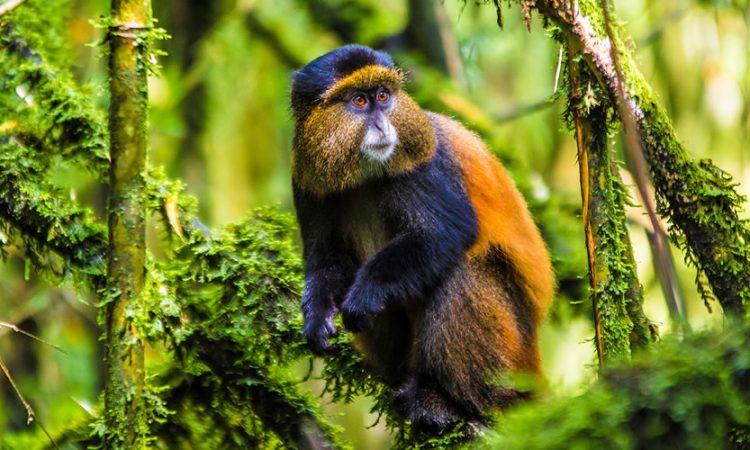
What makes it unique: Mgahinga combines volcanic scenery, gorillas, golden monkeys, and Batwa cultural context in a compact highland park.
Wildlife and highlights: Mountain gorillas, golden monkeys, forest birds, and montane species.
Why visit: Visit for a less conventional primate route with strong scenery and a sense of altitude.
Planning notes: Great for travelers who want to combine primates with Lake Bunyonyi or a Rwanda-style highland route.
For itinerary design, treat Gorilla and golden monkey tracking in Mgahinga as part of a wider route rather than an isolated stop. The best safari plans balance driving time, lodge location, activity permits, and the time of day when wildlife is most active. A rushed visit can still show scenery, but a better visit allows early starts, slower photography time, and space for weather or road changes. Travelers should also consider how this stop connects to the next park, because Uganda rewards circuit planning more than point-to-point travel.
When comparing Gorilla and golden monkey tracking in Mgahinga with other stops, focus on the quality of the day rather than the number of activities. A traveler may remember a quiet hour watching light move across the landscape more clearly than a crowded checklist. The strongest visits usually include a knowledgeable local guide, realistic start times, and a plan that leaves room for wildlife behavior, community interaction, weather, and road conditions. This is especially important in Uganda because forest, savannah, lake, mountain, and cultural days all move at different rhythms.
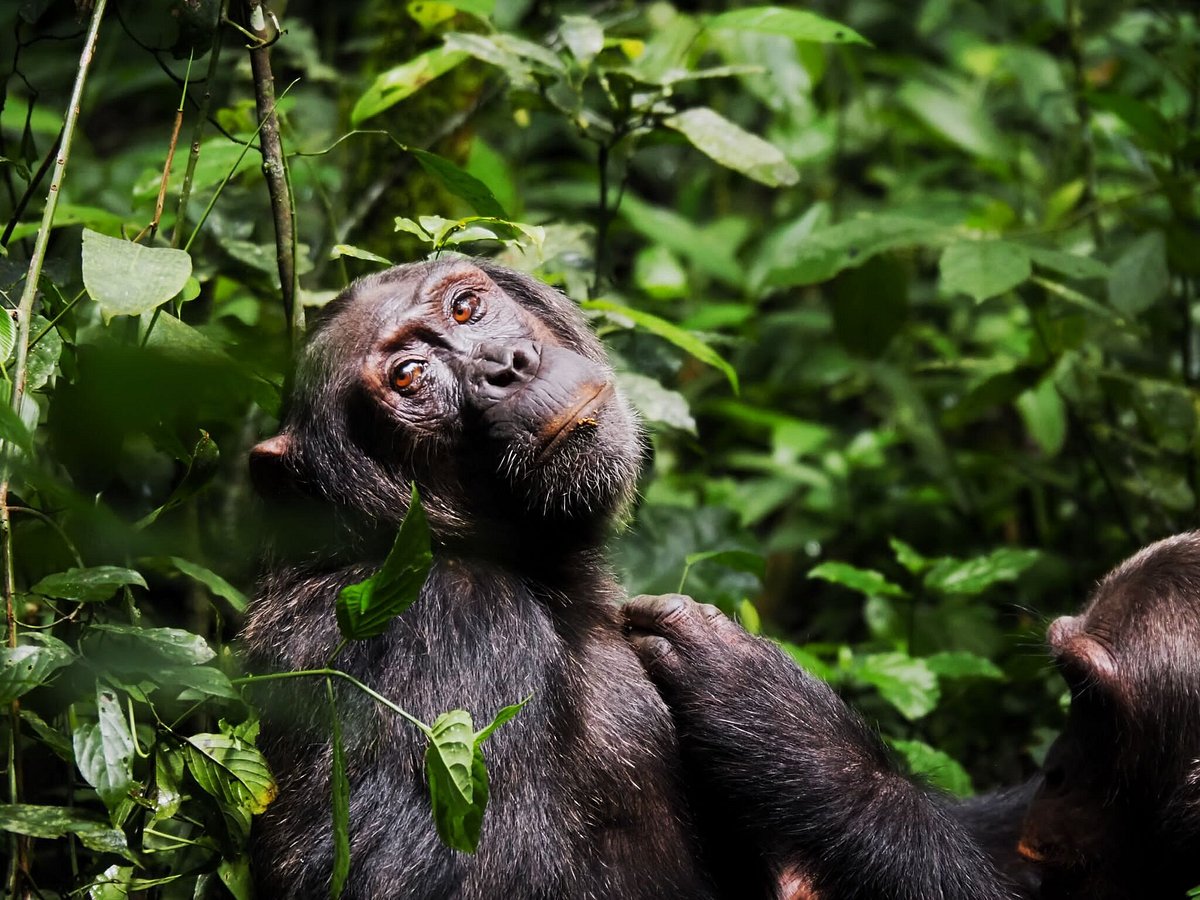
Chimpanzee tracking in Kibale
Location: Kanyanchu area of Kibale National Park near Fort Portal.
What makes it unique: Kibale is Uganda’s best-known chimpanzee tracking destination and a strong place to experience primate behavior in forest.
Wildlife and highlights: Chimpanzees, colobus monkeys, mangabeys, red-tailed monkeys, butterflies, and forest birds.
Why visit: Visit because chimpanzees are vocal, social, and active in a way that contrasts beautifully with gorilla trekking.
Planning notes: Use official tracking sessions and add Bigodi Wetland for a full primate and community day.
For itinerary design, treat Chimpanzee tracking in Kibale as part of a wider route rather than an isolated stop. The best safari plans balance driving time, lodge location, activity permits, and the time of day when wildlife is most active. A rushed visit can still show scenery, but a better visit allows early starts, slower photography time, and space for weather or road changes. Travelers should also consider how this stop connects to the next park, because Uganda rewards circuit planning more than point-to-point travel.
When comparing Chimpanzee tracking in Kibale with other stops, focus on the quality of the day rather than the number of activities. A traveler may remember a quiet hour watching light move across the landscape more clearly than a crowded checklist. The strongest visits usually include a knowledgeable local guide, realistic start times, and a plan that leaves room for wildlife behavior, community interaction, weather, and road conditions. This is especially important in Uganda because forest, savannah, lake, mountain, and cultural days all move at different rhythms.
Kyambura Gorge chimpanzees
Location: Queen Elizabeth National Park, western Uganda.
What makes it unique: Kyambura is a dramatic forested gorge inside a broader savannah and crater landscape.
Wildlife and highlights: Chimpanzees, monkeys, forest birds, hippos nearby, and Queen Elizabeth wildlife in surrounding areas.
Why visit: Visit when you want chimpanzee tracking as part of a Queen Elizabeth itinerary rather than a separate Kibale stay.
Planning notes: Sightings can be less predictable than Kibale, so treat Kyambura as a scenic forest experience with chimp potential.
For itinerary design, treat Kyambura Gorge chimpanzees as part of a wider route rather than an isolated stop. The best safari plans balance driving time, lodge location, activity permits, and the time of day when wildlife is most active. A rushed visit can still show scenery, but a better visit allows early starts, slower photography time, and space for weather or road changes. Travelers should also consider how this stop connects to the next park, because Uganda rewards circuit planning more than point-to-point travel.
When comparing Kyambura Gorge chimpanzees with other stops, focus on the quality of the day rather than the number of activities. A traveler may remember a quiet hour watching light move across the landscape more clearly than a crowded checklist. The strongest visits usually include a knowledgeable local guide, realistic start times, and a plan that leaves room for wildlife behavior, community interaction, weather, and road conditions. This is especially important in Uganda because forest, savannah, lake, mountain, and cultural days all move at different rhythms.
Budongo Forest chimpanzees
Location: Near Murchison Falls National Park.
What makes it unique: Budongo adds a forest dimension to the Murchison route and is known for mahogany forest and chimp tracking possibilities.
Wildlife and highlights: Chimpanzees, forest birds, monkeys, butterflies, and forest ecology.
Why visit: Visit when building a northern route that should include both Nile wildlife and primates.
Planning notes: Add it before or after Murchison game drives, depending on lodge location and tracking availability.
For itinerary design, treat Budongo Forest chimpanzees as part of a wider route rather than an isolated stop. The best safari plans balance driving time, lodge location, activity permits, and the time of day when wildlife is most active. A rushed visit can still show scenery, but a better visit allows early starts, slower photography time, and space for weather or road changes. Travelers should also consider how this stop connects to the next park, because Uganda rewards circuit planning more than point-to-point travel.
When comparing Budongo Forest chimpanzees with other stops, focus on the quality of the day rather than the number of activities. A traveler may remember a quiet hour watching light move across the landscape more clearly than a crowded checklist. The strongest visits usually include a knowledgeable local guide, realistic start times, and a plan that leaves room for wildlife behavior, community interaction, weather, and road conditions. This is especially important in Uganda because forest, savannah, lake, mountain, and cultural days all move at different rhythms.
Budget, comfort, and trip style
Every Uganda trip can be built in several styles. A budget route usually uses practical lodges, longer road transfers, and carefully selected paid activities. A midrange route improves comfort while still keeping the focus on parks, guides, and permits. A luxury route may use fly-in sectors, smaller lodges, private vehicles, and slower pacing. The important point is that budget should protect the core experience first. A cheaper lodge in the wrong location can cost more in lost time than it saves in money, while an expensive lodge does not fix a rushed itinerary.
Families need shorter drives, flexible meal times, and activities that do not depend entirely on long waits. Honeymooners often prefer fewer bases, better rooms, and scenic downtime. Birders need early starts and specialist guides. Photographers need patience, clean sightlines, and room for equipment. Hikers need recovery time and realistic difficulty notes. A good operator asks these questions before quoting, because the same destination can feel completely different depending on the traveler.
What to ask before confirming
Before confirming any safari, ask which park gates are being used, how long the real transfers are, where the lodge sits in relation to briefing points, whether permits are included, what happens if weather changes the day, and how many activities are packed into each morning. Ask whether the guide has experience with the main purpose of the trip. A birding guide, family guide, photography guide, and mountain guide do not all work the same way.
Also ask what is not included. Park fees, community fees, porter tips, optional boat cruises, domestic flights, laundry, drinks, and special permits can change the final cost. Clear answers early prevent friction later. For travelers comparing several quotes, the cheapest itinerary is not always the best value; value comes from correct routing, transparent inclusions, reliable vehicles, responsive planning, and enough time in the places that matter.
Responsible travel notes
Responsible travel in Uganda is practical. Stay on official routes, follow ranger instructions, keep distance from wildlife, avoid pressuring guides for unsafe sightings, and use community experiences that are locally led. For primates, health rules protect both travelers and animals. For cultural visits, consent and context matter. For parks, fees help conservation and surrounding communities when systems are working well. The traveler’s role is to choose experiences that respect people, wildlife, and place.
The most rewarding trips usually feel personal rather than extractive. They give enough time for a guide to explain why a landscape matters, why a community visit is arranged a certain way, and why conservation rules exist. That is the difference between passing through Uganda and actually learning from it.
Sample ways to use this guide
A seven-day version should be selective. It might focus on Entebbe, Kibale, Queen Elizabeth, and Bwindi, or it might choose Murchison and Kibale instead of trying to cover the entire country. A ten-day version can add more breathing room and reduce the pressure of long transfer days. A twelve- to sixteen-day version can become a true Uganda circuit, with time for Murchison Falls, Kibale, Queen Elizabeth, Ishasha, Bwindi, Lake Bunyonyi, Lake Mburo, and cultural stops. The longer version is not only about seeing more places; it is about making each place less rushed.
For a traveler who wants comfort, the route should protect two-night stays where possible. One-night stops are useful on transfers, but too many of them make the safari feel like packing and unpacking. For a traveler who wants depth, three nights in the right region can be better than adding another park. Around Fort Portal, for example, extra time can support chimpanzee tracking, Bigodi Wetland, crater lakes, food stops, and slower photography. Around Bwindi or Mgahinga, extra time can support gorilla trekking, community visits, Lake Bunyonyi, golden monkeys, or simple recovery after a demanding hike.
Travelers should also think about arrival and departure energy. Many international flights arrive late or leave at awkward hours. Building a soft first night near Entebbe can prevent the first safari day from feeling exhausted. A calm final night can also help with packing, testing documents, and avoiding missed flights after long road transfers. These details sound small, but they often decide whether the trip feels smooth.
The final planning test is simple: every day should have a reason. If a day exists only because the map looked convenient, improve it. If a day has three major activities and a long transfer, simplify it. If the main reason for the trip is gorillas, protect the gorilla days. If the main reason is photography, protect light and waiting time. If the main reason is culture, protect conversation and context. A safari becomes stronger when every day knows its job.
Good preparation also improves the experience before arrival. Travelers should share dietary needs, mobility limits, photography interests, room preferences, and any health concerns early. They should confirm passport validity, insurance, vaccination advice, payment schedules, luggage limits for domestic flights, and emergency contacts. For longer trips, laundry access and rest time matter more than most people expect. For forest treks, worn-in footwear is better than brand-new boots. For savannah drives, layered clothing helps with cool mornings and warm afternoons. For cultural visits, a small amount of reading before arrival makes conversation easier and more respectful.
Finally, keep the itinerary human. A safari is not only transport, parks, and accommodation. It is also meals after dusty drives, jokes with guides, weather changes, missed sightings, surprise sightings, and quiet evenings at lodges. The plan should be strong enough to hold together and flexible enough to let Uganda happen. That is why the best final itinerary is not the one with the most lines on the page. It is the one where every transfer, guide, lodge, activity, and rest stop supports the reason the traveler came to Uganda in the first place, with enough margin for comfort, curiosity, genuine discovery, and stories worth remembering after the journey ends back home safely.
How to choose the right route
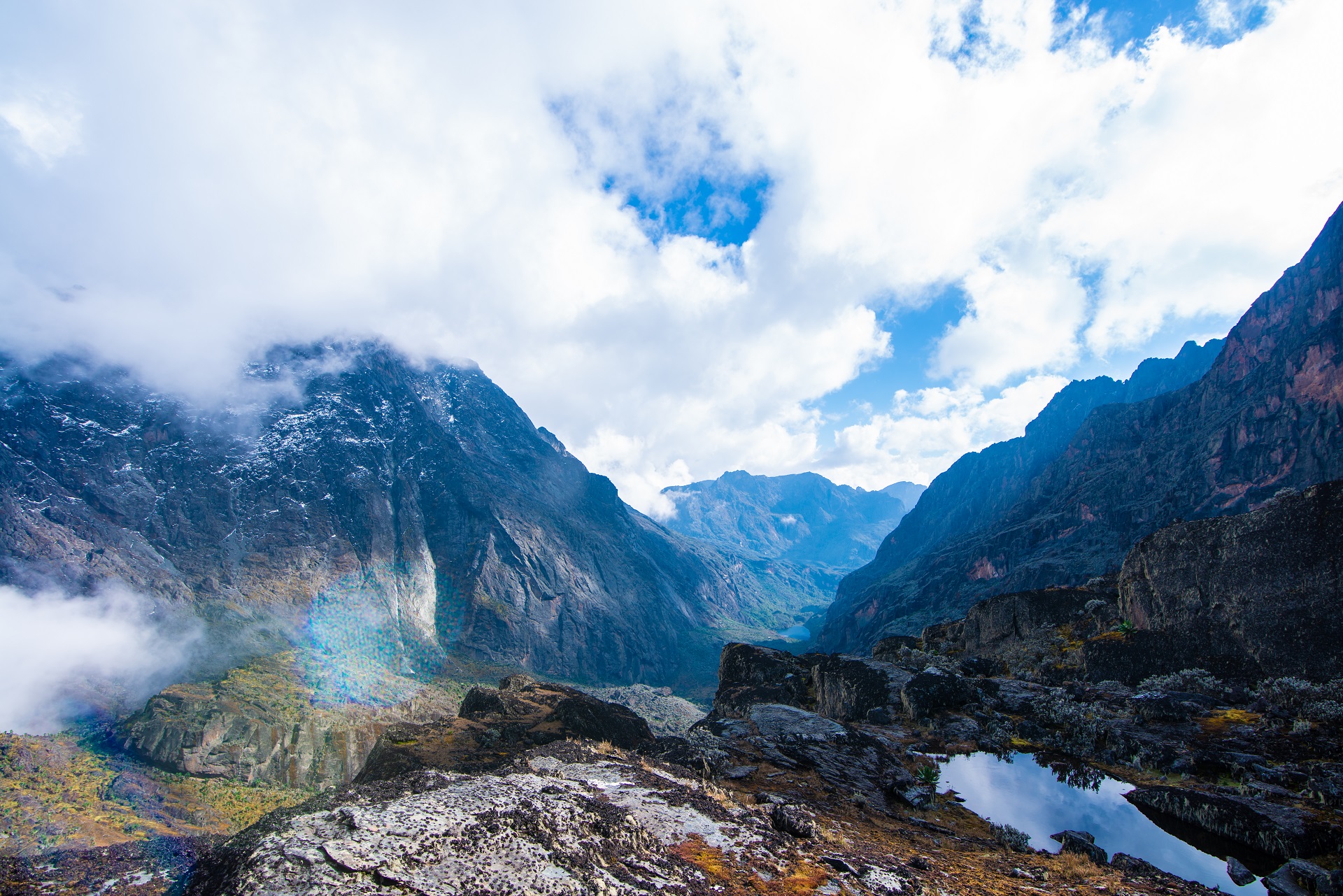
A strong Uganda itinerary starts by choosing the main reason for travel. If the goal is iconic wildlife, prioritize Murchison Falls, Queen Elizabeth, Kidepo Valley, and Lake Mburo. If the goal is primates, anchor the trip around Bwindi, Mgahinga, and Kibale. If scenery and hiking matter most, add Rwenzori, Mount Elgon, crater lakes, Sipi Falls, or Lake Bunyonyi. If culture matters, build time around communities instead of squeezing them into short roadside stops.
Travelers should also avoid judging parks only by famous animals. A lion sighting is memorable, but route quality comes from the whole day: sunrise over savannah, a boat channel full of hippos, a forest walk with turacos calling overhead, a lodge with a good view, and a guide who knows when to wait quietly. The best safaris are not assembled from a checklist; they are paced around moments.
Best time, pacing, and season notes
Uganda can be visited throughout the year, but the best month depends on the activity. Drier months often make forest trails easier and improve road conditions in savannah parks. Green months can bring dramatic landscapes, fewer travelers, clearer birding interest, and softer photography light. Gorilla and chimpanzee tracking continue across seasons, but footwear, rain protection, and patience matter more in wetter periods. Boat safaris and wetlands can be excellent at different times of year because water levels, nesting behavior, and animal movement change the rhythm of the day.
Pacing is the part of safari planning that travelers underestimate most. A map can make two parks look close, but road conditions, park gates, ferry schedules, briefing times, and lodge locations can change the real experience. A good itinerary protects the important hours: early morning for game drives, official briefing time for primates, afternoon light for photography, and enough daylight for arrivals. It also avoids placing a demanding trek immediately after a late transfer unless the traveler specifically wants a harder expedition style.
Accommodation and guide strategy
Lodge choice should follow the route, not the other way around. In gorilla country, the correct sector matters more than a famous lodge name far from the briefing point. In savannah parks, a lodge inside or near the right gate can save early-morning time. In cultural regions, locally connected accommodation can improve access to community guides. In mountain areas, simple but well-positioned bases may be better than stylish properties that add driving. The guide strategy is equally important: specialist birding, primate, photography, family, and hiking trips all benefit from different guiding strengths.
For Tvent Rwenzori Safaris, the practical goal is to make the route feel smooth on the ground. That means confirming permits, checking road logic, matching vehicle type to terrain, preparing travelers for activity difficulty, and keeping communication clear. A good safari should not feel improvised once the guest arrives, even though the best wildlife moments are naturally unpredictable.
A strong primate itinerary is built around official permit timing and realistic walking days. Do not place the hardest forest treks after very long transfers, and do not assume every traveler will move at the same pace. The best route lets the forest feel unhurried: one day for gorillas, one for chimpanzees, and enough space to appreciate the communities and landscapes around them.
Sources used for factual orientation: Uganda Wildlife Authority national parks and activity guidance, Uganda Wildlife Authority gorilla and chimpanzee tracking guidelines, and Kabale District Local Government Batwa cultural information.